

More news on this day
United Airlines is accelerating its push into restaurant-style dining in the sky, rolling out a wave of premium food and beverage upgrades that it hopes will redefine what it means to eat at 30,000 feet.
Get the latest news straight to your inbox!
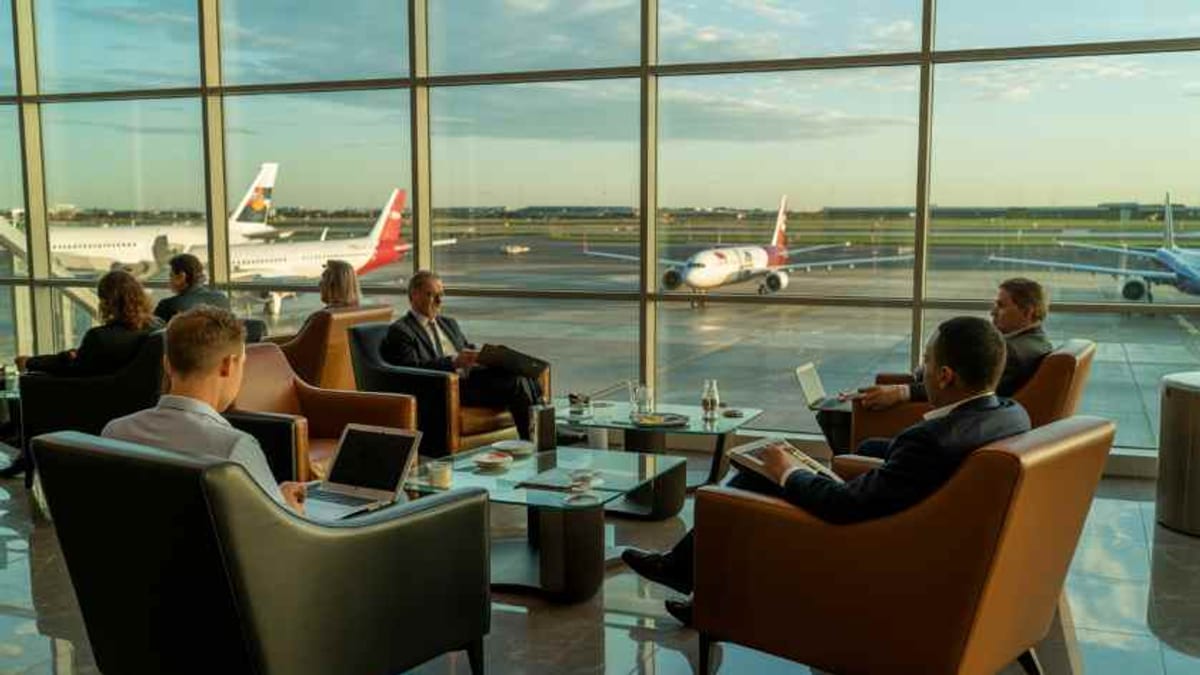
Image by Travel and Tour World – Tourism, Airline, Destination, MICE, Gobal Travel Market, Hotel news that you will find only over here.
From Airplane Meal to Multi-Course Experience
United’s newest wave of enhancements centers on its long-haul Polaris business class, where the traditional “one tray and done” model is giving way to a more structured, multi-course experience. Publicly available schedules and product descriptions indicate that course-style primary meal service, previously limited to the longest international sectors, is being expanded across the Polaris network so more passengers see their meals served in distinct stages rather than all at once.
Reports from industry trackers describe an elevated approach that starts with a separate appetizer course, followed by a plated main and upgraded desserts, echoing a fine-dining progression more commonly associated with upscale restaurants than airline cabins. The goal is to slow the pace of service enough for passengers to enjoy each component while still fitting within crew timelines on overnight flights.
Alongside the coursed service, Polaris customers are being offered more flexible “dine and rest” style options that prioritize speed for travelers who want to sleep shortly after takeoff. This dual-track approach is intended to appeal both to passengers seeking a full culinary experience and to business travelers who simply want a quality meal without sacrificing rest.
United is also investing more in the look and feel of its meal presentation. Recent descriptions of the product highlight upgraded tableware, refreshed roll-up bands for cutlery and refined plating designed to look more like a restaurant than a reheated tray, all part of a push to make premium-cabin dining a central selling point rather than an afterthought.
Polaris Studio Suites and an “Elevated” Interior
The in-flight dining upgrades are closely linked to United’s new Polaris Studio suites, which debut on its Boeing 787-9 Dreamliners as part of a broader “Elevated” interior concept. According to airline briefings and product announcements, these suites are roughly a quarter larger than the current Polaris seat, adding privacy doors, expanded counter space and larger 4K screens, all of which give crews more room to stage and serve elaborate meals.
The Elevated interior is positioned as a step change for United’s international product, pairing the new suites with a more ambitious culinary offering that includes items typically associated with high-end restaurants. Publicly available material on the program points to elements such as an Ossetra caviar amuse-bouche in the most premium cabins and a wider range of chef-inspired dishes that rotate by route and season.
Industry reports suggest the first aircraft with the full Elevated package are scheduled to enter service from late 2025, with additional 787-9 deliveries and retrofits continuing through 2027. As these jets join the fleet, more of United’s long-haul network will be able to support the full version of the upgraded dining program, turning individual test routes into a core part of its offering.
United is also pairing the new hardware with enhanced soft-product touches, including expanded wine and cocktail lists and more tailored service pacing. Together, these changes aim to position Polaris as a competitor to the flagship business-class cabins of leading Asian and European carriers, many of which have long marketed their own in-flight dining as a differentiator.
Ground Game: Lounge Dining Becomes Part of the Story
United’s effort to market fine dining at altitude is not limited to the aircraft cabin. The airline has invested heavily in its Polaris lounges, most notably at Newark Liberty International Airport, where it has added a large dining room and expanded the overall lounge footprint to roughly 30,000 square feet. Coverage of the expansion describes a significantly enlarged waiter-service restaurant area, bringing plated, made-to-order meals into the pre-flight experience.
Reports from aviation and travel outlets indicate that the Newark Polaris lounge now offers an extensive all-day à la carte menu, alongside a more traditional buffet, allowing passengers to treat the lounge as a pre-flight restaurant as much as a waiting area. This supports a strategy where premium travelers can dine on the ground at their own pace, then opt for lighter service or a quicker meal once onboard.
Similar upgrades have rolled out or are planned at other major United hubs, including a larger Polaris space in Chicago and refinements in existing Polaris lounges. Together, the lounge and onboard enhancements are intended to create a continuous premium dining narrative from curb to cabin, especially on international itineraries where United competes directly for high-yield corporate and leisure traffic.
For travelers, the growing emphasis on lounge dining offers both convenience and choice. Those facing late departures or tight connections can secure a full meal before boarding, while others may choose to sample signature dishes in the lounge and then explore different options in the air, effectively turning a long journey into a multi-stage tasting experience.
Economy and Premium Economy: Quiet Upgrades to the Back of the Plane
While the most visible changes sit in Polaris, United is also reshaping how dining works in economy and premium economy cabins. According to recent coverage of company initiatives, the airline has broadened its pre-order program so that more economy passengers can reserve specific meals or buy-up options before departure, rather than relying solely on what is left on the trolley.
Industry observers note that this shift toward pre-ordering is framed as both a customer-experience and an efficiency play. By matching provisioning more closely to actual demand, the airline reports lower food waste and fewer stock-outs of popular items, which in turn can help control costs while still allowing for more variety on board.
On long-haul international routes, publicly available product descriptions point to upgrades such as fresh salads, higher-quality dressings, additional entrée choices and enhanced desserts. Some routes are scheduled to feature an appetizer course before the main meal, echoing the structure of Polaris but in a simplified format appropriate for economy cabins.
Premium economy, branded as United Premium Plus, is being positioned increasingly as a mini step toward the Polaris experience. Expanded meal choices, better tableware and enhanced beverage offerings are being highlighted in marketing materials as a way to set this cabin apart from standard economy, particularly on overnight flights where sleep and comfort matter.
Competitive Pressure and Passenger Expectations
United’s push into finer in-flight dining comes as global competitors continue to invest heavily in their own culinary offerings. Comparative reviews published in recent months regularly contrast Polaris meals with those on rival carriers in Asia and the Middle East, where multi-course menus, celebrity-chef partnerships and elaborate presentation have been standard for years.
Analysts observing United’s financial results point to a broader strategy in which the company allocates more spending to premium products, including a reported step-up in food and beverage investment as part of a multiyear plan to win and retain high-value customers. The airline’s own performance updates highlight improved satisfaction scores in premium cabins since these enhancements began rolling out.
Passenger reaction, however, remains mixed in some forums. While many travelers praise the return of touches such as a dedicated sundae cart in Polaris and the introduction of caviar and more sophisticated starters on select routes, others argue that consistency is still a challenge and that catering quality can vary by route and catering kitchen. The result is a competitive environment in which fine dining at altitude is both a marketing hook and a moving target.
What is clear is that United is no longer treating food as a simple onboard necessity. By tying upgraded menus to new suites, redesigned interiors and expanded lounge dining, the airline is betting that a more restaurant-like experience, from gate to cruising altitude, will help distinguish it in an increasingly crowded transatlantic and transpacific marketplace.