

More news on this day
United Airlines is introducing a new ultra-premium Airbus A321neo “Coastliner” subfleet designed specifically for high-demand U.S. transcontinental routes, marking a significant shift in how the carrier serves coast-to-coast business and leisure travelers.
Get the latest news straight to your inbox!
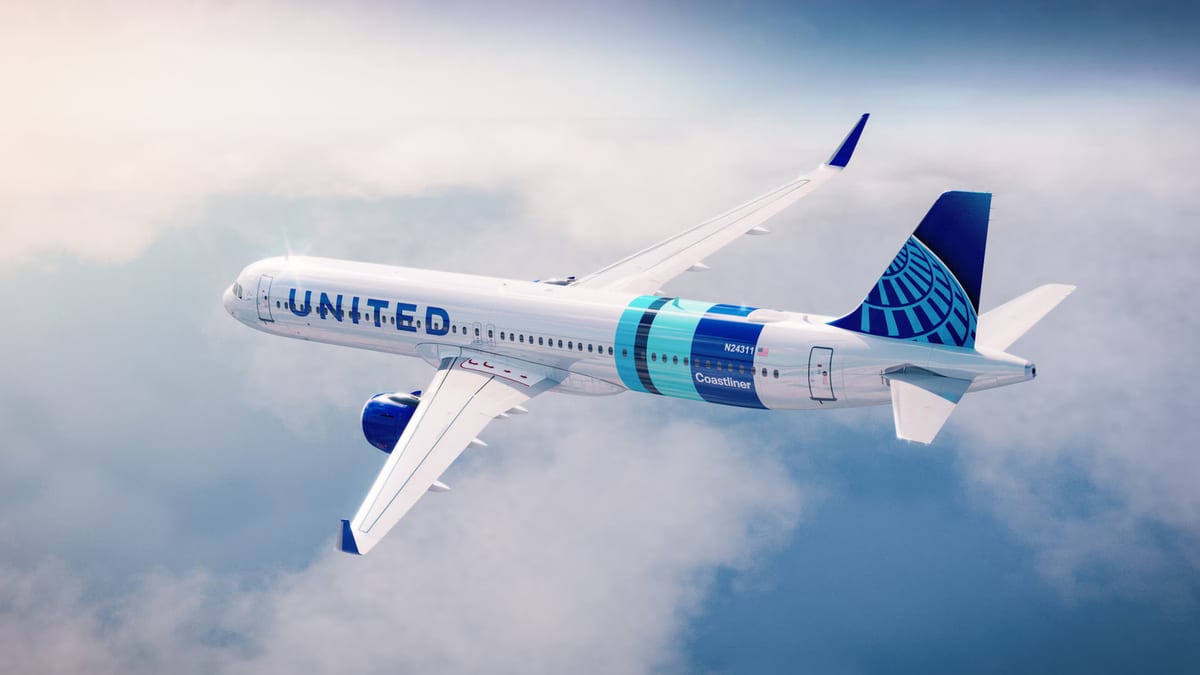
Image by Jalopnik
Widebody Comfort on a Narrowbody Jet
According to recently published fleet announcements, the Airbus A321neo Coastliner has been configured from nose to tail as a high-end transcontinental workhorse, intended to deliver a widebody-style experience on a single-aisle aircraft. The design centers on an all-new cabin that gives priority to premium seating and upgraded amenities while maintaining a full-size economy section.
The Coastliner layout features 20 lie-flat seats in United Polaris, the airline’s flagship long-haul business product adapted here for domestic premium routes. Publicly available specifications indicate that these suites are all-aisle-access and tailored for longer flights, with more shoulder and elbow space than earlier narrowbody lie-flat designs. Semi-translucent dividers are intended to balance privacy with a more open cabin feel.
Behind Polaris, the A321neo Coastliner introduces 12 United Premium Plus seats, bringing the airline’s premium economy product to a domestic narrowbody configuration in a structured way. Industry coverage notes this is positioned as a step up from standard extra-legroom options, offering additional pitch, enhanced recline and upgraded soft products relative to the main cabin.
The remainder of the aircraft is dedicated to 129 United Economy seats, including the airline’s Economy Plus extra-legroom section. Overall capacity is slightly lower than a standard high-density A321neo, reflecting United’s focus on creating more personal space and premium seating on these aircraft.
New Snack Bar and Elevated Economy Experience
One of the more distinctive elements of the Coastliner design is a self-serve snack bar at the rear of the aircraft. Company disclosures and trade coverage state that United removed three seats from a typical A321neo layout to make room for this area, which allows economy passengers to help themselves to select snacks and non-alcoholic drinks during the flight.
This feature is positioned as part of a broader strategy to upgrade the experience in all cabins on longer domestic sectors, not just at the front of the plane. The snack bar is expected to complement the airline’s existing buy-on-board and complimentary offerings, giving passengers more flexibility to grab refreshments during long stretches of cruise without waiting for a traditional trolley service.
Cabin interiors on the Coastliner are described in recent reporting as entirely new, with updated lighting, modern finishes and revised storage arrangements intended to support both the expanded premium section and full-capacity overhead bins. The goal, based on available design information, is to make the aircraft feel closer to a newer widebody in terms of ambiance, even though it retains a single-aisle footprint.
These touches come as United and its U.S. competitors are investing more heavily in so-called “high-yield” cabins, with analysts noting a trend toward higher proportions of premium seats across long-haul and key domestic routes. The Coastliner’s combination of lie-flat Polaris, true premium economy and enhanced economy amenities fits squarely within that shift.
Focus on High-Demand Transcontinental Routes
United has indicated through public materials that the Coastliner subfleet is earmarked for some of its busiest domestic transcontinental markets, particularly routes linking Newark or New York with the carrier’s West Coast hubs in San Francisco and Los Angeles. These corridors see heavy volumes of corporate and connecting traffic and are regarded as critical for the airline’s broader global network.
Reports on the rollout note that more than 10,000 passengers travel daily on average between United’s West Coast hubs and the New York area, many of them connecting onward to long-haul flights to Asia and the South Pacific. By placing an ultra-premium narrowbody on those routes, the airline is positioning the domestic leg as an extension of the international experience, especially for Polaris and Premium Plus customers.
The Coastliner A321neos are part of a larger narrowbody refresh that also includes the longer-range A321XLR, which is expected to take over some Boeing 757 missions to smaller European and South American cities. While the XLR is aimed primarily at transatlantic and near long-haul markets, the Coastliner is being framed as a domestic specialist for transcontinental and other long U.S. routes where a high share of premium demand justifies lie-flat seating.
Fleet plans reported in the financial press indicate that United expects to bring 40 A321neo Coastliners into service out of a broader A321neo order, with deliveries ramping up through the late 2020s. Combined with additional Boeing 787-9 Dreamliners and other new aircraft, the carrier is on track to substantially increase its supply of lie-flat seats in the coming years.
Competitive Pressure on the Premium Transcon Market
The introduction of the Coastliner directly targets a competitive segment where rivals have long featured bespoke premium products. American Airlines, for example, has operated specially configured Airbus A321 aircraft with lie-flat business and first-class seats on select coast-to-coast routes, while JetBlue has built a strong following with its Mint-configured A321s on transcontinental and transatlantic services.
Analysts and aviation observers note that United has already offered widebody aircraft with Polaris seating on some domestic legs, particularly between New York and the West Coast, but those deployments have often been tied to aircraft repositioning or seasonal patterns. The Coastliner represents a purpose-built narrowbody solution for these markets, potentially allowing for more consistent product planning and capacity management.
By shifting premium transcontinental flying to a dedicated A321neo subfleet, United can maintain lie-flat coverage while optimizing costs relative to operating larger widebodies. The aircraft’s modern engines and aerodynamics are expected to deliver fuel savings, while the carefully balanced seating mix aims to capture high-yield business traffic and still accommodate substantial leisure demand.
Industry commentators suggest that the Coastliner may also influence how competitors refine their own domestic premium offerings, particularly if customers respond strongly to the combination of lie-flat Polaris, a true premium economy cabin and enhanced amenities for economy passengers on these routes.
Part of a Broader Push Toward Premiumization
The Coastliner launch aligns with a broader strategy in which United is positioning itself as a leading premium airline, emphasizing upgraded cabins, new seats and enhanced onboard products across its network. Recent product news, including refreshed amenity kits for Polaris and Premium Plus customers, fits into this narrative of elevating the overall travel experience for higher-fare passengers.
Financial and industry reporting indicates that United plans to add more than 250 aircraft by April 2028, a scale of fleet growth that the airline presents as unmatched in such a short window. Within that expansion, the A321neo Coastliner and the A321XLR stand out as key tools for growing premium capacity, especially on routes where demand for business-class and premium economy seating has remained robust.
Observers note that the airline’s focus on premiumization reflects broader trends in global aviation, where full-service carriers are reallocating cabin space to higher-yield products and trimming dense economy layouts. The Coastliner’s reduced seat count relative to a typical A321neo, the inclusion of a snack bar for economy and the introduction of semi-enclosed lie-flat suites encapsulate this shift in a single aircraft type.
As deliveries accelerate and more Coastliners enter service on cross-country routes, passenger reaction and revenue performance will likely guide how aggressively United continues to tilt its domestic network toward ultra-premium configurations, and how other carriers calibrate their responses on one of the most hotly contested corridors in the U.S. market.