

More news on this day
United Airlines and the Association of Flight Attendants-CWA have reached a new tentative agreement that, if approved, would deliver the first pay raises in six years for the carrier’s 30,000 flight attendants, marking a pivotal moment in one of the U.S. airline industry’s longest-running labor disputes.
Get the latest news straight to your inbox!
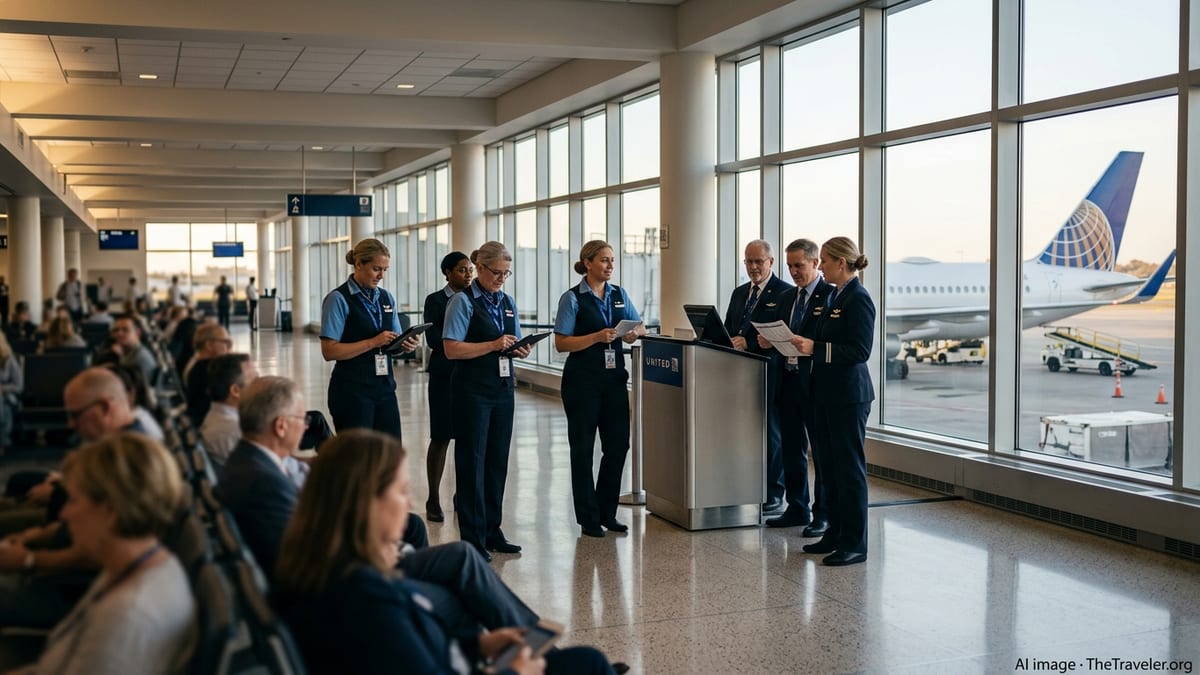
New Deal Promises Industry-Leading Pay and Long-Awaited Increases
According to publicly available information about the tentative agreement, the deal would lift hourly pay rates for United flight attendants across all seniority bands and is being described by union communications as offering some of the highest compensation in the sector. The proposed raises follow years in which base rates were effectively frozen while inflation and living costs climbed, leaving many cabin crew frustrated and increasingly vocal about their finances on social media and in union updates.
Reports indicate that the agreement includes an immediate wage bump upon ratification, followed by scheduled increases over the five-year life of the contract. The structure is intended to close the gap with leading competitors and to ensure that United’s pay scales remain competitive as other large U.S. carriers implement their own post-pandemic labor deals.
United’s management has publicly emphasized its desire to secure “industry-leading” pay as part of a broader strategy to stabilize its operation and retain experienced crew. Analysts note that higher labor costs are likely to be offset in part by United’s recent capacity growth and strong demand on domestic and international routes, which have supported robust revenue trends.
Boarding Pay, Sits and Scheduling at the Center of Improvements
Beyond straight wage increases, the tentative deal appears to target a series of longstanding quality-of-life concerns that have galvanized cabin crew activism since the pandemic. Union materials outlining the framework of the agreement highlight newly introduced boarding pay, a form of compensation that covers the busy period when passengers are getting on the aircraft, seats are being reassigned and cabin issues resolved, but engines are not yet running.
Publicly available summaries also point to new or improved pay for lengthy gaps between flights, commonly known as “sit time,” which can leave crews effectively stuck at airports without proportional compensation. These provisions reflect a trend across North American carriers, where recent contracts have begun to assign more value to non-flying duties that are essential to the passenger experience but historically underpaid.
The tentative agreement additionally contains changes to scheduling rules and trip construction aimed at giving flight attendants more predictability and control over their rosters. While full language has not been broadly released, union negotiators have framed these provisions as critical to reducing fatigue and helping crew balance work with family life, especially as United’s network adds more long-haul flying and complex multi-leg pairings.
Years of Stalled Talks and Strike Threats Set the Stage
The new tentative agreement arrives after a protracted and often tense bargaining process. United flight attendants have been operating under a contract that became amendable several years ago, and publicly available information shows that negotiations stretched on through multiple bargaining sessions without a ratified deal. During this period, inflation spiked and housing costs surged in key United bases such as San Francisco, Newark and Denver, amplifying worker discontent.
In 2024, United cabin crew delivered an overwhelming strike authorization vote, signaling a willingness to pursue job actions if federal mediators allowed it. While U.S. aviation labor law makes an actual strike more procedurally complex than in many industries, the vote underscored the level of frustration within the ranks and heightened pressure on both the airline and the union to find a path forward.
An earlier tentative agreement reached in 2025 failed to win sufficient support among rank-and-file members. Commentary posted by flight attendants at the time criticized that proposal as delivering delayed and inadequate raises after years of negotiations, and as falling short on work-rule reforms. The rejection forced negotiators back to the table and set the stage for the latest deal that now promises the first meaningful pay increases in six years.
How United’s Offer Compares Across the U.S. Airline Industry
The proposed settlement at United comes as major U.S. carriers are locked in a broader cycle of labor renegotiations, particularly with pilots and flight attendants. In recent years, pilots at the largest airlines secured substantial percentage raises and improved work rules, creating a benchmark that cabin crew unions have sought to match in their own bargaining.
Published coverage of recent flight attendant contracts shows that rivals have already moved to significantly richer pay structures. At American Airlines, a five-year contract ratified in 2024 for flight attendants included immediate pay increases of up to roughly 20 percent and introduced boarding pay, which was widely described as a milestone for unionized cabin crew. Southwest Airlines flight attendants also finalized a new deal in 2024 that delivered sizable wage gains and additional scheduling protections.
Against that backdrop, negotiators at United have framed the latest tentative agreement as necessary to keep the carrier competitive in recruiting and retaining staff. As airlines jostle for crew needed to operate larger schedules and new international routes, compensation packages at the biggest carriers increasingly influence one another, a pattern often referred to as pattern bargaining. Industry observers suggest that if United’s deal is ratified, it could set a fresh reference point for remaining contracts still in play at other airlines.
What Comes Next: Membership Vote and Operational Implications
For United flight attendants, the next step is a detailed review of the tentative agreement followed by a ratification vote. Union leaders have indicated through official channels that they will circulate full contract language and host informational sessions to explain pay tables, work rules and benefits before balloting opens. The vote will determine whether the new terms take effect or whether negotiators must return to the bargaining table.
If ratified, the agreement would reportedly run for five years before becoming amendable again, establishing a medium-term period of labor stability for United’s flight attendant group. Once implemented, raises and new pay components would begin to flow through paychecks after a short administrative lag, reflecting hours worked under the new rules.
From an operational perspective, a successful vote would remove the risk of near-term strike disruptions and could help United maintain its aggressive growth plans across the Atlantic, Pacific and domestic markets. For travelers, the most immediate impact is likely to be behind the scenes, in the form of a more secure and potentially more stable frontline workforce. For flight attendants, however, the agreement would represent a long-awaited financial reset after six years without raises in a period marked by pandemic upheaval and rising costs of living.