

More news on this day
United Airlines has imposed a ground stop on all departing flights at one of its largest U.S. hubs, creating a cascading wave of disruptions that left the airport leading the world in delays and forcing travelers to grapple with hours of unexpected waits and missed connections.
Get the latest news straight to your inbox!
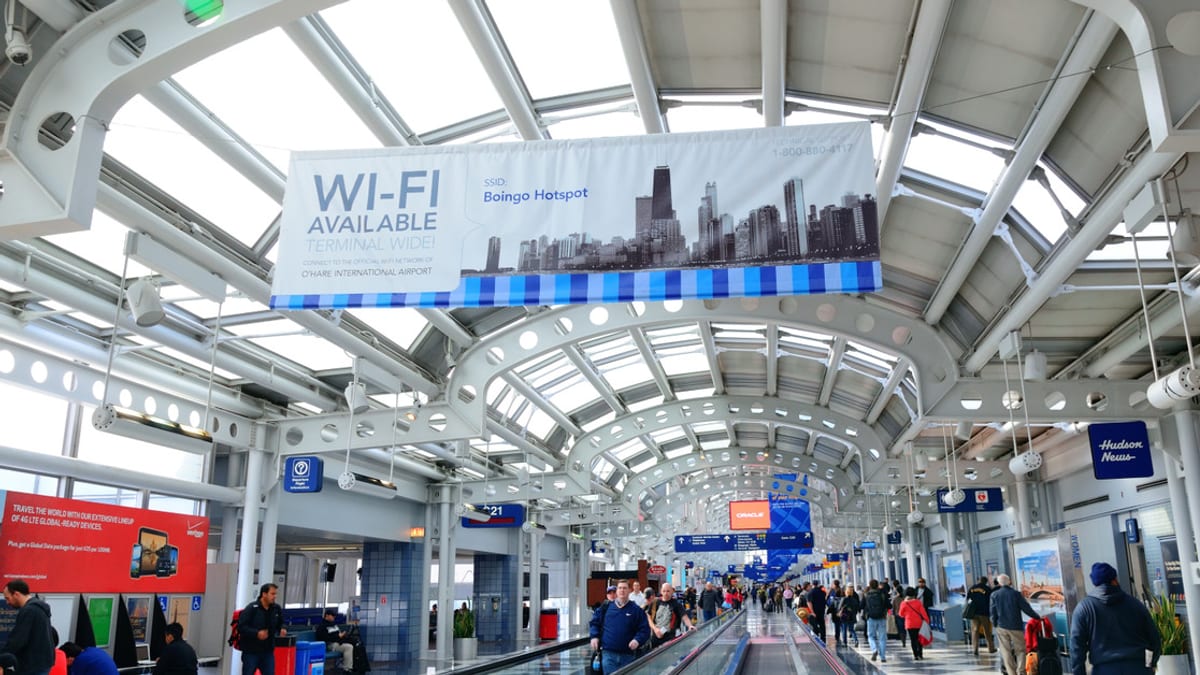
Image by thetravel.com
Ground Stop Freezes Departures at United Stronghold
Publicly available flight operations data on Sunday, March 29, 2026, show United halting all departures for a period at a primary hub airport as severe operational constraints mounted. The ground stop affected dozens of outbound flights in a short window, temporarily freezing the airline’s schedule at an airport that serves as a cornerstone of its domestic and international network.
The Federal Aviation Administration’s traffic management advisories indicate that the halt applied broadly to United’s departing traffic at the field, rather than to a single route. Ground stops are typically used to manage safety concerns or severe congestion by preventing additional takeoffs until conditions improve, and in this case the measure rapidly translated into mounting queues of aircraft and passengers.
As departures stalled, aircraft already at gates or taxiing for takeoff were held in place, while inbound flights continued to arrive. That imbalance quickly saturated gate capacity and constrained the ability of the airport to turn aircraft, intensifying delays for travelers both starting and ending their journeys at the hub.
Although the formal ground stop window was limited, its operational impact extended well beyond the official end time, as crews, aircraft rotations, and connecting banks fell out of sync with the planned schedule.
Weather, Congestion and System Strain Combine
Reports from national weather services and aviation tracking platforms point to a combination of adverse weather and preexisting congestion as key factors behind the disruption. Thunderstorms and strong winds in recent weeks have repeatedly affected major U.S. hubs, and the late March pattern continued to challenge safe and predictable operations.
Industry analysts note that when a ground stop is layered on top of an already busy day at a fortress hub, delays can multiply quickly. Even a disruption lasting an hour can displace entire waves of departing flights, forcing aircraft to wait for new slots and crews to bump against duty-time limits, which in turn may require last-minute cancellations.
Operational strain across the broader U.S. airspace network has also played a role. Staffing limits in key air traffic control centers and en route sectors serving the hub have reduced the margin for recovery when storms or equipment constraints arise. As traffic is metered into affected airspace, hubs like those used heavily by United can see outbound capacity temporarily throttled, making a ground stop one of the few tools available to keep flows manageable.
Travelers on social platforms over the weekend shared images of crowded gate areas and long lines at customer service desks at the affected airport, describing departure times that slid in 30 to 60 minute increments as the airline attempted to re-sequence its operation.
Hub Climbs to Top of Global Delay Rankings
Real-time airport performance dashboards compiled by aviation data providers show the United hub surging to the top of global delay charts during the height of the disruption. By midafternoon local time, the airport ranked among the worst in the world for average departure delays and total affected flights, outpacing busy international gateways in Europe and Asia.
According to publicly accessible tracking data, departure delays at the hub were averaging close to or above an hour during peak periods, with some flights held several hours past their scheduled times. The spike in late departures coincided closely with the timing of the ground stop and the subsequent recovery period, underscoring the knock-on effects of halting an entire bank of outbound flights.
The hub’s role as a primary connecting point for United magnified those statistics. Many passengers at other airports who were scheduled to connect through the disrupted hub faced rolling delays or missed onward flights, adding to the global tally of late arrivals as itineraries unraveled.
By early evening, metrics indicated a gradual improvement as weather conditions shifted and airspace capacity increased, but the airport remained high on world delay rankings into the night as crews and aircraft continued working through the backlog.
Ripple Effects for United’s Network and Passengers
The ground stop quickly evolved from a localized airport event into a broader network challenge for United. With aircraft and crews stranded out of position, later departures from other cities that relied on inbound aircraft from the hub were delayed or required last-minute substitutions, extending the disruption across multiple time zones.
Travelers reported missed international connections, extended tarmac waits, and difficulty securing new itineraries as premium cabins and remaining open seats on alternative flights filled. Some passengers turned to nearby airports served by United in search of rerouting options, putting additional pressure on neighboring hubs already managing their own weather and traffic constraints.
Publicly available information on United’s travel advisories shows the airline expanding flexible rebooking options around recent severe weather events at several of its hubs, allowing customers to shift travel dates within a limited window without additional fees. Similar measures appeared to be in effect for affected routes linked to the latest disruption, offering some relief to those willing or able to travel on alternative days.
Even with waivers in place, however, the challenge of finding seats during a busy spring travel period meant that some passengers faced multi-day waits for new flights, particularly on highly subscribed transcontinental and transatlantic routes originating from or connecting through the impacted hub.
Questions Raised About Resilience at Mega-Hubs
The episode adds to ongoing scrutiny of how resilient major airline hubs are when confronted with compounding pressures from weather, infrastructure limitations, and air traffic control constraints. In recent years, disruptions involving both United and other large U.S. carriers have highlighted how quickly operations at a single mega-hub can ripple across national and international networks.
Transportation analysts point to several structural vulnerabilities that become evident during such events, including heavy reliance on banked schedules that concentrate departures and arrivals into tight windows, limited spare gate and runway capacity, and thin buffers in crew and aircraft availability during peak seasons. When a ground stop interrupts a single departure bank at a hub, it can effectively destabilize the entire day’s schedule.
Published commentary from aviation experts suggests that incremental improvements in forecasting, dynamic scheduling, and data sharing between airlines and air traffic control may help reduce the frequency and severity of future ground stops. Investments in additional infrastructure and technology at hub airports could also expand capacity and improve flexibility when storms or system issues arise.
For travelers, the latest disruption serves as a reminder of the benefits of building extra time into itineraries that connect through major hubs, especially during storm-prone seasons, and of monitoring airline apps and flight-tracking tools closely on the day of travel so that rebooking options can be pursued as soon as irregular operations begin.