

More news on this day
United Airlines has delayed the start of six planned routes from Chicago O’Hare International Airport, underscoring how capacity constraints and regulatory scrutiny are reshaping growth plans at one of the carrier’s most important hubs.
Get the latest news straight to your inbox!
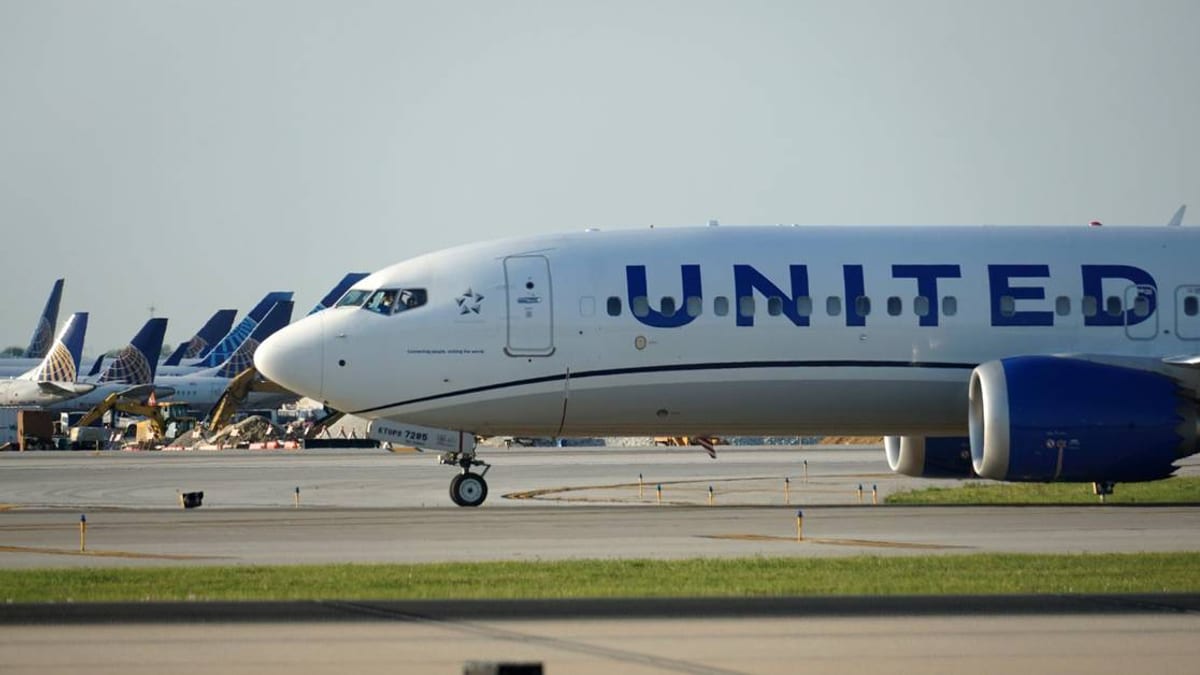
Delayed Routes Highlight O’Hare Capacity Squeeze
Publicly available scheduling data shows that United has pushed back the launch dates for six new routes that were due to debut from Chicago O’Hare as part of its upcoming schedule. While the affected city pairs have appeared in internal and industry timetable filings, they are now either postponed to later in the season or removed from near-term booking displays, indicating that the expansion is on hold rather than fully canceled.
The changes come as O’Hare approaches a summer period in which total scheduled operations are projected to exceed the airport’s current capacity. Federal regulators have already moved to curb peak movements, and United, which has been preparing what it has described in public materials as a record schedule from Chicago, is among the carriers having to recalibrate planned flying.
Industry analysis suggests that the six delayed routes were part of a broader push to deepen United’s connectivity from Chicago into a mix of secondary U.S. markets and seasonal leisure destinations. By holding back those launches, the airline appears to be prioritizing network resilience and gate utilization over rapid expansion, particularly at the most congested times of day.
The timing of the postponements, just ahead of the peak summer schedule transition, points to an effort to avoid last minute disruptions for travelers. Adjusting route start dates before tickets are widely sold allows the carrier to limit customer impact while still responding to an evolving regulatory and operational environment at the airport.
Regulatory Pressure Shapes United’s Chicago Strategy
According to published coverage of recent schedule filings, government authorities have signaled concern that airlines collectively planned more flights at O’Hare this summer than the airfield and air traffic control system can reliably handle. In response, regulators have set out to trim planned operations, encouraging carriers to reduce or defer new flying rather than risk cascading delays and cancellations.
United has been at the center of that debate because of its outsized presence at O’Hare and its intention to grow the hub to a record number of daily departures and destinations. Trade publications and aviation forums tracking the carrier’s filings note that the airline has already adjusted frequencies on some existing routes, and the delayed start of six additional routes appears to be another lever in that same effort.
Network planners typically weigh regulatory guidance, slot and gate availability, crew resources, and aircraft utilization when deciding which flights to add or postpone. In the case of Chicago, the combination of federal capacity limits and ongoing airfield construction has increased the pressure on schedules, leaving less room for experimental or highly seasonal routes that do not yet have an established revenue track record.
By deferring the start of multiple new services, United can preserve operational slack for its most critical trunk routes and long haul flights, which are central to its hub-and-spoke model. That tradeoff aligns with a broader trend in the U.S. airline industry toward favoring reliability and on-time performance over maximum short term growth at constrained airports.
Operational and Infrastructure Constraints at O’Hare
O’Hare has long been one of the country’s busiest and most complex hubs, and recent commentary in regional media and aviation communities has highlighted persistent issues with gate availability, long taxi times, and ground congestion. Travelers arriving early often report waiting on remote pads for gates to open, a visible symptom of how tightly scheduled many banks of arrivals and departures have become.
Infrastructure work on taxiways and terminals, part of a multiyear modernization program, is designed to expand capacity over time but can limit flexibility in the short term. Construction phases can alter preferred taxi routes, constrain pushback windows, and reduce the effective throughput of certain concourses, which in turn affects how many new flights an airline can practically add without eroding reliability.
United’s decision to delay six route launches fits within that context. Adding new destinations typically requires not only aircraft and crew but also dependable gate access and room in the departure and arrival banks. When congestion is acute, any additional complexity can amplify delays across the network, particularly at a hub where many passengers are connecting between flights.
Industry observers note that O’Hare’s modernization is expected to deliver long term benefits in terms of gate capacity and passenger flows, which could eventually support additional route growth. In the near term, however, carriers operating at the airport appear to be taking a more conservative approach to expansion, focusing on strengthening core routes and deferring some planned additions.
Impact on Travelers and Secondary Markets
For travelers in the affected origin and destination cities, the delayed launches mean fewer new nonstop options from Chicago this summer than previously anticipated. Some passengers who had been watching for new service announcements to book leisure trips or business itineraries may now need to rely on connecting flights or competing airlines.
Smaller regional airports that were slated to gain Chicago O’Hare links are likely to feel the impact most acutely. Direct access to a major hub can be a catalyst for local economic activity, supporting business travel, tourism, and convention traffic. When a hub carrier postpones new service, those communities often continue to depend on existing limited options or alternate hubs until conditions improve.
From a fare perspective, the delay of six routes may preserve tighter capacity on certain city pairs, at least in the short term. Competitive dynamics vary by market, but new entrants and additional frequencies generally exert downward pressure on prices. Without the extra seats that these routes would have provided, travelers could see less price relief on peak travel days.
At the same time, United’s broader Chicago network remains extensive, with hundreds of daily departures serving domestic and international destinations. Passengers may still be able to reach the intended cities via one stop connections through other hubs or with partner carriers, even if the promised new nonstops from O’Hare are temporarily off the table.
United’s Next Steps in a Crowded Competitive Landscape
The postponed route launches come at a moment of intense competition among U.S. carriers, particularly in the Midwest. Rivals have been adjusting their own Chicago strategies, adding and trimming routes as they respond to shifting demand, higher operating costs, and the same regulatory constraints that now shape United’s plans.
Industry reports indicate that United continues to invest heavily in O’Hare as a strategic hub, including through fleet upgrades, premium cabin enhancements, and long haul route development. The delay of six routes does not alter that overall direction but instead suggests a tactical pause, with the airline focusing on consolidating recent growth and navigating the near term capacity environment.
Looking ahead, the carrier will likely revisit the shelved routes as infrastructure projects advance and as regulators reassess O’Hare’s declared capacity for future seasons. If congestion eases and gate availability improves, the same markets that were postponed could reappear in schedule filings, potentially timed to coincide with aircraft deliveries or new connection opportunities.
For now, travelers and airports watching for new United service from Chicago O’Hare will be monitoring schedule updates over the coming months. The handling of these six delayed routes offers an early signal that, even for the largest hub players, the pace of expansion at constrained airports is increasingly being dictated by broader system limits rather than ambition alone.