

More news on this day
United Airlines is rolling out one of its most sweeping MileagePlus revamps in years, boosting earning rates to as high as 17 miles per dollar for top elites with co-branded cards and expanding discounted Polaris Saver award availability on marquee routes including London, Tokyo, Cancun, Hawaii and Florida.
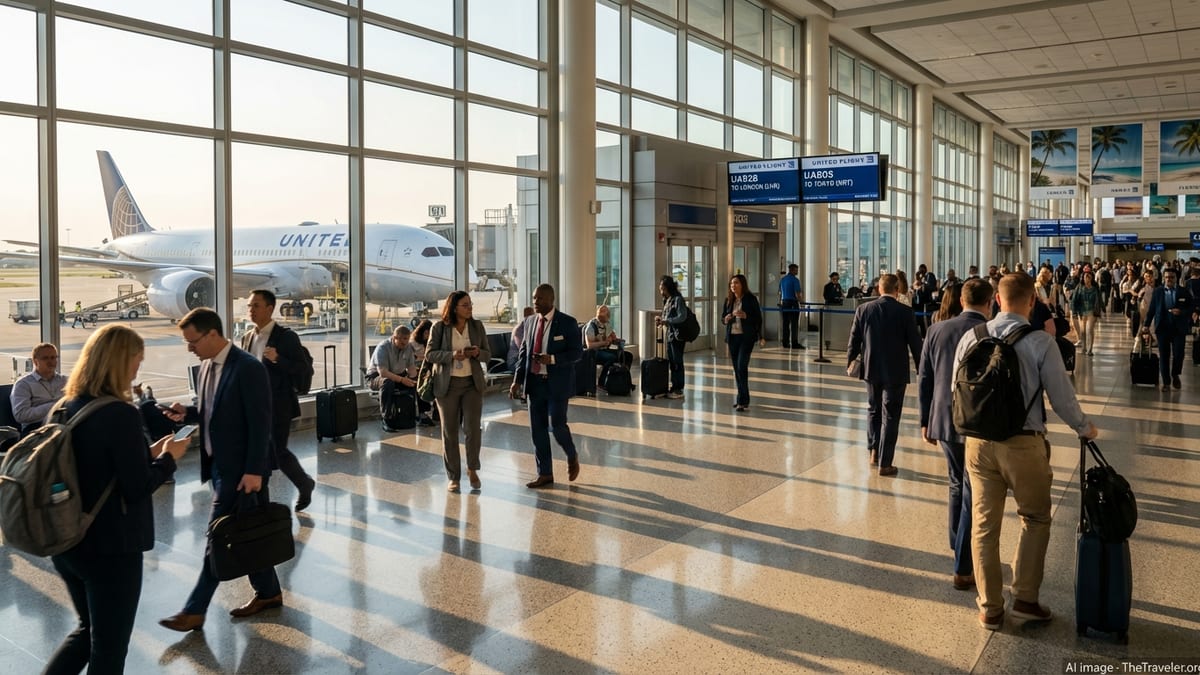
Major MileagePlus Overhaul Takes Effect in April
United’s new MileagePlus rules will apply to tickets purchased on or after April 2, 2026, marking a clear pivot toward rewarding customers who hold the carrier’s co-branded credit or debit cards. While the airline has long tied parts of its loyalty ecosystem to plastic, this redesign goes further by explicitly linking the richest mileage earnings and best award deals to United cardholders.
The headline change is the potential to earn up to 17 miles per dollar on eligible United flights, a level that puts the program among the most generous in the U.S. market for top-tier flyers who also carry premium cards. At the same time, non-cardholders, and especially those buying the cheapest basic economy fares, will see their mileage earning shrink or even disappear, widening the gap between casual travelers and United’s most loyal customers.
The overhaul arrives as airlines across the industry lean harder on co-branded card portfolios for revenue and loyalty. For United, which partners primarily with Chase, the new structure is designed both to deepen engagement among existing MileagePlus members and to nudge more travelers toward its suite of credit products.
For frequent flyers eyeing aspirational long-haul trips in Polaris business class, the changes also reshape the redemption landscape. Expanded Saver award inventory and built-in mileage discounts for cardholders mean that premium seats on routes such as London, Tokyo, Cancun, Hawaii and Florida may now be more within reach for well-positioned members.
Up to 17 Miles Per Dollar for Top Elites and Cardholders
At the core of the shake-up is a new earning grid that dramatically increases the number of redeemable miles that select MileagePlus members can accrue on each paid United ticket. The richest combination belongs to MileagePlus 1K members using a United Club card to purchase eligible flights, who can now earn a headline rate of 17 total miles per dollar spent.
That top-end figure reflects layered bonuses from both elite status and cardholder benefits, stacked on top of the base earning rate. Over the course of a year of transcontinental commuting or multiple long-haul international trips, the incremental mileage can add up quickly. A single round-trip in paid business class between the United States and London or Tokyo can now generate tens of thousands of miles for a 1K traveler paying with a premium card.
The uplift is not limited to the airline’s top elites. General MileagePlus members who carry a mid-tier United Explorer card will be able to earn around 9 miles per dollar on United-operated flights when using that card, roughly triple the rate of non-cardholding members under the new structure. Travelers with the more premium United Club card can see that figure climb higher still, to around 11 miles per dollar for general members.
For mid-tier elites, the story is similar. MileagePlus Gold flyers paying with products such as the United Quest card can earn around 13 miles per dollar on eligible tickets, outpacing the rates available to Gold members who choose not to carry a United card. In effect, United is making the card a key part of the mileage-earning equation at every rung of the elite ladder.
Basic Economy Loses Ground as United Tightens the Program
While the new MileagePlus design is a windfall for United’s most engaged customers, it also takes a harder line with travelers at the other end of the spectrum. One of the most consequential shifts is the treatment of basic economy fares, which have become a staple for price-sensitive flyers on both domestic and international routes.
Under the rules taking effect for tickets issued from April 2, general MileagePlus members who buy United’s basic economy and do not hold a co-branded card will no longer earn any redeemable miles on those tickets. That aligns United more closely with other large U.S. carriers that have progressively stripped mileage earning from their lowest fare buckets, tightening the value equation for occasional or highly price-focused customers.
Cardholders and elites still receive some credit on basic economy, but at reduced rates compared with higher fare classes. For example, a general member with a United card could earn a modest mileage return on a basic economy trip to Florida, while a Premier Gold with a card would capture more. The message is unmistakable: in the new MileagePlus, both status and a card are becoming prerequisites for robust rewards.
Travelers who have long relied on basic economy to keep costs down without giving up the chance to accrue miles will need to reassess their strategy. In some cases, paying slightly more for a regular economy fare, or adding a United credit card to their wallet, may be the difference between earning a meaningful trove of miles and earning nothing at all.
Cardholders Get Built-In Discounts on All Award Tickets
Alongside the reshaped earning grid, United is also introducing automatic mileage discounts on award tickets for MileagePlus cardholders. Starting with travel booked from April 2, members who hold United credit or debit products will receive at least a 10 percent reduction in the miles required for any United-operated award flight.
That blanket discount applies across cabins and regions, turning every redemption into a slightly better deal for cardholders than for non-cardholders booking the same seat. For example, a United Economy award that would otherwise price at 15,000 miles for a standard member could drop to 13,500 miles for a cardholder, enabling more trips before a mileage balance runs dry.
The savings scale even higher for Premier members who also have a card, who will enjoy discounts starting at 15 percent on United award redemptions. For regular travelers to popular leisure destinations such as Cancun or Hawaii, where demand for peak-season award seats can be intense, the smaller mileage price tags may be especially appealing, stretching balances further across school holidays and long weekends.
Because the discount is embedded directly in the pricing logic, there is no separate promotion to enroll in and no promotional codes to track. The lower mileage requirements should simply appear when eligible cardholders search for award space while logged into their MileagePlus accounts, allowing for immediate side-by-side comparison with the rates offered to non-cardholders.
London, Tokyo, Cancun and More Join Expanded Polaris Saver Map
Perhaps the most attention-grabbing component of United’s announcement is the expansion of Saver award inventory in Polaris business class, the airline’s flagship long-haul product. Historically, the most attractive Polaris Saver seats, particularly on premium routes, were often reserved for higher-tier elites such as Premier Platinum and 1K, leaving general members hunting for occasional deals.
Under the new framework, general MileagePlus members who hold a United credit or debit card will gain access to a broader pool of Polaris Saver awards that was previously off limits. United indicates that roughly one in three flights that offer Saver-level award fares will now feature exclusive inventory for cardholders and Premier members, effectively opening more doors to the front of the cabin.
Flagship routes are squarely in focus. The expanded inventory is set to encompass key transatlantic and transpacific markets like London and Tokyo, alongside high-demand leisure corridors such as Cancun, Hawaii and Florida. For a cardholding traveler in the United States, that means upgraded odds of finding lower-mileage Polaris business class seats on nonstop flights to Europe and Asia, as well as on long-haul journeys to resort destinations in Mexico and the islands.
Pricing at the Saver level remains dynamic, but United highlights that Polaris Saver awards can run as low as 80,000 miles for a one-way segment. Layering in the 10 percent discount for cardholders, that same seat could appear for as little as 72,000 miles for a general member with a United card, and even less for Premier members who enjoy larger percentage reductions on top.
How the New Structure Changes Value Calculus for Travelers
For frequent United flyers, especially those with or considering elite status, the shift forces a fresh look at how best to earn and spend miles. With the potential to earn up to 17 miles per dollar on certain tickets, the return on paid premium-cabin travel can be substantial, turning work trips or major vacations into powerful mileage engines.
Consider a 1K member with a United Club card buying a 5,000 dollar business class ticket to London. At 17 miles per dollar, that single booking could yield around 85,000 MileagePlus miles, more than enough to cover a discounted Polaris Saver one-way back from Europe under the newly advertised thresholds. Over the course of several such trips, cardholders could effectively cycle between earning and burning in premium cabins without significantly eroding their balances.
Mid-tier elites and engaged general members also stand to gain. A MileagePlus Gold traveler using a United Quest card on multiple annual trips to Hawaii or Florida could see their mileage accrual materially accelerate compared with past years, especially once the cardholder bonuses and elite multipliers stack. For many, the new earnings and discounts may justify consolidating more flying on United rather than spreading trips across multiple carriers.
At the same time, the program is clearly less generous for travelers who eschew credit cards or fly primarily on basic economy. Those members may find their mileage balances growing far more slowly or even stagnating. For them, the calculation may shift toward low cash fares and flexibility rather than long-term engagement with MileagePlus as a core rewards strategy.
Competitive Context as Airlines Lean Into Loyalty Economics
United’s MileagePlus overhaul lands amid a broader recalibration of airline loyalty programs toward higher-spending customers and co-branded card ecosystems. Rival U.S. carriers have already taken steps to reduce or eliminate mileage earning on basic economy tickets and to tie faster status qualification or richer rewards to spending on affiliated credit cards.
Financially, the logic is straightforward. Co-branded credit cards have become a major profit center for airlines, generating billions of dollars annually in payments from issuing banks and interchange fees. By making these cards indispensable for unlocking the best earn rates and the most compelling award opportunities, airlines deepen both their revenue streams and their grip on high-value travelers.
For United, pushing MileagePlus members toward its suite of Chase-issued products through enhancements like up to 17 miles per dollar, systematic award discounts and expanded Polaris Saver access is a way to defend and grow its position in this lucrative segment. The new benefits are structured to appeal to both business travelers eyeing long-haul comfort and leisure guests planning big-ticket trips to destinations such as Cancun, Hawaii or Tokyo.
Yet the move also risks alienating some travelers who feel squeezed by ever-tightening rules around cheaper fares and non-cardholder earning. As more programs follow a similar path, consumers may respond by concentrating loyalty where they perceive the best balance of value, flexibility and transparency, or by stepping back from traditional mileage programs altogether.
What MileagePlus Members Should Do Before April 2
With the implementation date now set, existing and prospective MileagePlus members have a limited window to plan their next steps. Travelers sitting on significant mileage balances may want to compare near-term redemptions under current pricing with the potential post-April cardholder discounts, especially for aspirational Polaris business class trips to London, Tokyo or popular resort destinations.
Those who fly United regularly but have not yet added a co-branded card will need to decide whether the richer earning rates and automatic award discounts justify a new application. For road warriors and frequent long-haul vacationers, the math may be compelling, particularly if they can leverage the full 17 miles per dollar potential at the top tiers and regularly tap into discounted Polaris Saver seats.
Occasional United customers, or those who primarily chase the lowest possible fares, may instead reconsider whether MileagePlus should remain their primary program. With basic economy earning curtailed for non-cardholders, their path to meaningful mileage accrual has narrowed, and alternative strategies such as cash-back cards or flexible bank points may appear more attractive.
Regardless of strategy, awareness will be key. The gap between what two passengers earn and burn on the same flight is about to widen considerably, shaped not just by where they sit in the cabin, but by what is in their wallet and how engaged they choose to be with United’s reshaped MileagePlus ecosystem.