

More news on this day
United Airlines is preparing a new 161-seat “Coastliner” version of the Airbus A321neo, adding a lie-flat Polaris cabin and upgraded transcontinental product as competition intensifies on U.S. coast-to-coast routes.
Get the latest news straight to your inbox!
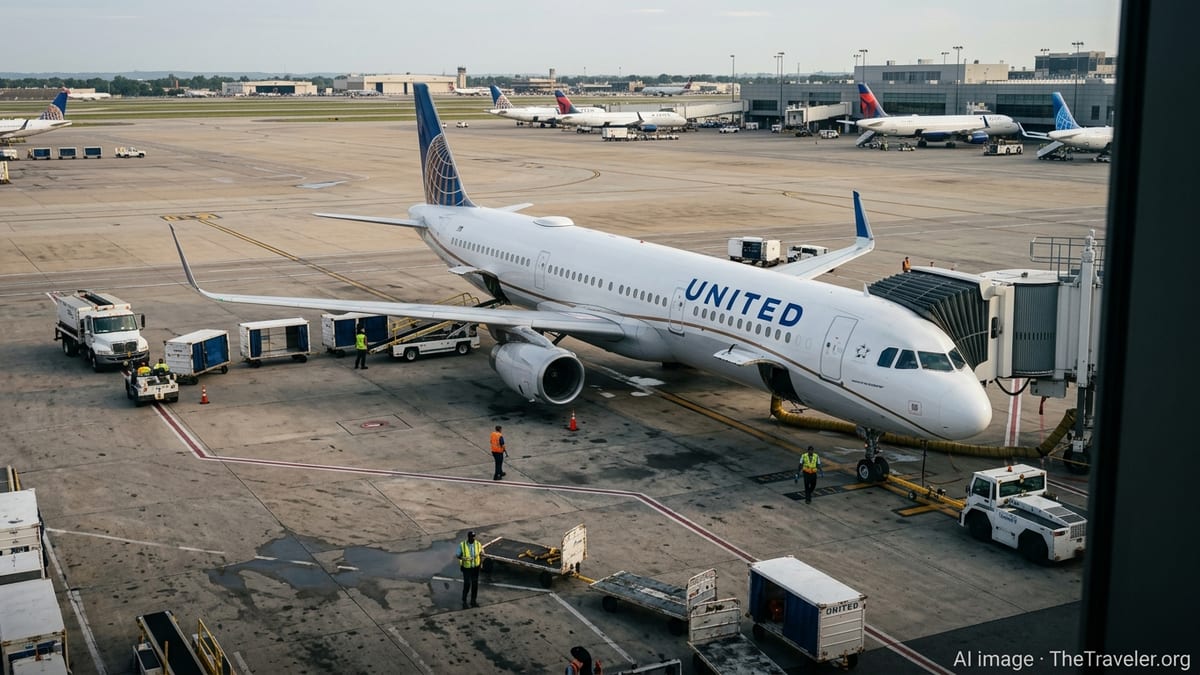
Dedicated Coastliner A321neo Subfleet Targets Transcon Market
Publicly available fleet data and industry reporting indicate that United is developing a distinct “Coastliner” configuration of the Airbus A321neo with 161 seats, separate from its 200-seat domestic layout. The new variant is described as a three-cabin aircraft tailored for high-yield premium routes linking the East and West Coasts.
Figures published in recent fleet summaries show the Coastliner A321neo arranged with 20 seats in Polaris business class, 12 in Premium Plus and 129 in economy, including extra-legroom seating. This layout sharply contrasts with United’s 200-seat A321neo configuration that features a traditional domestic first class cabin rather than lie-flat beds.
Reports from aviation outlets and enthusiast communities suggest the Coastliner subfleet will be used mainly on routes connecting Los Angeles and San Francisco with Newark and the New York area. These markets are among the most contested in the United States, with rival carriers already operating specialized premium-configured aircraft.
The Coastliner branding has appeared on imagery of a soon-to-be-delivered A321neo, signaling that United intends to market the product as a distinct experience rather than a minor cabin refresh. The aircraft join a broader modernization plan that adds dozens of A321neos to the airline’s narrowbody fleet over the next several years.
Polaris Lie-Flat Suites Come to Narrowbody Transcon Flights
The most notable change with the Coastliner is the introduction of United Polaris lie-flat seats on a narrowbody aircraft dedicated to domestic service. According to recent descriptions of the interior, the A321neo Coastliner will feature 20 all-aisle-access Polaris suites at the front of the cabin, bringing the airline’s flagship long-haul brand to core U.S. transcontinental routes.
This marks a shift from United’s earlier approach, which relied heavily on widebody aircraft such as the Boeing 787 and 777 to provide lie-flat seating on select coast-to-coast flights. By using a purpose-built narrowbody, United gains the flexibility to run more frequencies with a consistent premium product while lowering operating costs relative to larger widebodies.
The Coastliner business cabin is expected to mirror the Polaris experience found on newer long-haul aircraft, including direct aisle access at every seat, larger privacy shells and expanded personal stowage. Although fine-grain design details have not been fully disclosed, the intention is to position the offering directly against American’s Flagship-branded cabins and JetBlue’s Mint suites on similar routes.
Industry commentary also highlights that United will offer Polaris lounge access for customers booked in the Coastliner’s lie-flat cabin. That would represent a first for many domestic-only travelers, reinforcing the airline’s strategy of using ground and inflight upgrades together to justify higher fares in the transcontinental market.
Three-Class Layout Adds Premium Plus and Shrinks Economy Share
Beyond business class, the 161-seat Coastliner layout incorporates 12 Premium Plus seats, a cabin United previously reserved for long-haul widebody operations. Placing Premium Plus on a domestic narrowbody signals a push to create more price points between Polaris and standard economy on coast-to-coast routes.
Compared with United’s current 757 transcontinental configuration, analysis of available seat maps and community breakdowns shows that the Coastliner sacrifices overall seat count to expand premium offerings. The aircraft will carry fewer total passengers than transcon 757s, yet nearly doubles the number of premium seats when Polaris and Premium Plus are combined.
The shift has prompted debate among frequent flyers, some of whom note that the increase in premium seating comes at the expense of standard economy capacity. Observers point out that the Coastliner removes dozens of economy seats relative to the 757 it is expected to replace, demonstrating how United is prioritizing higher-yield customers on these routes.
Nonetheless, the large economy cabin on the Coastliner, with 129 seats, still represents the majority of onboard capacity. It will be equipped with United’s latest interior features, including larger overhead bins and updated lighting, in line with the Airspace cabin design used across the A321neo family.
New Transcon Product Builds on A321neo Cabin Investments
The Coastliner concept builds on cabin innovations that United introduced on its standard A321neo fleet beginning in recent years. Those aircraft debuted an all-new United First seat, refreshed economy cabin styling and enhanced inflight entertainment, part of the airline’s multibillion-dollar effort to modernize the onboard experience.
With the transcon-focused A321neo, United is layering its long-haul branding onto that foundation. The airline has already ordered significant numbers of A321neo and A321XLR aircraft, with delivery schedules stretching into the next decade. Fleet data listing both a 200-seat domestic A321neo and a 161-seat Coastliner version underscores how central the type is becoming to United’s narrowbody strategy.
Analysts view the A321neo as particularly well-suited to premium transcontinental missions thanks to its fuel-efficient engines and long range, which allow nonstop service even in challenging headwind conditions. The aircraft’s cabin architecture also accommodates wider aisles and newer bins without severely compromising seating density.
United’s decision to anchor its transcon upgrade on the A321neo places it alongside competitors that have also used next-generation Airbus narrowbodies to differentiate premium offerings. The move suggests that the U.S. major carriers increasingly see high-end domestic travel as a key battleground for loyalty and revenue growth.
Competitive Pressure on American, Delta and JetBlue
The introduction of the Coastliner A321neo raises the stakes in the long-running competition for premium travelers between New York or Newark and the West Coast. American Airlines already operates specialized transcontinental aircraft with lie-flat seating, while JetBlue’s Mint product has built a reputation for high service levels and relatively spacious suites.
Delta Air Lines is also in the process of reshaping its A321neo strategy, with recent coverage detailing a limited configuration featuring an expanded Delta One or first class presence on select aircraft. Against this backdrop, United’s decision to field a high-premium, three-class narrowbody underscores how no major carrier is willing to cede the transcon segment.
Travel industry observers note that the expanded availability of lie-flat seats on narrowbody jets is reshaping expectations on coast-to-coast flights. Where fully flat beds were once limited to a handful of frequencies or widebody aircraft, passengers can increasingly expect that schedule flexibility will not require sacrificing comfort at the front of the cabin.
At the same time, the premium focus may mean fewer low-fare seats on specific high-demand departures as airlines reallocate cabin real estate toward higher-paying customers. For leisure travelers and small businesses, that could make timing and route selection more important when seeking value on these routes.
As United’s Coastliner subfleet enters service, likely beginning later this year according to recent schedules and commentary, competitive responses from rival airlines will be closely watched. Adjustments in products, pricing or schedule patterns could follow as carriers vie to secure the most lucrative end of the transcontinental market.