

More news on this day
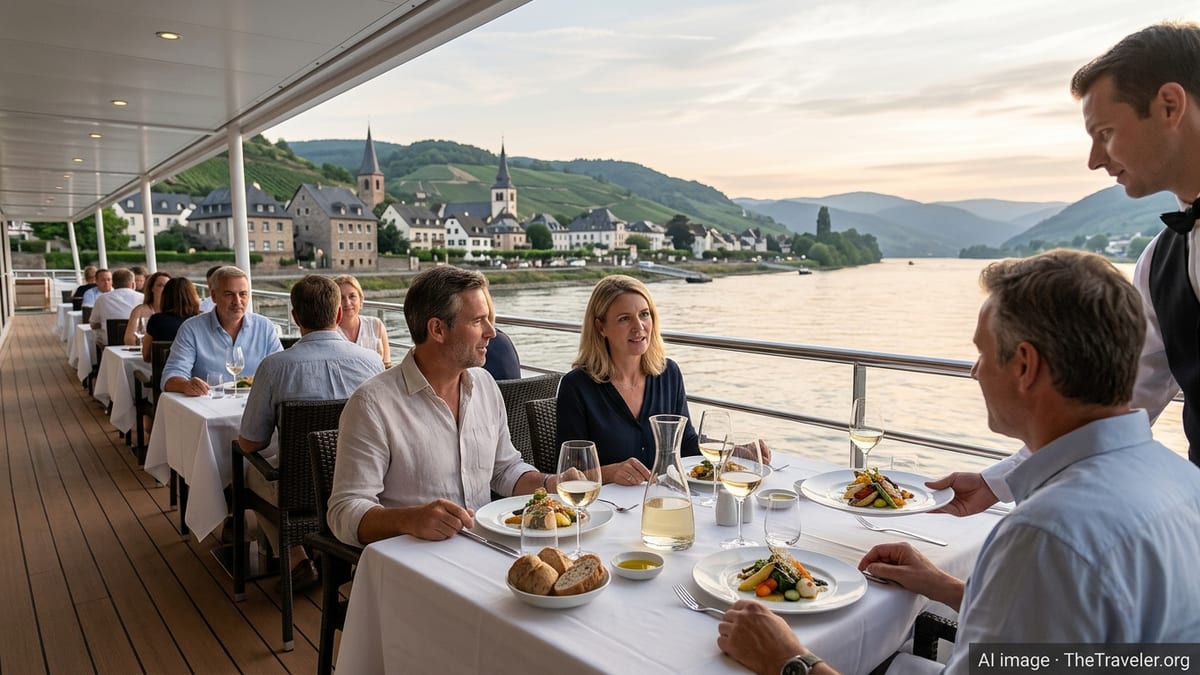
United Waterways is partnering with JRE‑Jeunes Restaurateurs to create a new series of chef‑driven culinary experiences on river cruises across Europe and Japan, signaling how high‑end gastronomy is becoming a core differentiator in the competitive small‑ship cruise market.
Get the latest news straight to your inbox!
A New Culinary Chapter for United Waterways
The collaboration brings together United Waterways, a Basel‑based specialist in white‑label ship management, with JRE‑Jeunes Restaurateurs, a network of ambitious young chefs known across Europe for fine dining and a focus on local produce. Publicly available information indicates that United Waterways has been expanding its portfolio of river and coastal projects, while JRE has been actively developing cruise partnerships, including previous sea‑going concepts, to showcase contemporary European cuisine at sea.
By joining forces, the two organizations are positioning river cruising as a platform for gastronomic discovery rather than simply a convenient way to move between ports. The partnership is expected to feature rotating JRE chefs designing menus and guest experiences that highlight seasonal ingredients and regional traditions along key rivers.
United Waterways already manages vessels and services on major European waterways, and has been extending its expertise to newbuild projects and coastal concepts. The tie‑up with JRE aligns with that strategy by attaching a recognizable culinary brand and chef talent pool to itineraries that traverse established food regions, from the Rhône and Douro to the Danube and Rhine, as well as select river routes in Japan.
Chef‑Led Menus From the Danube to Japan
According to industry coverage of similar JRE cruise projects, the group’s chefs typically curate multi‑course menus that change throughout a voyage, often with at least one gala dinner and a series of dishes anchored in regional specialties. Applying that model to United Waterways‑operated river programs is expected to bring more structure and storytelling to onboard dining, turning each sailing into a themed culinary journey.
On European rivers, the concept is likely to focus on classic food regions that are already popular with river cruise travelers. Sailings through Austria and Hungary may emphasize Central European recipes updated with modern techniques, while routes in France and Portugal could spotlight Rhône valley produce, Provençal flavors, or Douro wines paired with contemporary Iberian dishes. The presence of JRE chefs offers scope for tasting menus, wine‑paired dinners, and pop‑up chef’s tables tailored to each itinerary.
In Japan, where river tourism is gradually developing alongside coastal and expedition cruising, the collaboration points to menus that balance European culinary signatures with Japanese seasonality and presentation. Reports on Japan‑focused gastronomic cruises suggest rising demand for experiences that integrate local markets, regional sake, and prefecture‑specific ingredients. The United Waterways and JRE initiative is expected to mirror that trend by working with Japanese suppliers while retaining the creative identity of the European chefs.
From White‑Label Ship Management to Branded Experiences
United Waterways has built its business on a white‑label model, providing ship management and operational services behind the scenes while partner brands present the product to guests. Industry analyses describe the company as a one‑stop provider for river cruise operations, offering everything from crewing and technical management to hotel services and newbuild support for third‑party travel companies.
The partnership with JRE indicates that white‑label platforms are increasingly pairing operational scale with high‑profile experiential elements. Rather than simply supplying a standard food and beverage program, United Waterways can now offer partners a modular culinary concept that comes with chef names, menu frameworks, and a proven blueprint for integrating gastronomy into shore excursions.
This evolution reflects a broader shift in river cruising, where operators are competing less on hardware alone and more on how well they can differentiate on board. As vessels become more energy‑efficient and similar in size and layout, branded experiences such as chef residencies, wine programs, and wellness concepts are emerging as key ways to stand out. For United Waterways, leveraging JRE’s culinary identity allows its partner brands to access that differentiation without building a chef network from scratch.
Immersive Shore Experiences and Local Sourcing
Gastronomy‑focused cruise concepts built with JRE have often extended beyond the dining room to include shore‑based activities such as visits to small producers, wineries, markets, and artisan workshops. Applying this approach to river itineraries across Europe and Japan gives the partnership a framework for deeper destination engagement.
On Rhine and Danube routes, this could translate into curated excursions to family‑run vineyards, farmhouse cheesemakers, or urban food halls, where guests see how ingredients eventually appear on their plates back on board. In France and Portugal, sailings may emphasize cellar tastings, estate visits, and meetings with local winemakers whose bottles are then featured prominently at dinner.
In Japan, similar patterns may emerge around regional markets, sake breweries, and riverside food districts, blending sightseeing with culinary education. Reports on contemporary cruise products suggest that travelers increasingly value these kinds of immersive, small‑group experiences, particularly when guided or interpreted by the same chefs they encounter in the ship’s restaurant.
Positioning River Cruises for a Premium Future
The timing of the United Waterways and JRE collaboration aligns with a period of expansion and renewal in the river cruise sector. European river capacity has been gradually increasing, and several operators are investing in more sustainable ships and upgraded onboard facilities. At the same time, coastal and expedition projects are adapting river‑style intimacy and destination focus to new regions.
By framing dining as a highlight rather than a supporting feature, the partnership aims to position river cruises as a credible alternative to land‑based gourmet travel, such as wine tours or city‑center food weekends. For trade partners working with United Waterways on bespoke brands, having access to a named culinary partner can support premium pricing and targeted marketing toward food‑motivated travelers.
Observers of the cruise and hospitality sectors note that collaborations between transport providers and chef collectives are likely to proliferate as brands look for recognizable signatures that translate across markets. The United Waterways and JRE‑Jeunes Restaurateurs initiative suggests that river cruises in Europe and Japan will increasingly be promoted not only for scenery and cultural landmarks, but also for the chance to experience evolving regional cuisines curated by some of the continent’s most dynamic chefs.