

More news on this day
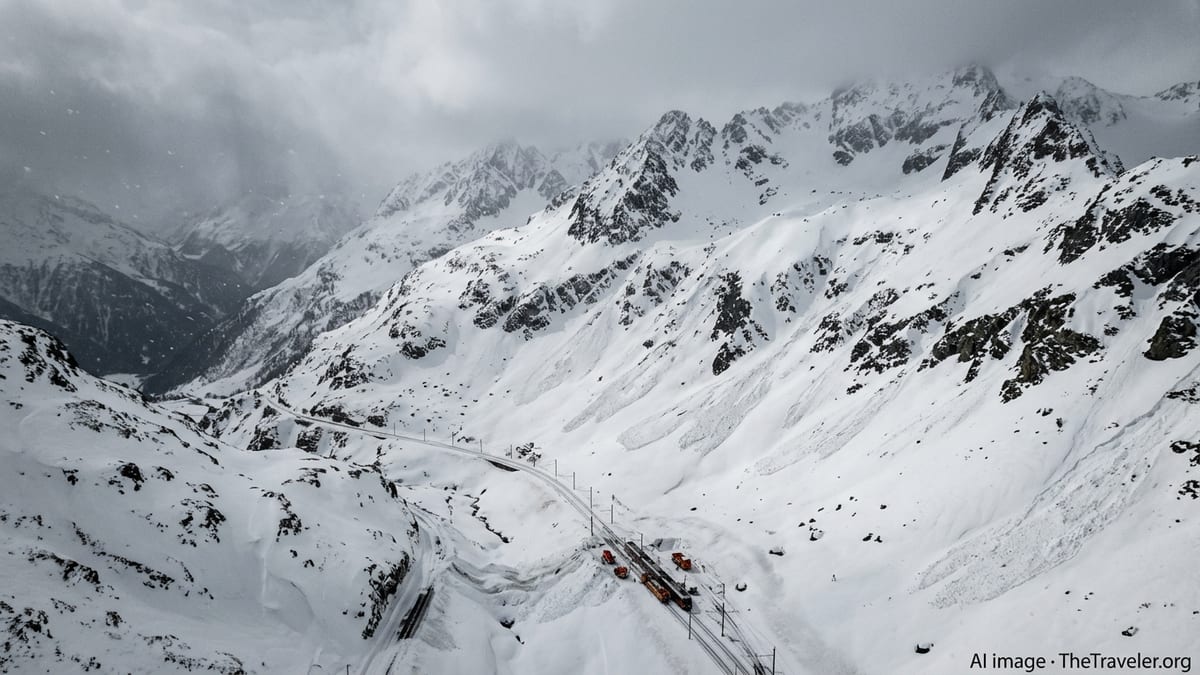
Spring has arrived on the calendar, but in the Swiss Alps the season is unfolding as a volatile extension of winter, with fresh snowstorms, unstable slopes and a series of avalanche incidents combining to create hazardous conditions for residents and visitors across the high mountains.
Get the latest news straight to your inbox!
Storm Cycles Keep Avalanche Danger Elevated
Publicly available avalanche bulletins for Switzerland indicate that large parts of the Alpine arc have spent much of late February and early March under high or very high avalanche danger, frequently reaching Level 4 on the European warning scale and at times touching the maximum Level 5 in nearby regions. Repeated storm cycles have loaded significant new snow onto already weak layers in the snowpack, a combination that specialists describe as especially prone to natural and human-triggered avalanches.
Recent coverage of conditions across the Alps points to persistent snowfall, strong winds and sharp temperature gradients as the main drivers of the current instability. Wind-blown snow has created deep slabs on leeward slopes, while buried weak layers mean that even small additional loads, such as a single skier or snowshoer, can trigger large releases. Reports from mountain safety organizations emphasize that in some high alpine zones the recommendation remains to avoid avalanche terrain entirely.
The pattern is typical of a turbulent transition from winter to spring but appears more prolonged and intense this year, according to regional snow and weather analyses. With another round of snow forecast for the coming days at elevations popular with late-season skiers and tourers, conditions are expected to remain complex and potentially dangerous even as sunny intervals return between storms.
Transport Routes and Mountain Towns Feel the Impact
The elevated avalanche danger has already translated into disruption along key mountain corridors. Recent reports describe avalanches affecting railway lines in the canton of Valais, including incidents where snow reached or struck regional trains, contributing to derailments and temporary line closures. While injuries have been limited, the episodes underscore how quickly conditions can deteriorate when heavy snowfall and high winds coincide with early-morning commuter and tourist traffic.
Along with rail interruptions, some high mountain roads and car-train tunnels have faced temporary suspensions as precautionary measures. Local authorities responsible for road safety have closed sections in areas rated at the top of avalanche risk scales, particularly where avalanche paths cross transport infrastructure. Travelers heading toward popular hubs such as Zermatt, the Lötschental and other high valleys have been advised via public bulletins and media reports to expect delays, diversions and last-minute timetable changes.
High alpine resorts are also using slope closures and controlled access to manage risks. Public information from ski destinations in Switzerland and neighboring countries shows that off-piste terrain and unsecured routes are frequently remaining closed, even when groomed pistes reopen between storms. Visitors arriving in search of spring sunshine and soft snow are increasingly being asked to adapt plans to rapidly changing safety assessments.
International Travel Advisories Highlight Avalanche Risk
The situation in the Swiss Alps has begun to feature in international travel advisories. Recent updates aimed at foreign visitors note an unusual concentration of avalanche accidents across the wider European Alps this winter, as well as a sustained period of elevated hazard ratings. Some advisories explicitly mention significantly increased avalanche danger in parts of Switzerland, alongside neighboring Austria and France, and encourage travelers to monitor local bulletins closely.
For travelers from North America and other regions unfamiliar with European avalanche scales, the language in these notices is direct. Level 4 out of 5 on the hazard scale is described as indicating a high likelihood of both natural and human-triggered avalanches, while Level 5 indicates very high danger and widespread natural avalanche activity. Guidance generally emphasizes that recreational travel in steep snow-covered terrain is not recommended at these levels and that those without advanced training should remain on open, controlled pistes or postpone mountain excursions.
Embassy communications and national travel portals also underline that the risk is not confined to extreme sports enthusiasts. Settlements, roads, rail lines and hiking routes located below steep slopes can all be affected in severe cycles. Travelers are urged to factor avalanche risk into route planning just as they would consider flood, storm or wildfire information when visiting other parts of the world.
Spring Snowpack Dynamics Add Hidden Hazards
As temperatures gradually rise through March, the snowpack in the Swiss Alps enters a more complex phase that can be deceptive for visitors. Sunny mornings, softer snow on pistes and longer daylight hours can create an impression of calmer conditions, but snow science material published by the Swiss WSL Institute for Snow and Avalanche Research explains that spring brings its own set of hazards. Daytime warming, rain on snow and meltwater percolating through weak layers can all destabilize slopes, sometimes late in the day when many people are still returning from tours or hikes.
Educational leaflets and online resources from Swiss avalanche experts highlight diurnal, or day-night, variations in stability as a critical factor in spring. Snow that appears firm and supportive early in the morning can quickly turn wet and heavy, increasing the risk of wet-snow avalanches on steep slopes, gullies and beneath rock walls. These avalanches may release without obvious warning signs, and they can occur on aspects that were relatively safe in colder mid-winter conditions.
In addition, long-lasting weak layers built up during cold periods earlier in the season can persist deep within the snowpack. When new storm snow arrives on top of these layers, or when percolating meltwater reaches them, slopes may fail unexpectedly. This combination of persistent internal weaknesses and rapid surface changes is a key reason why avalanche bulletins continue to stress caution even as the calendar advances toward traditional hiking and shoulder season travel.
Practical Guidance for Travelers Heading to the Alps
For travelers who have already booked trips to the Swiss Alps this spring, current conditions do not necessarily mean plans must be abandoned, but they do call for careful preparation and flexibility. Publicly available guidance from Swiss weather and hazard services recommends that visitors check the official avalanche bulletin every day, paying particular attention to the regional danger level, altitude bands and slope aspects most at risk.
Visitors without avalanche training are encouraged to stay on open, patrolled ski runs and marked winter trails, and to avoid off-piste descents, unmarked routes or high alpine touring itineraries unless accompanied by qualified professionals. Tourism safety briefings advise against entering closed zones, shortcutting under steep slopes or lingering in known avalanche paths such as narrow valleys, gullies and the runout zones beneath couloirs.
Travel planners also suggest building extra time into itineraries for potential transport interruptions and considering lower-altitude destinations or city breaks as backup options if hazard levels spike again. Those planning scenic rail journeys, mountain pass drives or high-level hikes in late March and April are advised to monitor both weather forecasts and local transport alerts, as passes and mountain railways may suspend operations at short notice when storms or avalanche control work are underway.
With spring snowstorms still sweeping across the high peaks and avalanche statistics already elevated compared with typical seasons, the overarching message from publicly accessible bulletins and travel advisories is one of heightened vigilance. Anyone heading into or through the Swiss Alps in the coming weeks is being urged to treat avalanche information as essential travel intelligence, on par with checking timetables and accommodation reservations.