

More news on this day
American carriers are racing to secure jet fuel supplies and recalibrate their summer schedules as war-driven price shocks and tightening inventories raise fears that some US airlines could face serious fuel constraints within weeks.
Get the latest news straight to your inbox!
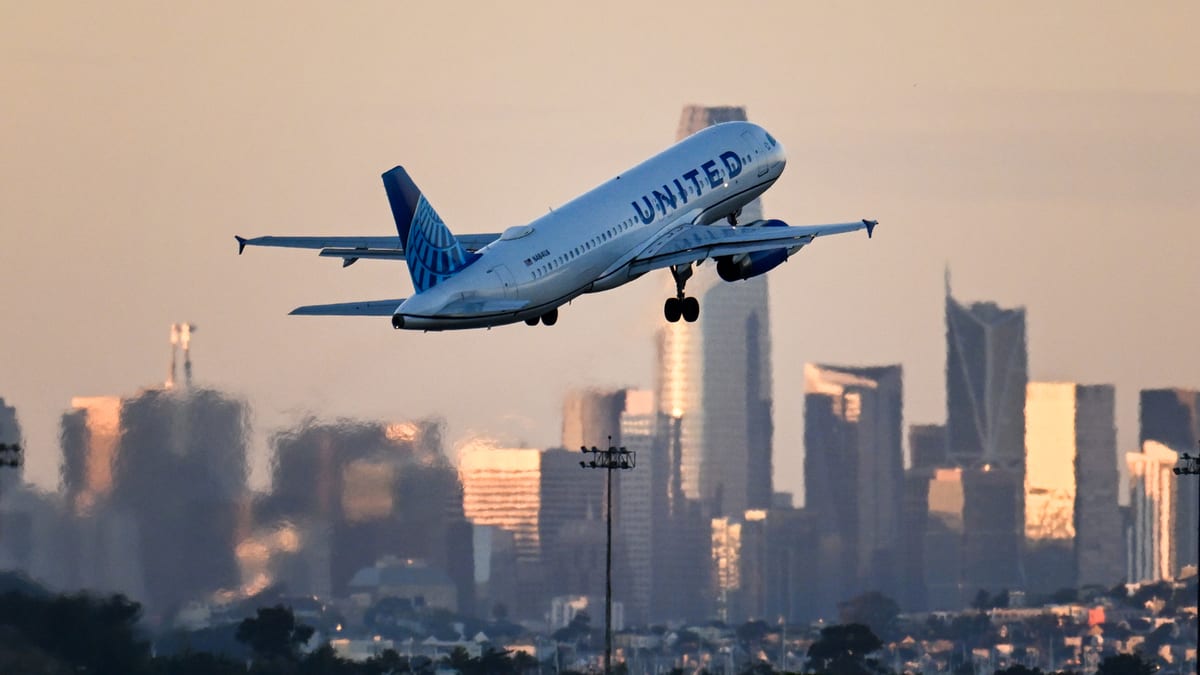
Image by Travel - news, features, tips | The US Sun
Geopolitical shocks collide with record travel demand
A fresh spike in oil and jet fuel prices linked to escalating conflict in the Middle East is colliding with robust US travel demand, creating a volatile backdrop for airlines heading into the critical summer season. Industry analyses indicate that benchmark jet fuel prices have more than doubled in a matter of weeks, outpacing both crude oil and broader energy markets.
Recent commentary from major airline executives and financial analysts points to fuel as the single biggest near-term risk to carrier profitability. Jet fuel typically accounts for around one quarter of airline operating costs, but that share can climb rapidly when prices surge faster than tickets can be repriced. Many summer flights were sold months ago, locking in fares even as fuel bills jump.
Travel demand, however, remains strong. Forecasts from energy and aviation agencies suggest that US jet fuel consumption in the coming year is on track to exceed pre-pandemic levels, reflecting a sustained appetite for leisure trips and a partial recovery in business travel. That combination of tight supply and high demand is amplifying concerns that refineries and logistics networks may struggle to keep up as the busy season approaches.
Reports from sector researchers describe a growing disconnect between what travelers expect and what airlines can reliably deliver if market turmoil persists. With little spare slack in supply chains, even localized disruptions in refining centers or key shipping lanes could ripple quickly through US airports.
From price shock to supply strain
While the immediate impact of the latest oil shock has shown up in higher spot prices, attention is increasingly turning to the physical availability of jet fuel. Trade publications and energy-focused think tanks have highlighted how refiners are reallocating output toward higher-margin products, while some exporting countries weigh restrictions designed to protect domestic supply.
Recent case studies compiled by industry groups show how quickly aviation networks can be stressed when fuel flows are disrupted. Past outages linked to pipeline issues, cyberattacks and regional bottlenecks forced airlines to fly in fuel, add technical stops or cap departures from affected airports. In several instances, airports received only a fraction of normal deliveries for weeks at a time, leaving airlines to ration uplift and prioritize key routes.
Analysts now warn that a prolonged closure or restriction of major energy chokepoints, such as the Strait of Hormuz, could constrain jet fuel exports to global markets, including the United States. Commentaries circulating in aviation and energy circles suggest that reserves can bridge short disruptions, but sustained shortfalls risk depleting stockpiles by late spring if replacement barrels do not arrive.
That scenario has prompted some airline leaders to flag the possibility that, in an extended crisis, carriers could be forced to trim schedules or re-time flights simply because fuel is unavailable where and when it is needed. The warning is not that every US airport will literally run dry overnight, but that limited stocks at certain hubs could begin to dictate which flights operate, and which do not.
Low-cost carriers and smaller airports most exposed
The potential squeeze is not expected to hit all airlines equally. Credit rating agencies and equity analysts have underscored that low-cost and ultra-low-cost carriers, which rely on high aircraft utilization and low fares, face particular vulnerability to fuel spikes. Several of these airlines were already unprofitable before the current run-up in energy prices, leaving less financial buffer to absorb another shock.
Network carriers with larger balance sheets, diversified route maps and more flexibility to shift capacity may find it easier to weather a turbulent fuel market. Some have already signaled plans to cut marginal routes, reduce frequencies or swap larger jets for smaller aircraft on thinner services in an effort to conserve fuel and protect yields.
Smaller and mid-sized airports are also seen as potential pressure points. Historical examples show that when trucking capacity, pipelines or local storage hit limits, fuel deliveries to secondary airports are often constrained first, forcing airlines to tanker in fuel on inbound flights or schedule additional refueling stops. Even modest disruptions at those locations can cascade into delays and cancellations across broader networks.
Industry observers note that regional communities dependent on a handful of daily flights could face disproportionate impacts if airlines decide that scarce fuel is better deployed on trunk routes linking major hubs. In previous episodes of tight supply, some smaller destinations saw temporary cutbacks even as big-city airports continued to operate with fewer visible effects.
What travelers could face in the coming weeks
For passengers planning trips in late spring and early summer, the immediate consequence of the jet fuel shock is likely to be higher fares rather than outright flight cancellations. Travel analysts tracking booking trends report that airlines are already moving to raise prices on many routes, particularly long-haul and peak-time services where fuel accounts for a larger share of total operating costs.
Pricing specialists suggest that if fuel markets remain volatile, carriers may lean on last-minute fare hikes and surcharges to recoup costs, making it more expensive for travelers who delay booking. Published commentary from travel advisers is increasingly urging customers to secure tickets sooner rather than later, warning that the window for locking in lower fares may close quickly if the conflict and supply disruptions drag on.
Operationally, airlines have a range of tactics to manage through fuel stress before resorting to canceling flights outright. These include adjusting flight speeds to save fuel, consolidating lightly booked services, or routing aircraft to airports with more reliable fuel access. In more constrained scenarios, carriers can also prioritize core routes and reduce or pause flights to destinations where fueling the return leg is uncertain.
Passengers could therefore encounter more schedule tweaks, equipment changes and tighter seat availability as airlines adjust day by day to evolving fuel conditions. Industry reports advise travelers to monitor itineraries closely in the weeks before departure and to build in extra time for connections in case of knock-on delays.
Airlines race to adapt as uncertainty deepens
Behind the scenes, airline finance and operations teams are scrambling to update fuel forecasts, renegotiate supply contracts and reassess summer capacity plans. Publicly available filings show carriers stress-testing scenarios in which jet fuel remains elevated or climbs further into the main travel months, with a particular focus on balance sheet resilience and access to credit.
Some carriers are accelerating longer-term efficiency moves, such as retiring older, less fuel-efficient jets and shifting more flying to newer aircraft that burn less fuel per seat. Others are revisiting discretionary spending, capital projects and hiring plans to preserve cash in case fuel costs stay high for longer than initially expected.
Aviation policy analysts, meanwhile, are watching for any signs that sustained fuel tightness could prompt government attention, particularly if disruptions spread or ticket prices rise sharply for key domestic routes. Previous episodes of energy market turmoil have occasionally triggered reviews of strategic fuel reserves, pipeline capacity and regulatory hurdles affecting refinery output.
For now, the industry is navigating a narrow path between robust demand and rising costs. Whether American airlines ultimately confront actual fuel shortages at the gate or manage to contain the crisis to higher prices and selective schedule cuts will depend largely on how the conflict and global fuel flows evolve in the next several weeks, just as millions of US travelers finalize their summer plans.