

More news on this day
Airlines across the United States are racing to add seats, staff up airports and fine-tune schedules as industry forecasts point to record-setting passenger volumes for the 2026 spring break period, with travel groups projecting tens of millions of travelers to crowd terminals between early March and late April.
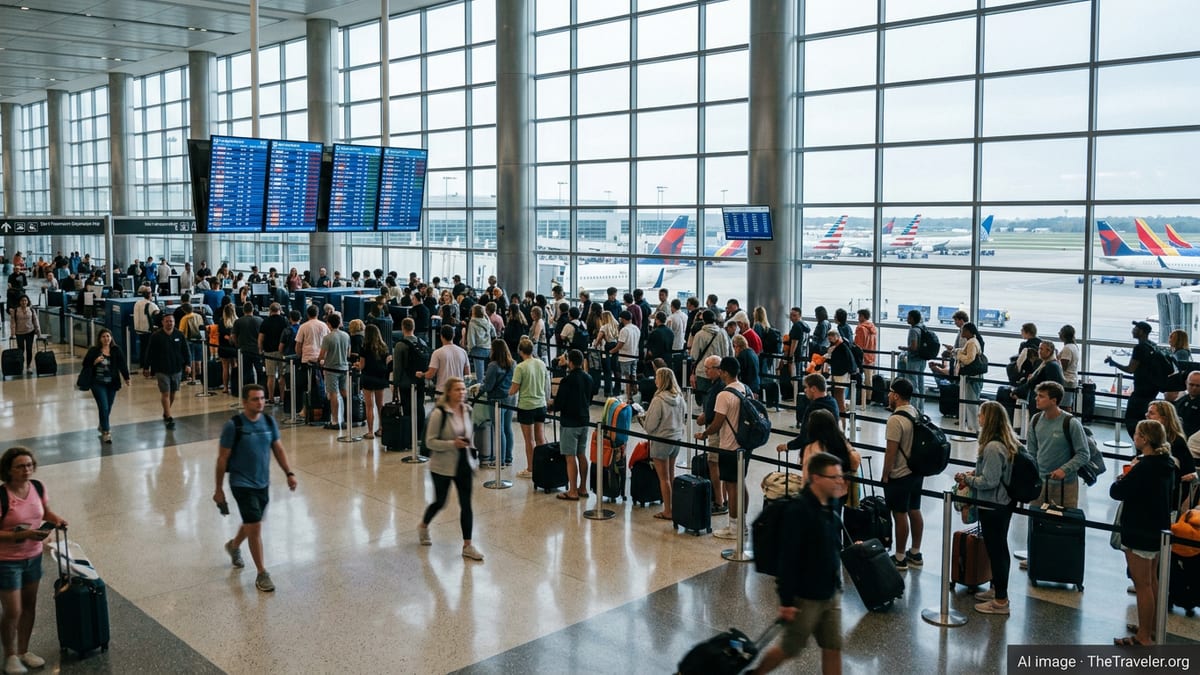
Forecasts Point to Busiest Spring Break on Record
Airlines for America, the trade group representing major U.S. carriers, projects roughly 171 million passengers will fly on U.S. airlines between March 1 and April 30, 2026, up about 4 percent from last year. That translates to an expected average of 2.8 million travelers per day, a figure that would make this the busiest spring break on record for the nation’s aviation system.
Carriers have scheduled approximately 26,000 flights a day in that window, offering an estimated 3.5 million seats daily to keep pace with demand. The surge reflects Americans’ continued willingness to spend on travel, especially to warm-weather destinations, even as airfares remain elevated in many markets.
Global trends support the bullish outlook. The International Air Transport Association reported that 2025 closed with record high passenger demand and load factors just under 84 percent, and that January 2026 traffic was already up 3.8 percent year-on-year, with a record high load factor for the month. The group expects global seat capacity to expand more than 5 percent by March, the fastest pace since 2024, setting the stage for crowded flights through the peak holiday weeks.
North American carriers have seen more moderate growth than some other regions, but they continue to operate near historically high load factors, leaving little slack in the system when holiday peaks arrive. With spring break demand layered on top of already-busy business and leisure corridors, airlines are preparing for consistently full cabins from coastal hubs to mid-continent connecting points.
Airlines Add Capacity While Wrestling With Constraints
To accommodate the expected crush, airlines are upgauging aircraft on popular routes, extending seasonal services and fine-tuning departure banks at major hubs. Larger narrow-body and wide-body aircraft are being deployed on high-demand leisure routes to Florida, the Caribbean and Mexico, while secondary airports in warm-weather states are seeing additional frequencies.
Yet even as they add capacity, carriers remain constrained by aircraft delivery delays, engine maintenance bottlenecks and tight labor markets. IATA has warned that supply chain problems for new aircraft and parts added more than 11 billion dollars in costs for airlines last year, forcing carriers to keep older aircraft in service longer and operate with thinner operational buffers.
Those constraints raise the stakes for on-time performance during a season when thunderstorms, late winter weather and congested skies can quickly ripple through tightly packed schedules. Airlines say they are building in more schedule resilience where possible, but acknowledge that recovery from disruptions may be slower when nearly every seat is already sold.
Some carriers are also rebalancing their networks ahead of the rush. Frontier Airlines, for example, plans to wind down operations at New York’s John F. Kennedy International Airport by April 2026, cutting several routes as part of a broader cost-saving plan. Moves like that may ease pressure at select airports but concentrate demand at others, adding to the complexity of managing peak-period operations nationwide.
Airports From Houston to Tampa Brace for the Rush
Large hub airports are bracing for sustained waves of travelers, often on top of major local events. Houston Airports expects roughly 2.2 million passengers to pass through George Bush Intercontinental and William P. Hobby between March 5 and March 16 alone, a 3 percent increase over last year’s already record-setting period. Officials there are highlighting newly expanded terminal space and additional security lanes aimed at keeping wait times in check.
Airport managers say investments made over the past year will be tested in the coming weeks. In Houston, the first spring break with a fully open new international terminal at Bush Intercontinental is intended to improve circulation from curb to gate, while an expanded ticketing lobby and more TSA lanes are designed to reduce bottlenecks at check-in and security.
Elsewhere, spring break projections are more mixed but still elevated. Tampa International Airport anticipates about 3.1 million passengers over a 40-day period from March 5 to April 13, slightly below last year’s total but still among its busiest seasons on record. Officials there are adding SkyConnect train capacity and encouraging travelers to pre-book parking as garages approach capacity on peak days.
Past seasons indicate the scale of what is coming systemwide. In 2025, Hartsfield-Jackson Atlanta International Airport set a local screening record during spring break, with the Transportation Security Administration processing more than 111,000 passengers in a single day. This year, TSA is warning travelers that similar or higher volumes are likely at major hubs, advising arrival at least two hours before domestic flights and even earlier for international departures.
Government Shutdown and Geopolitics Add Uncertainty
The travel surge coincides with a partial U.S. government shutdown that has raised concerns about staffing and service levels across the aviation system. While TSA checkpoints remain open, some workers are reporting to duty without pay, raising the risk of increased absenteeism and longer lines if the funding impasse persists into the heart of the spring break period.
Trusted traveler programs are also feeling the strain. While TSA PreCheck enrollment has resumed after a temporary pause, the Global Entry program remains largely suspended, potentially complicating arrivals for frequent international travelers just as demand spikes for beach and resort destinations abroad.
Beyond Washington’s budget fight, global conflicts and security concerns continue to shape travel patterns. The U.S. State Department has issued elevated advisories for several regions following recent military actions and unrest, prompting some airlines to reroute or cancel flights and leading a subset of travelers to substitute Caribbean or domestic destinations for higher-risk international locales.
Rising oil prices tied to geopolitical tensions are another wild card for the industry. Fuel is typically one of airlines’ largest expenses, and a sustained increase in prices could squeeze margins or lead to fare hikes later in the year. For now, carriers appear focused on maintaining capacity and capturing robust demand through spring, even if profit margins thin under pressure from fuel and labor costs.
Travelers Prioritize Experiences Amid Crowded Skies
Despite the possibility of longer lines, higher fares and busier terminals, demand indicators suggest Americans remain eager to get away. Industry surveys show a significant share of travelers expect to fly more over the next year and to devote more of their budgets to travel, with many citing a desire to prioritize experiences over goods.
Popular spring break searches continue to favor sun-soaked destinations, from Florida’s Keys and Gulf Coast to island getaways in the Caribbean. Some airports and tourism boards report particularly strong interest in Florida beach communities and cruise gateways, while others are seeing increased bookings to mountain resorts extending their ski seasons into late March.
For travelers, the combination of record volumes and tight airline capacity means planning ahead is more important than ever. Airlines and airports are urging passengers to book early, monitor their flights closely, allow extra time at security and immigration, and be flexible with dates and routing where possible to navigate what is shaping up to be one of the tightest spring break travel seasons in recent memory.
With the first major spring break departures only days away, the resilience of the U.S. air travel system will soon be put to the test. Airlines, airports and federal agencies are promising to keep passengers moving, but all acknowledge that success will depend as much on preparation and patience from travelers as on the industry’s own efforts behind the scenes.