

More news on this day
Major United States airlines are tightening internal rules on smart glasses and other wearable recording devices for employees, as carriers race to get ahead of growing privacy and legal risks posed by always-on cameras in airports and aircraft cabins.
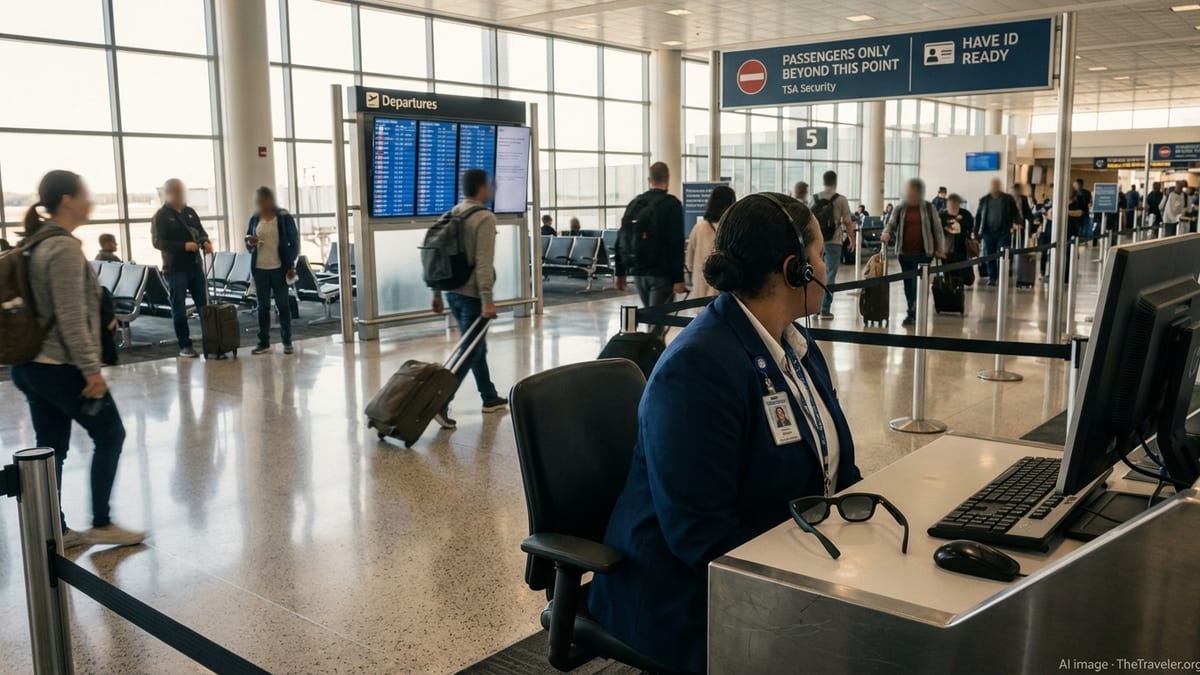
Southwest Policy Signals Industry Shift
Southwest Airlines became the latest major carrier to formalize a workplace ban on smart glasses and wearable recording devices for staff, in a memo circulated to employees and reported on March 1, 2026. The Dallas-based airline told workers they may not wear or use any device capable of discreet audio or video capture while on duty, whether on company premises or representing the airline off site.
The policy, which applies to corporate and frontline staff alike, explicitly targets emerging consumer products such as camera-equipped glasses, AI-enhanced eyewear and wireless earbuds that can record conversations. Traditional smartphones are still permitted, but their use remains governed by existing conduct and confidentiality rules.
Southwest framed the change as a proactive move to reinforce passenger trust and compliance with privacy and data-protection obligations at a time when wearable cameras are increasingly difficult to spot. Internally, managers have been instructed to treat violations as a potential security and policy breach, not a minor dress-code issue.
Although the memo stresses that customers are not covered by the new restriction and may continue to record within current guidelines, the airline’s decision effectively draws a bright line for employees between personal gadgets and any device that can quietly capture what happens at gates, check-in counters and inside aircraft.
Delta and Other Carriers Tighten Employee Recording Rules
Southwest’s update follows existing restrictions at some rival carriers, indicating a broader shift across the US airline industry. Delta Air Lines has already barred staff from using smart glasses on duty unless the equipment is issued directly by the airline for a specific operational purpose, such as training or maintenance diagnostics.
Labor representatives say more airlines are reviewing their codes of conduct and social media policies to address AI-enabled eyewear, noting that current rules on personal device use were drafted before mainstream products like Ray-Ban Meta glasses or other camera-equipped frames appeared on the market. Several industry attorneys describe the latest airline policies as an attempt to close a loophole created by consumer technology that can blend almost seamlessly with prescription lenses or standard sunglasses.
Carriers have not publicly detailed specific incidents that triggered the new rules, but union officials and aviation lawyers point to a rising number of viral videos recorded in travel settings and concern that similar footage captured by employees could expose airlines to lawsuits, regulatory investigations or labor disputes. For now, most measures focus on banning staff-worn recorders rather than outfitting crew with company-owned smart glasses.
Behind the scenes, compliance teams are testing how to enforce a rule that depends largely on trust. Managers must be able to distinguish between ordinary eyewear and models with hidden cameras, while still avoiding discriminatory or overly intrusive checks of employees as they report for duty.
Privacy, Consent and Legal Exposure in the Cabin
At the heart of the crackdown is a web of privacy and consent laws that make surreptitious recording by employees a particular flashpoint for airlines. Carriers routinely handle sensitive passenger information, including identification documents, payment details and medical disclosures shared with crew. A staff member wearing camera glasses at a check-in counter or galley could inadvertently capture that data and store it on a device or in a cloud service outside the airline’s control.
Legal analysts note that several US states, including California and Maryland, use so-called all-party consent rules for audio recording in many contexts, complicating any scenario in which an employee might capture passengers or coworkers without explicit agreement. New proposals in state legislatures, such as a California bill targeting secret workplace recordings with wearable devices, highlight how regulators are moving to address gaps exposed by smart glasses and similar technology.
Within aircraft cabins, the risk extends beyond documents to the behavior of passengers and crew. Video filmed in tight quarters can easily show children, intoxicated travelers or people experiencing medical events, any of which may be highly sensitive if shared or misused. Airlines worry that footage recorded on an employee’s personal eyewear could surface online in ways that appear implicitly sanctioned by the carrier, even if company policy forbids it.
Security professionals also warn that wearable cameras can reveal layouts of restricted areas, security protocols at boarding doors, and backstage staff routines. While such details may seem mundane, they can be valuable to those seeking to probe an airline’s vulnerabilities.
Smart Glasses Backlash Spreads Beyond Aviation
The aviation sector’s tightening rules on staff-worn cameras mirror a wider privacy backlash against smart glasses and AI-enabled wearables in other parts of the travel industry. Earlier this year, major cruise brands updated guest policies to restrict camera-equipped glasses in certain onboard areas, citing the risk of covert recording in pools, spas and entertainment venues.
On land, hospitality groups and tourism operators are weighing how to respond to devices that can quietly capture faces, conversations and room layouts in lobbies, lounges and private clubs. Some are consulting with legal counsel to clarify how existing bans on filming in restrooms, locker rooms or restricted staff spaces apply when cameras are embedded in everyday objects rather than obvious handheld devices.
Tech firms are facing pressure as well. Regulators and privacy advocates have criticized smart glasses with small or easily disabled recording indicator lights, warning that bystanders have little way of knowing whether they are being filmed. Digital rights groups argue that in crowded environments like airport security lines or gate areas, the proliferation of such devices risks turning routine travel into an experience of ambient, unconsented surveillance.
Consumer tools are beginning to emerge in response, including Android apps that attempt to detect nearby camera-equipped eyewear by scanning for Bluetooth signals. Although imperfect, these early counter-surveillance efforts underscore the unease many travelers feel about being recorded by strangers and staff alike.
What the New Rules Mean for Travelers and Staff
For passengers, the immediate impact of US airline bans on employee smart glasses is largely invisible. Most carrier policies continue to allow customers to use smartphones and personal cameras in terminals and on board, as long as filming does not interfere with safety procedures, crew instructions or the privacy of other travelers in obviously sensitive situations.
The greater change will be felt by airline workers, particularly in front-line roles that increasingly intersect with social media. Some crew members who previously used personal devices to document their workday for online platforms say they are reassessing what can be safely and lawfully shared. Unions have started reminding members that even seemingly harmless clips captured through wearable cameras can raise questions about consent, data security and the use of uniformed staff in sponsored content.
Airlines, for their part, are trying to balance privacy protections with operational needs. Training departments are exploring whether company-issued, tightly controlled recording tools can still be used for safety audits and instructional videos, while clearly separating them from personal gadgets that double as consumer electronics. Human resources teams are updating handbooks and briefing managers on how to handle suspected violations without overstepping into intrusive monitoring of employees’ off-duty lives.
As more devices capable of discreet recording arrive on the market, industry experts expect US carriers to continue refining bans on smart glasses and other wearables, and possibly to coordinate more closely with regulators. For now, the message inside many airline workrooms is simple: if it can quietly record passengers or colleagues, it should stay off your face and out of the cabin.