

More news on this day
Major US airlines have begun restoring flights to key Mexican tourist destinations after a weekend of cartel-linked violence that shut down air travel to parts of Jalisco and other states, leaving thousands of travelers stranded on both sides of the border.
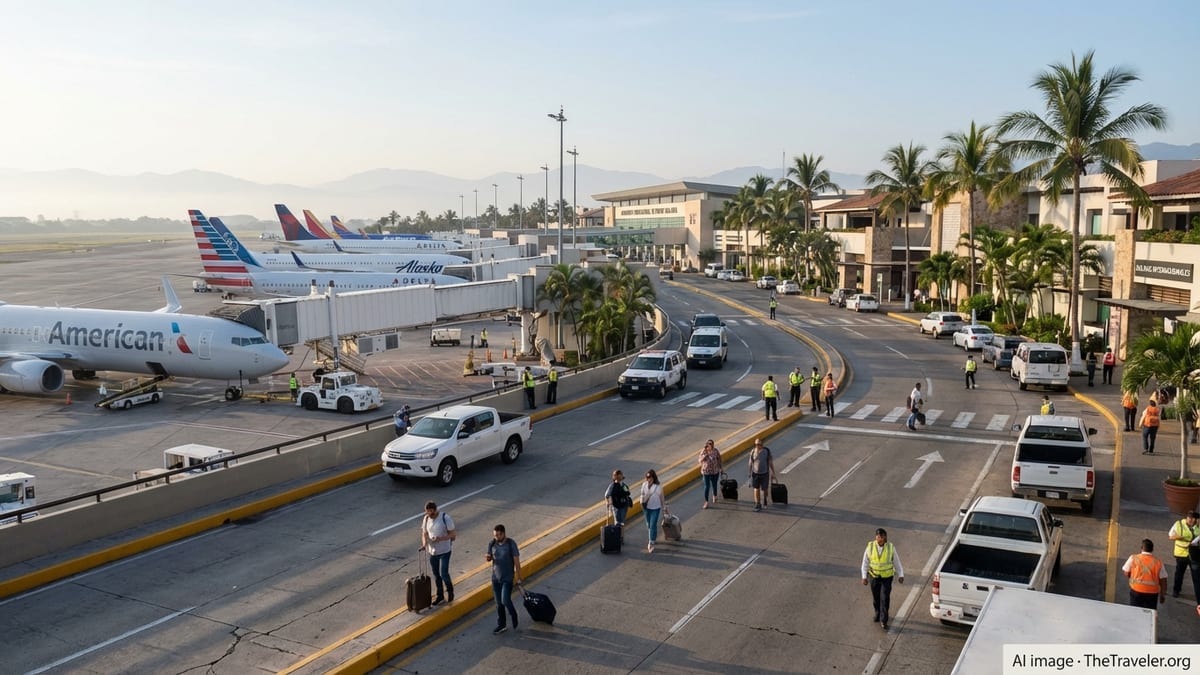
Flights Resume to Puerto Vallarta and Guadalajara
By Tuesday, February 24, a growing number of US carriers were operating again into Puerto Vallarta and Guadalajara, the two airports most affected by the unrest following the killing of Jalisco New Generation Cartel leader Nemesio “El Mencho” Oseguera Cervantes. Airlines that had halted or diverted flights on Sunday began phasing services back in as Mexican authorities reported that most road blockades had been cleared and airport access restored.
United Airlines, which had temporarily stopped service to both cities, began resuming flights late Monday, restoring links from major US hubs including Chicago, Denver and Houston. Delta restarted routes from Minneapolis, Detroit and Atlanta into Puerto Vallarta on Tuesday morning, while Southwest resumed service on its Denver to Puerto Vallarta route after canceling flights at the height of the violence.
Alaska Airlines, which on Sunday canceled two dozen flights to Puerto Vallarta, Guadalajara and Manzanillo, shifted to a restart posture on Tuesday, bringing back key leisure routes from Los Angeles and Seattle. American Airlines reported it was operating a full schedule at Puerto Vallarta and Guadalajara by Tuesday, and added extra sections with hundreds of additional seats to help clear the backlog of stranded passengers.
Industry trackers reported that operations remain thinner than normal, with some schedules trimmed and last minute time changes common as airlines balance demand, crew availability and security assessments. Travelers with upcoming departures to Jalisco are being urged to check flight status frequently on airline apps and to expect possible gate or timing changes even after flights are listed as operating.
Security Situation: Unrest Eases but Advisories Remain
The resumption of flights comes as Mexican authorities and US officials signal a partial easing of the security crisis triggered by the February 22 operation against El Mencho. Over the weekend, images circulated of burning vehicles, armed roadblocks and clashes with security forces in Jalisco and neighboring states, prompting the US government to urge citizens in affected areas to shelter in place and avoid road travel to airports.
By February 24, Mexican officials reported that the majority of roughly 250 road blockades had been dismantled and that no new road closures had been reported overnight in Jalisco. Thousands of additional soldiers and National Guard members have been deployed to stabilize the region, particularly along key highways serving Puerto Vallarta and Guadalajara’s airports. Local authorities say public transport and businesses are gradually returning to normal operations in major tourist zones.
Even with commercial flights returning, US officials continue to advise heightened vigilance. The State Department maintains a patchwork of advisories across Mexico, with Jalisco and several other states under stricter guidance than resort enclaves like Cancún and Los Cabos. Security experts warn that the death of a powerful cartel leader can create a power vacuum and internal disputes, raising the risk of further flare ups in the coming days or weeks.
For travelers, that means conditions at the airport and in resort corridors may feel relatively calm while underlying tensions persist out of view. Officials recommend minimizing nonessential travel by road at night, staying within well secured hotel zones, and following instructions from local authorities and hotel security teams as the situation evolves.
Flexible Policies and What Airlines Owe Stranded Travelers
In tandem with flight cancellations and gradual resumptions, US airlines have activated flexible travel policies for customers booked to the affected Mexican destinations. United, Delta, American, Southwest and Alaska have each issued waivers allowing passengers to change dates or routes on certain Mexico itineraries without typical change fees, as long as new travel begins within specified windows extending into early March.
For example, Delta has outlined a waiver for travel to or from Puerto Vallarta and Guadalajara covering trips disrupted between February 22 and 26, with reissued tickets required by March 7 and new travel beginning by the same date. United and other carriers are offering similar options, often allowing changes to any available flight between the same city pair and cabin, with fare differences waived if rebooked within the waiver period.
Separately from waivers, US regulations require airlines to provide cash refunds when a flight is canceled by the carrier, regardless of the cause. That means travelers whose Mexico flights were outright canceled and who choose not to travel are entitled to their money back for the unused portion of the ticket, not just vouchers or credits. Travel experts advise documenting cancellations, saving all communications from airlines and using official channels such as airline apps or websites to request refunds.
On the accommodation side, policies are more uneven. Some major hotel brands in resort areas have been allowing penalty free date changes or credits, while independent hotels and short term rentals often decide on a case by case basis. Airbnb has activated its policy for disruptive events in affected regions, which can allow refunds or modifications in certain circumstances, but travelers report mixed experiences. Keeping clear records and contacting properties promptly has been key for guests seeking flexibility as flight schedules stabilize.
What Travelers Should Do Now if They Have Mexico Plans
For travelers with imminent trips to Puerto Vallarta, Guadalajara or nearby destinations, the first step is to verify whether flights are indeed operating as scheduled. Schedules are changing quickly, so experts recommend using official airline channels rather than relying on third party booking sites or general search results. Signing up for real time text and email alerts can provide faster updates in the event of last minute gate changes or rolling delays.
Those who feel uneasy about traveling in the near term, but whose flights are still operating, should review their airline’s travel advisories for options. Some carriers allow voluntary changes with reduced or waived fees even when flights are not canceled, particularly in the immediate aftermath of major security incidents. If staying in Mexico, travelers are encouraged to keep their passports and travel documents readily accessible, maintain charged phones and backup power banks, and share itineraries with friends or family at home.
US citizens can also enroll in the Smart Traveler Enrollment Program, which allows embassies and consulates to send security updates directly and makes it easier for officials to contact travelers in an emergency. Officials recommend monitoring local news and following the guidance of hotel staff, tour operators and airport authorities, who often receive information on road closures and security operations ahead of the general public.
For those still deciding whether to book a trip, industry analysts suggest weighing the appeal of lower crowd levels and available seats against the possibility of renewed disruptions if cartel dynamics shift. While air service to Mexico’s major tourist gateways is largely back online, the recent unrest has underscored how quickly conditions can change, and how important it is for travelers to build flexibility and robust contingency plans into any international itinerary.