

More news on this day
A United States federal court has certified a shareholder class-action lawsuit against Boeing, accusing the aerospace giant of misleading investors about safety and financial risks tied to the 737 MAX crisis, a development that could carry significant implications for the global aviation and travel industries.
Get the latest news straight to your inbox!
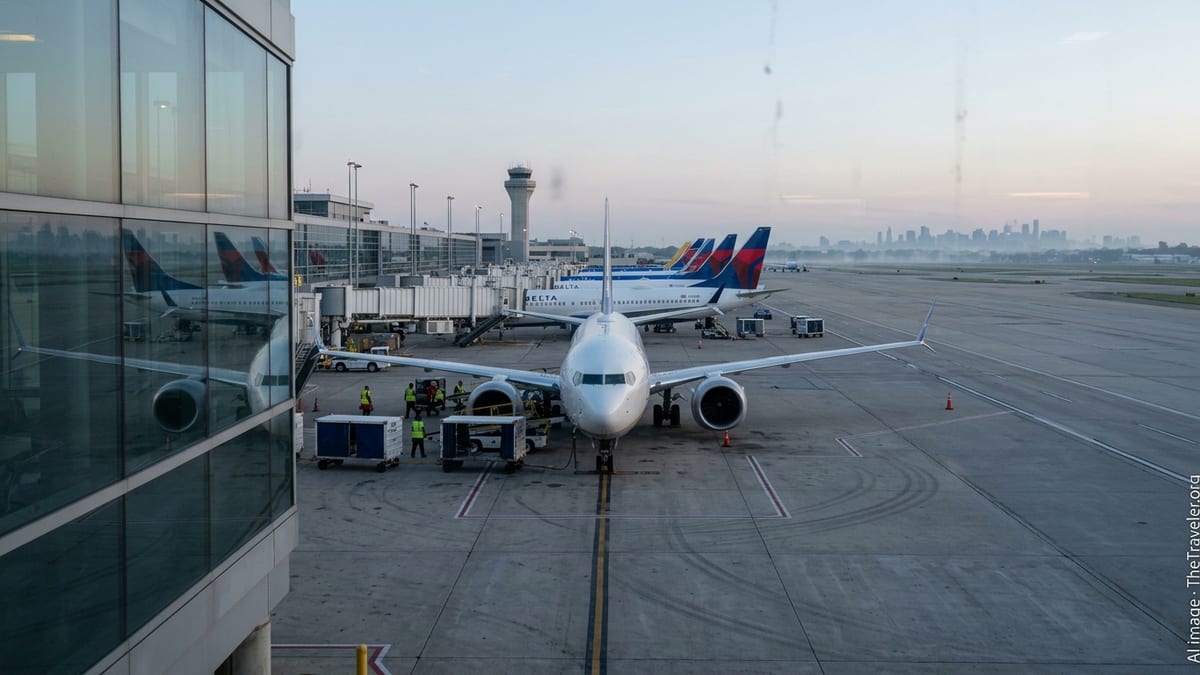
Class Certification Marks New Phase in 737 MAX Litigation
According to publicly available court filings and legal summaries, the securities case centers on allegations that Boeing misrepresented or failed to fully disclose safety issues and operational risks associated with the 737 MAX following two fatal crashes in Indonesia in October 2018 and Ethiopia in March 2019. Investors claim that such statements helped keep Boeing’s share price artificially high until the depth of the crisis became clear and regulators grounded the aircraft worldwide.
The newly certified class encompasses certain shareholders who purchased Boeing securities during a defined period after the first crash, when investigations were unfolding and questions about the aircraft’s flight-control software and certification process were intensifying. Class certification means the court has determined that common issues allegedly affecting these investors can be addressed together rather than through thousands of individual suits, a key procedural milestone in US securities litigation.
Legal analyses indicate that the plaintiffs argue Boeing’s public messaging around the 737 MAX, including its safety record, regulatory engagement and anticipated return to service, did not fully reflect internal awareness of design and certification challenges. Boeing has consistently denied that it intentionally misled investors, but the certification ruling allows the consolidated claims to move into more intensive discovery, motion practice and potentially a jury trial focused on liability and damages.
The case is being closely watched across the aviation and financial sectors because it tests how far investor protection laws can reach when safety failures in a complex industrial product spill over into markets and travel confidence worldwide.
Investor Allegations Focus on Safety, Disclosure and Market Impact
Public case materials show that plaintiffs contend Boeing’s statements to the market downplayed the role of its flight-control software and training assumptions in the two crashes, as well as the potential scope and duration of the global grounding. They argue that investors were reassured by optimistic commentary about the pace of fixes, certification progress and expected financial impact on production and deliveries.
As regulators and investigative bodies released more details about the crashes, including concerns over software design and pilot notification, the 737 MAX grounding stretched from weeks into months and eventually more than a year in several jurisdictions. Airline customers reworked schedules, deferred fleet plans and, in some cases, sought financial compensation. Plaintiff investors say each new disclosure helped unravel earlier market confidence in Boeing’s outlook, contributing to share-price volatility and long-term losses for those who bought stock at higher levels.
Reports on the litigation indicate that the certified class action frames these events through the lens of US securities law: whether Boeing’s public communications created a misleading picture for investors, regardless of subsequent efforts to redesign systems and cooperate with regulators. This focus distinguishes the case from passenger or family lawsuits that emphasize personal loss and physical harm, while still drawing on the same underlying history of design, certification and crisis management around the 737 MAX.
For Boeing, the suit adds another layer of financial and reputational risk at a time when the company is still working to stabilize production rates, reassure airline customers and navigate increased scrutiny from global aviation authorities.
Implications for Aviation, Airlines and Global Travelers
Although the shareholder case is centered on financial markets rather than ticketed passengers, the outcome could influence how aviation companies communicate about safety and operational challenges that directly affect travelers. Legal commentators note that the allegations target not only technical problems with the 737 MAX, but also how those problems were translated into public statements about reliability, delivery schedules and long-term fleet strategy.
Airlines around the world bet heavily on the 737 MAX for their short and medium haul networks, often designing route maps and capacity plans around promised fuel efficiency and operating economics. When the aircraft was grounded globally, carriers were forced to reshuffle fleets, lease alternate aircraft, and in some cases cancel or reduce routes. Those disruptions rippled through the travel ecosystem, altering passenger itineraries, connectivity at hub airports and tourism flows into key destinations.
Travel industry observers suggest that a robust shareholder case could further reinforce pressure on manufacturers to provide more granular, timely disclosures about safety reviews and certification milestones when problems arise. Airlines, in turn, may demand stronger contractual protections, clearer communication channels and more conservative delivery promises before basing growth strategies on a single aircraft family.
For travelers, the most immediate effect of the litigation is indirect. Increased legal and regulatory oversight of aircraft programs can support a culture where safety decisions are given priority over short-term financial metrics. At the same time, extended production or certification delays tied to stricter scrutiny can constrain global aircraft supply, potentially affecting fares and capacity on heavily traveled routes.
What Class Action Status Means for Boeing and Its Shareholders
Class certification does not decide whether Boeing is liable for securities fraud; instead, it sets the stage for common questions to be resolved for all class members together. Following certification, the parties typically move into deeper phases of document production, depositions and expert analysis on topics such as market efficiency, stock-price movements and whether specific disclosures corrected earlier alleged misstatements.
Legal coverage indicates that Boeing is expected to continue contesting both the merits of the claims and the scope of potential damages. Securities defendants often argue that broader market factors, unrelated corporate developments or macroeconomic conditions contributed to stock volatility, and that it is difficult to isolate the effect of any one disclosure on share price. Plaintiffs, by contrast, usually rely on financial experts to model how the market reacted when new information about the 737 MAX became public.
The case could eventually resolve through a negotiated settlement, a summary judgment ruling or, less commonly, a full trial. Any significant settlement or judgment would likely be covered in part by insurance, but it could also influence Boeing’s capital allocation decisions, from share buybacks and dividends to research investment and production ramp-ups, with downstream effects for suppliers and airline customers.
For institutional investors, including pension and retirement funds that hold Boeing shares as part of diversified portfolios, the litigation outcome may set an important precedent for how courts view corporate disclosures when complex safety and engineering issues collide with public markets. The case also underscores the role of long-horizon investors in pushing for stronger oversight of risk management in critical infrastructure sectors like aviation.
Broader Accountability Trends in the 737 MAX Era
The certified securities class action sits alongside a wider landscape of legal, regulatory and corporate governance responses to the 737 MAX crisis. Boeing has previously faced derivative litigation brought on behalf of the company against members of its board, as well as government enforcement actions and settlements related to its communications with regulators. Each proceeding examines a different slice of the same events, from oversight in the boardroom to technical decision-making and external disclosure.
For the travel sector, these overlapping actions highlight a broader shift toward multi-layered accountability in aviation: manufacturers can face not only safety investigations and passenger claims, but also shareholder suits that scrutinize what executives tell markets when critical safety questions are still being resolved. Analysts point out that this dynamic may extend beyond one company, shaping expectations for transparency across the aerospace industry.
As Boeing continues to deliver 737 MAX aircraft and airlines gradually expand their MAX fleets on popular domestic and international routes, traveler confidence remains an essential currency. Public information about the ongoing legal and regulatory process, including this newly certified shareholder case, is likely to feed into how passengers, pilots and corporate travel planners evaluate both the aircraft and the company behind it.
In the coming months and years, developments in the class action will unfold alongside Boeing’s efforts to modernize production, strengthen safety governance and meet resurgent demand for air travel. For a global industry that depends on trust, each court milestone adds another data point to the evolving narrative of how the 737 MAX crisis reshaped standards for corporate responsibility in aviation.