

More news on this day
American travelers and expatriates across the Gulf woke up this week to an extraordinary alarm from Washington, as the United States urged its citizens to “depart now” from Qatar, Bahrain, the United Arab Emirates, Jordan and Oman amid a fast‑escalating conflict with Iran that is reshaping travel across the Middle East.
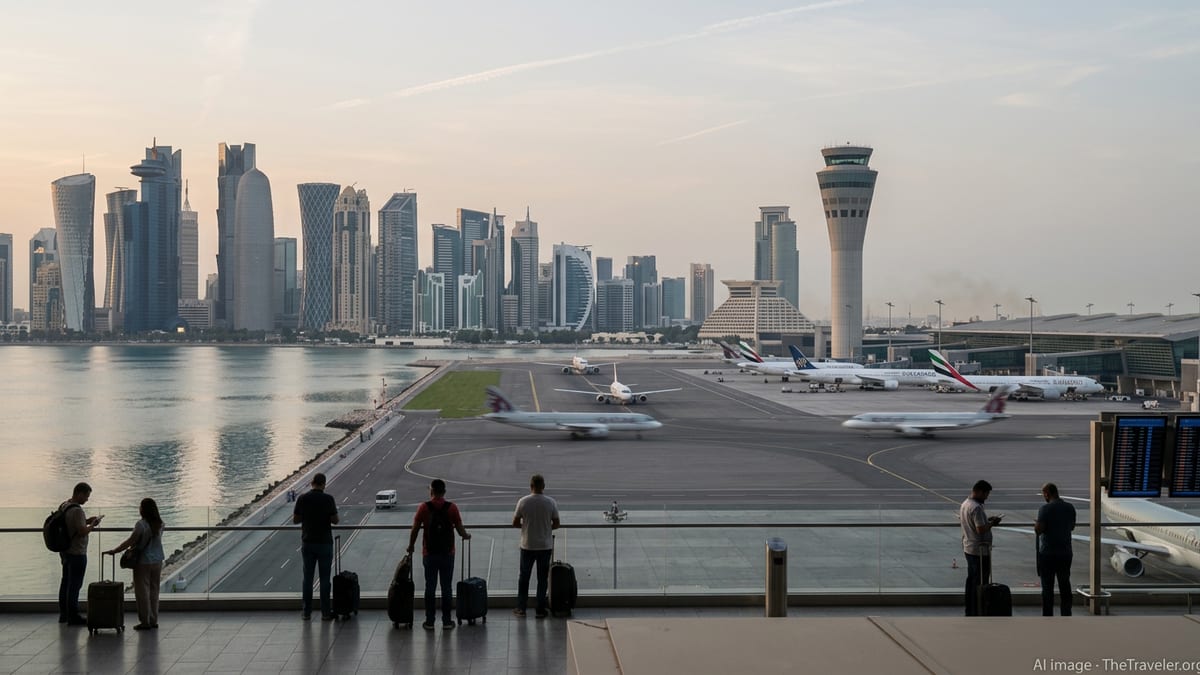
How the US ‘Depart Now’ Advisory Came Together
The unprecedented advisory was formalized in a US State Department security update issued on March 2, warning Americans in 14 Middle East countries to leave immediately using commercial flights where available. Among them are key Gulf hubs and tourism destinations: Qatar, Bahrain, the UAE, Oman and Jordan. The language is unusually stark, citing “serious safety risks” linked to the rapidly widening confrontation between the United States, Israel and Iran.
The alert follows days of missile and drone strikes across the region, including reported attacks on or near US diplomatic and military facilities, as well as closures or restricted operations at several US embassies. Non‑emergency American staff have been ordered to depart from multiple posts, while many consular sections have suspended routine services. For private travelers, the guidance is blunt: leave on any viable commercial route, and do so quickly.
Officials emphasize that the advisory is not country‑specific in its warning tone. Instead, it reflects a regional risk picture in which Iran and allied groups could target US interests, aviation infrastructure, or crowded public places with little notice. That calculus has pushed once‑stable destinations such as Doha, Dubai and Muscat into the same highest‑risk category as front‑line states directly involved in the fighting.
Qatar’s Pivotal Role and Rising Tensions
Qatar, long a critical US ally and host to the sprawling Al Udeid Air Base, has found itself at the center of the crisis. The base, a cornerstone of American air operations across the Middle East, has previously been the focus of Iranian threats and was struck during earlier rounds of tensions. As US‑Israeli operations against Iran intensify, the presence of major American assets on Qatari soil makes the country a potential target in any retaliatory calculus.
For travelers, Doha’s position as a major global aviation crossroads magnifies the impact of the advisory. Hamad International Airport is one of the world’s busiest long‑haul hubs, linking North America and Europe with Asia and Africa. Even partial disruptions to Qatari airspace, or a wave of cancellations by foreign carriers wary of overflying conflict zones, would send shockwaves through global networks, stranding passengers far beyond the region itself.
Qatari authorities have responded by heightening security and coordinating closely with international aviation bodies, while state‑linked carriers monitor evolving overflight restrictions and potential route diversions. So far, operations in Doha have continued, but the US warning has prompted many American residents and tourists to reassess their plans and, in some cases, scramble for the few remaining outbound seats.
Bahrain and the UAE: Financial Hubs Under New Strain
Bahrain and the United Arab Emirates occupy a unique place in Washington’s calculations. Both host important US military facilities and are tightly integrated into regional air defense and maritime security frameworks. Their skylines and waterfronts, from Manama to Dubai and Abu Dhabi, are also emblematic of modern Gulf prosperity, drawing millions of business travelers and holiday‑makers every year.
In recent days, their dual role as financial safe havens and strategic outposts has become a liability. The US warning underscores concerns that high‑profile skylines, ports and airports could be affected by direct attacks, miscalculation, or spillover incidents such as errant missiles and drone debris. Insurance premiums for airlines and shipping companies transiting the Gulf are already edging higher, while some carriers have temporarily reduced frequencies or rerouted flights to avoid congested or potentially vulnerable air corridors.
For visitors currently in Dubai, Abu Dhabi or Manama, the practical impact varies by neighborhood and travel plan. Glitzy resort districts and shopping malls remain open, but a heavier security presence, intensified screening and more frequent public alerts are now part of the urban landscape. American travelers are being urged to avoid demonstrations, stay clear of diplomatic compounds and critical infrastructure, and maintain flexible itineraries in case of sudden airport disruptions.
Jordan and Oman: Traditionally Stable Gateways on Alert
Jordan and Oman have long marketed themselves as calm, culture‑rich alternatives to more volatile neighbors, offering archeological treasures, desert adventures and coastal escapes that attract discerning travelers. The US advisory sweeps them into the same high‑risk category as front‑line conflict zones, upending the perception of these countries as reliably safe staging grounds for wider regional exploration.
Jordan has felt the shock most directly. The US Embassy in Amman has drawn particular attention after staff departures and temporary closures related to security concerns. With the kingdom bordering both Iraq and Israel, officials fear that protests, cross‑border fire or militant activity could quickly spiral, particularly around diplomatic sites or major transit hubs. Tour operators have reported a surge in cancellations for Petra, Wadi Rum and Dead Sea itineraries, even as local authorities stress that tourist areas remain under tight protection.
Oman, historically known for quiet diplomacy and a cautious foreign policy, has been swept into the advisory largely due to its geographic proximity to vital sea lanes and the potential for naval incidents in the Gulf of Oman and the Strait of Hormuz. Coastal cities such as Muscat and Salalah have not witnessed major unrest, but hoteliers report concerned calls from overseas guests, many of whom are now weighing whether to cut trips short as airline schedules fluctuate.
What Travelers Should Expect in the Coming Days
For Americans and other foreign nationals in Qatar, Bahrain, the UAE, Jordan and Oman, the biggest immediate challenge is logistics. As airlines continuously adjust their operations in response to security assessments and shifting airspace permissions, flight schedules are in flux, with services canceled or consolidated on short notice. Some carriers have moved to nighttime departures or altered routings to avoid overflying areas considered at higher risk of missile or drone activity.
Travel advisors recommend that passengers keep multiple options open: monitoring airline apps and airport announcements, checking with travel insurers about coverage for security‑related disruptions, and being prepared to reroute via secondary hubs in Europe, Africa or South Asia if nonstop connections disappear. Travelers are also being urged to travel with extra medications and essentials in carry‑on luggage, given the growing likelihood of delays, diversions or overnight layovers.
In the background, regional governments are attempting to balance their own security postures with an imperative to keep trade and tourism flowing. While none of the affected Gulf states have announced blanket bans on outbound travel, they remain alert to the possibility that further escalations in the Iran conflict could force sudden closures of parts of their airspace or ports. For now, the message to foreign visitors is cautious but clear: stay informed, stay flexible and be ready to move quickly if the situation shifts.