

More news on this day
The United States has tightened travel guidance for Nigeria, putting the West African giant in sharper focus alongside countries such as Mali, Burkina Faso, Haiti, Somalia, Niger and Myanmar, as Washington warns travelers about escalating terrorism, gang violence and spreading regional conflicts.
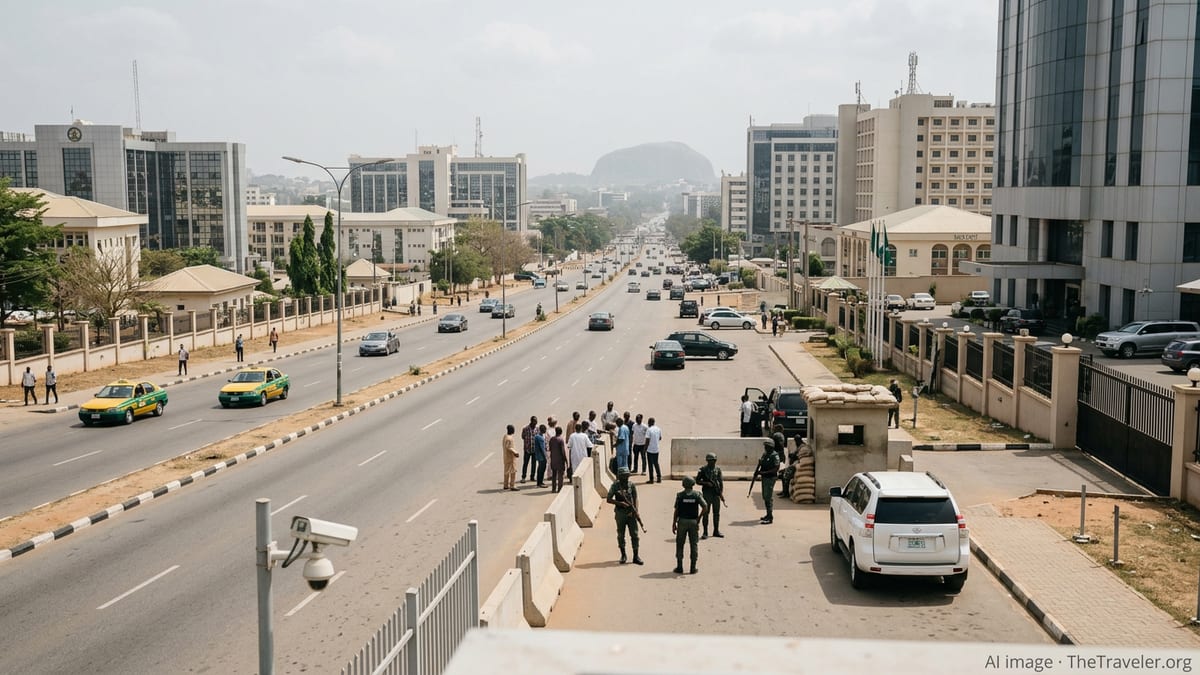
New Worldwide Caution Meets Country-Specific Alerts
The latest signal from Washington came on February 28, 2026, when the US State Department issued a worldwide caution advising citizens to exercise increased vigilance amid rising geopolitical tensions, heightened terrorism risks and the potential for sudden airspace closures. The move, coming just days after US and allied strikes in the Middle East, underscores concern that Americans and locations they frequent could be targeted far from traditional conflict zones.
On top of the global message, the State Department has sharpened language and enforcement around a cluster of high-risk destinations. Countries such as Mali, Burkina Faso, Haiti, Somalia, Niger and Myanmar are already listed at the highest Level 4 “Do Not Travel” due to overlapping threats including terrorism, kidnapping, armed conflict and state fragility. In parallel, a separate Trump administration travel ban regime has added several of these same states to a list of countries subject to severe entry restrictions, explicitly citing terrorism and security screening concerns.
For travelers, the dual-track approach means that even if flights still operate, visiting some destinations now carries both strong discouragement and the possibility of follow-on complications, from sharply limited consular support to secondary screening on return. The pattern is increasingly clear: when countries slide into protracted conflict, Washington responds with layered warnings designed to deter most non-essential trips.
Nigeria: Level 3 Advisory Amid Deadly Attacks
Nigeria currently sits at Level 3 on the State Department scale, a designation that urges travelers to reconsider travel because of crime, terrorism, civil unrest, kidnapping, armed gangs and health system constraints. Within that national rating, several northern and northeastern states, including Borno, Yobe, Kogi and parts of Adamawa, remain flagged as Level 4 no-go areas due to active insurgencies and frequent militant attacks.
The risk assessment is not theoretical. In recent weeks, Nigeria has grappled with a string of high-profile incidents, including Boko Haram and Islamic State-aligned assaults in Borno and a large-scale attack on villages in Kwara State that left scores of civilians dead. Security analysts say extremists continue to target roads, markets, rural communities and infrastructure projects, seeking to undermine state authority and intimidate local populations.
Against this backdrop, the United States has stepped up security coordination with Abuja. A small contingent of US military advisers is now in the country, focusing on intelligence, training and capacity-building rather than direct combat operations, according to Nigerian officials. Washington’s latest travel guidance effectively warns Americans that while Nigeria is working with international partners to push back militants, the threat environment remains volatile and can shift quickly.
Fresh Embassy Alert in Abuja Highlights Urban Risks
The broader advisory framework was reinforced this week by a targeted security alert from the US Embassy in Abuja. In a notice to citizens on March 4, embassy officials warned of the possibility of protests in the capital and announced the cancellation of all routine visa appointments for the day. The mission advised Americans to avoid large gatherings, review personal security plans and remain aware of their surroundings.
While the alert did not cite a specific terrorism plot, it reflects concern that demonstrations in Nigeria’s political and commercial hubs can escalate rapidly, sometimes drawing in security forces and armed groups. Previous embassy messages have urged US citizens to avoid high-profile sites such as military facilities, major religious venues and locations associated with Western interests, all viewed as potential targets for extremists or opportunistic criminals.
For travelers already in Nigeria, the embassy’s tone is clear and practical. Citizens are encouraged to register their presence with the State Department, keep phones charged, identify multiple exit routes from buildings and vary daily routines to make surveillance more difficult. Even in districts of Abuja and Lagos that feel comparatively stable, officials stress that the security picture can change with little warning.
High-Risk Peers: Sahel to Caribbean and Horn of Africa
Nigeria’s recalibrated risk profile places it in a wider constellation of fragile states where Washington now strongly discourages or outright warns against travel. In the Sahel, Mali, Burkina Faso and Niger have endured successive coups, spiraling jihadist violence and the withdrawal of Western forces, prompting a convergence of Level 4 advisories and, in many cases, the suspension of routine consular services. Travelers who ignore official guidance may find key border crossings closed, flights disrupted and local authorities stretched thin.
Far from West Africa, Haiti remains one of the starkest examples of a once-popular destination now effectively off the tourism map. US officials advise against all travel as gang violence and kidnappings paralyze large parts of Port-au-Prince and surrounding areas, and as the local state struggles to maintain control. Somalia, meanwhile, faces persistent attacks by Al Shabaab and other armed groups, with foreigners, hotels and government compounds frequently singled out.
In Asia, Myanmar’s post-coup conflict has turned swaths of the country into active war zones, with air strikes, roadblocks and internet blackouts complicating any form of overland travel. Taken together, these cases illustrate how terrorism risks are increasingly intertwined with broader governance crises: weak institutions, contested territories and economic collapse create space in which militant networks and organized crime can thrive.
What Travelers Should Do Now
For US citizens planning international trips in 2026, the message from Washington is not to avoid travel altogether but to treat risk assessment as an essential first step. Officials urge travelers to consult the State Department’s country-by-country advisories before booking, paying close attention not only to national ratings but also to subnational warnings that carve out specific high-risk regions inside otherwise accessible countries.
Experts also recommend layering information sources, from reputable news outlets and nongovernmental security reports to on-the-ground updates from airlines and local partners. When itineraries include or border high-risk countries such as Nigeria, Mali, Burkina Faso, Somalia, Niger, Haiti or Myanmar, contingency planning becomes crucial: travelers should consider flexible tickets, comprehensive medical and evacuation insurance, and clear communication plans with family or employers.
Ultimately, the clustering of Nigeria with some of the world’s most fragile states in recent US guidance reflects a more fragmented global map for travelers. The traditional divide between “war zones” and “holiday spots” is blurring, and regions once seen primarily as emerging tourism markets are now being recast as security flashpoints. For anyone heading abroad, especially to or through West Africa and other high-risk regions, understanding that shift is now part of traveling responsibly.