

More news on this day
New research into US family travel shows cruises are rising as a preferred all-in-one vacation, with multi-generational groups and millennial-led families driving demand for a handful of standout lines this year.
Get the latest news straight to your inbox!
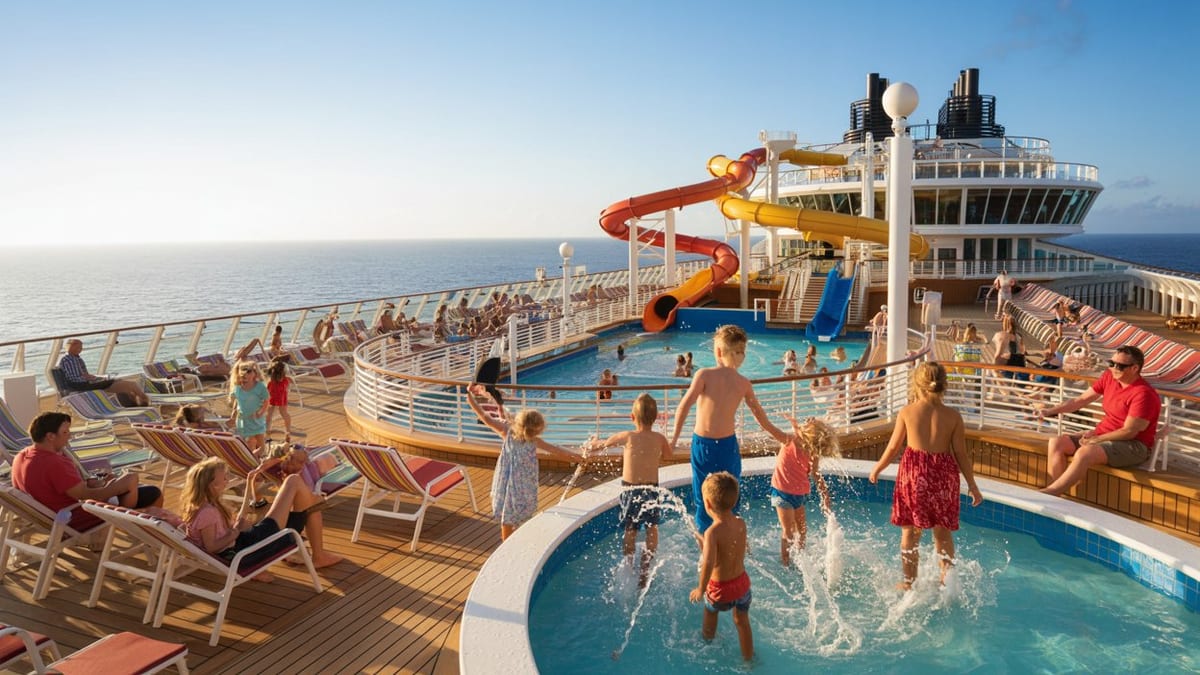
Image by Travel And Tour World
Families Turn to Cruises for All-In-One Vacations
Recent industry data indicates that US travelers are embracing cruises as an efficient way to bring extended families together. Research cited by the Cruise Lines International Association points to continued growth in passenger numbers over the next several years, with a notable share of guests traveling with three or more generations. At the same time, family-travel surveys show parents are increasingly likely to plan trips that include grandparents, older teens and young adults, pushing demand for ships that can cater to very different ages without sacrificing convenience.
Analysts note that value and predictability are major factors for households coping with higher everyday costs. With lodging, most meals and a wide range of entertainment included in a single fare, cruises are emerging as a way for families to lock in vacation budgets while still accessing beaches, cultural sights and theme-park style attractions. Private island developments in the Caribbean and Bahamas, where water parks, beaches and kids clubs are folded into the cruise experience, are a particular draw for parents seeking contained, easy-to-navigate environments.
Family travelers are also reshaping when and how they cruise. Reports show growing interest in shoulder-season sailings that avoid peak crowds, as well as a rise in shorter three to five night itineraries that fit school calendars or allow first-time cruisers to test the waters. At the same time, multi-week trips to Alaska and Europe remain popular with families marking milestones, such as graduations or anniversaries.
Disney Cruise Line Holds Its Lead With Immersive Family Experiences
Disney Cruise Line continues to set the benchmark for family-focused cruising, consistently ranking at or near the top of independent lists of best cruise lines for families. Travel rankings and specialist blogs for 2025 and 2026 point to Disney’s character-driven entertainment, rotational dining and high staff-to-guest ratios as key reasons parents are willing to pay a premium. Many reviewers highlight the line’s ability to engage toddlers, school-age children and teens at the same time, allowing adults to enjoy quieter spaces while younger guests are occupied in supervised clubs.
Fleet growth is keeping Disney prominent in family travel discussions this year. Newer Wish-class ships have expanded water play zones, themed dining rooms and shows built around blockbuster films, making them a frequent recommendation for first-time cruisers with young children. Coverage of recent ship launches also notes that the line is refining adults-only areas and specialty dining, acknowledging that many guests onboard are multi-generational groups that include grandparents and adult siblings traveling together.
Disney’s dedicated private destinations in the Bahamas further solidify its family appeal. Public information on these islands highlights sheltered lagoons, family beaches and structured kids’ activities that mirror the ships’ programming. For US families comparing options, these stops are often described in consumer guides as a key differentiator, offering a day that feels similar to a theme-park visit but with far less logistical effort.
Royal Caribbean and Carnival Compete With Mega-Ship Thrills
Alongside Disney, Royal Caribbean and Carnival feature prominently in recent rankings of best cruise lines for families, reflecting a broader shift toward resort-style mega-ships. Travel advisory sites and awards lists for 2025 identify Royal Caribbean’s newest vessels as standouts for multi-age groups, citing features such as multi-story water slides, surf simulators, splash parks and expansive sports decks. Oasis- and Icon-class ships frequently appear in consumer roundups as strong choices for families seeking a high-energy experience with extensive activity options.
Carnival, meanwhile, remains a major player for budget-conscious US households. Member surveys from cruise-review platforms show Carnival ships regularly earning high marks for kids clubs, casual dining and entertainment value, even as the line faces more competition in the family segment. Newer Carnival ships with roller coasters, ropes courses and branded children’s programs are often singled out as particularly well suited for US families booking out of Florida and Texas homeports.
Both brands are also investing heavily in private-island offerings, a trend highlighted in industry presentations tracking cruise development. These beach-day extensions give families access to water parks, zip lines and shallow swimming areas within a controlled environment, reducing the need to book third-party excursions and simplifying safety considerations for parents with multiple children.
Rising Interest in Multigenerational and “Grown-Up” Family Cruises
Family travel associations and tourism researchers report that multigenerational trips are one of the fastest-growing segments in leisure travel. Surveys conducted in 2024 and 2025 suggest that more than half of families are planning vacations that include grandparents or extended relatives, and a large majority of parents say they are likely to travel with older children in their late teens and twenties. Commentators note that these “grown-up family” trips now extend well beyond traditional theme-park visits, with cruises emerging as a favored format because they combine independence with shared experiences.
This shift is visible in booking patterns, where longer itineraries in Alaska, Europe and the South Pacific are attracting adult siblings and parents who want to spend time together without the stress of managing daily logistics. Reports indicate that some families are specifically choosing ships with a balance of quiet lounges, enrichment lectures and spa facilities alongside water parks and kids clubs, allowing different generations to shape their own days before coming together at dinner or for evening shows.
For US families who once defaulted to renting large vacation homes, the appeal of a cruise now often lies in its built-in structure. Travel commentary points to the ease of assembling large groups, the absence of cooking and cleaning duties, and the ability to adapt onboard spending according to individual budgets. This has prompted more lines traditionally associated with older demographics to highlight family-friendly programming, including expanded youth spaces and interconnecting cabins.
New Ships and Evolving Amenities Shape Choices for 2026
Looking ahead through the remainder of 2026, a wave of new or recently introduced ships is expected to keep pressure on cruise lines to differentiate their family offerings. Industry news tracks vessel deliveries that bring larger adventure zones, expanded family suites and upgraded digital tools for planning and communication. For parents, these additions translate into more options for multi-room accommodations, simplified check-in processes and the ability to reserve activities from mobile devices.
Several travel-advisory rankings published in early 2026 emphasize that the “best” line for a family now depends heavily on children’s ages and travel style. Disney and Royal Caribbean are frequently cited as top picks for families seeking immersive theming and big-ship thrills, while Carnival is recommended for value-oriented households who prioritize casual fun. Other brands, including MSC Cruises and Norwegian Cruise Line, appear more often in guides for families interested in international departures or a blend of European and North American atmospheres onboard.
With cruise demand expected to keep climbing and more first-time cruisers entering the market, analysts say lines are likely to continue refining family offerings through the decade. For US households weighing where to sail next, that competition is translating into more choice, more tailored experiences by age group and a growing number of ships explicitly designed with extended families in mind.