

More news on this day
Thousands of airline passengers across the United States faced mounting frustration on April 5 as at least 109 flights were canceled and more than 700 delayed, snarling travel through major hubs in New York, Georgia, California, and Texas and heavily affecting Delta Air Lines, United Airlines, and American Airlines.
Get the latest news straight to your inbox!
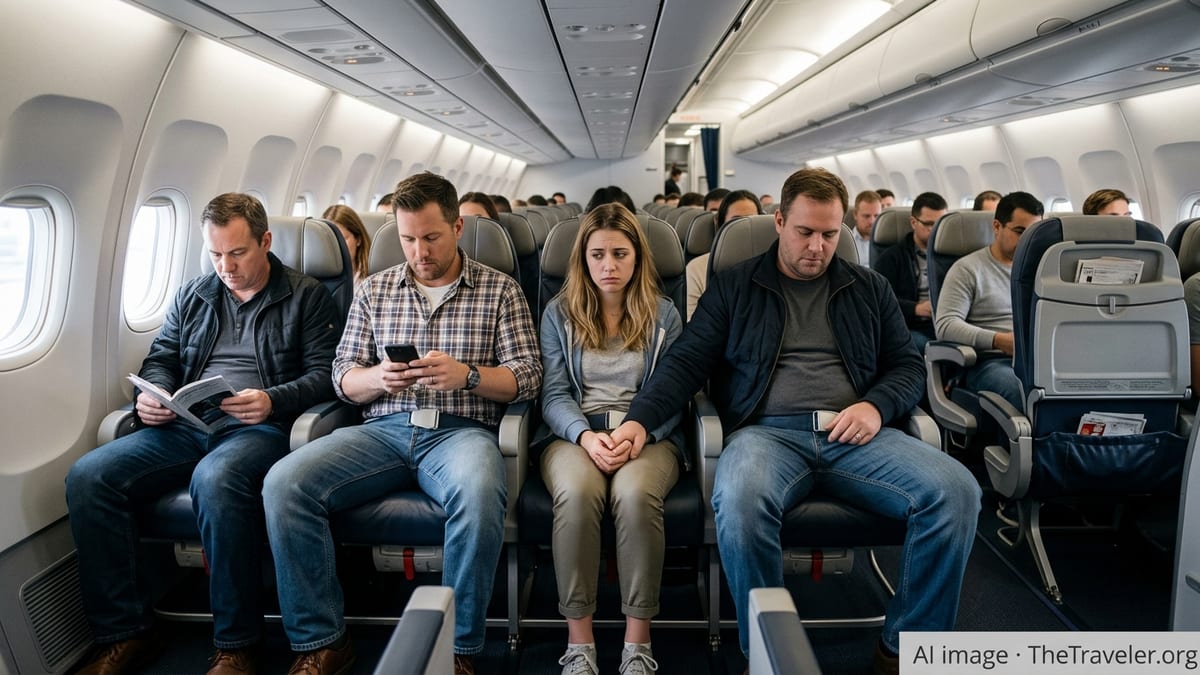
Nationwide Totals Signal Another High-Disruption Day
Flight-tracking dashboards for April 5 indicate that U.S. airports are enduring another intense disruption cycle, with at least 109 cancellations and 709 delays recorded nationwide by midday. While the figures are lower than some of the recent storm-driven meltdowns that produced several hundred cancellations in a single day, they still represent a major setback for spring travelers hoping for a smoother weekend.
Publicly available data and industry summaries show that the latest round of disruption is concentrated in large coastal and Sun Belt gateways, including New York area airports, Atlanta in Georgia, key hubs in California such as San Francisco, and major airports in Texas. These nodes serve as critical connecting points for domestic and international traffic, meaning relatively modest cancellation totals can ripple outward, creating rolling delays for hours.
Travel-focused outlets and aviation analytics platforms note that the current pattern fits a broader early April trend in which delays far outnumber outright cancellations. On some recent days, totals have climbed into the hundreds of cancellations and several thousand delays, underscoring how even when flights still operate, they are often running significantly behind schedule.
For travelers, the practical impact is similar whether flights are canceled or subject to long delays. Missed connections, disrupted hotel plans, and lost vacation time are recurring themes at terminal gates, as passengers queue for rebooking or attempt to switch to less affected routes.
Major Carriers Among Those Most Affected
Delta Air Lines, United Airlines, and American Airlines rank among the most affected carriers in the latest disruption wave, according to flight-status aggregators and media reports. As the country’s three largest network airlines, each runs dense schedules through New York, Georgia, California, and Texas, making them particularly vulnerable when congestion or weather issues arise at those hubs.
Data published in recent days on large disruption episodes highlights how often these carriers feature at the top of cancellation and delay tables simply because of their size and reliance on busy connecting airports. Reports on previous early April disruptions, including those centered on Chicago, Dallas, Houston, Los Angeles, and New York, show United, American, and Delta consistently appearing with elevated numbers of delayed departures and arrivals.
Regional and partner airlines feeding the big three networks have also been caught in the turbulence. Operators such as SkyWest, Republic, Envoy, and PSA, which fly under the banners of major carriers, have recently logged dozens of cancellations and hundreds of delays when weather, airspace constraints, or knock-on operational issues hit primary hubs. Those same dynamics are in play as today’s figures build.
For investors and industry analysts, the repeated appearance of the same large brands on disruption tallies is a reminder of how fragile complex hub-and-spoke systems can be. Even when overall cancellation rates remain relatively low compared with historic winter storm events, the concentration of delays at a few big carriers and airports can strain customer loyalty and increase short-term operating costs.
Key Hubs in New York, Georgia, California, and Texas Under Pressure
New York’s major commercial airports, particularly LaGuardia and Newark, have once again featured in disruption summaries as early April traffic ramps up. Reports indicate that weather variability and congested airspace in the Northeast continue to challenge on-time performance, with relatively minor schedule perturbations quickly turning into rolling queues of delayed departures.
In Georgia, Hartsfield-Jackson Atlanta International Airport, one of the world’s busiest hubs and Delta’s primary base, has been a recurring focal point in disruption coverage this week. Previous tallies from early April listed dozens of delays at Atlanta alone, with Delta, regional partners, and several international carriers all experiencing schedule slippage. Today’s national figures suggest that Atlanta remains a significant pressure point in the system.
On the West Coast, California’s large gateways such as San Francisco International are also feeding into the nationwide totals. Recently compiled route and delay data shows that transcontinental corridors between California and New York, as well as links from San Francisco into southeastern hubs, are particularly vulnerable when weather or congestion affects either end of the route. Delays on these long sectors can consume aircraft and crew time for the rest of the day.
Texas, meanwhile, continues to see disruption at airports including Dallas and Houston. Separate reports for April 5 highlight how Dallas Love Field alone has logged more than one hundred delays and a dozen cancellations, with spillover visible across routes to Atlanta, Orlando, Houston, and Midwestern cities. Flight-status trackers and financial news coverage describe Texas as a key stress zone, with both local storms and national congestion converging on the state’s major hubs.
Weather, Congestion, and Knock-On Effects Behind the Numbers
While each individual delay or cancellation can have a unique cause, publicly available updates from airlines and flight-data providers point to a familiar mix of factors driving today’s 109 cancellations and 709 delays. Unsettled spring weather across parts of the eastern United States has triggered ground delay programs and capacity reductions at several major airports, particularly in the Texas corridor and the Southeast.
Thunderstorm activity, low clouds, and shifting wind patterns can significantly limit the number of arrivals and departures airports can safely handle per hour. When that happens at a large hub, airlines must thin schedules, hold aircraft on the ground, and reroute traffic, often with little warning. Even when storms move on, it can take hours for the network to absorb backed-up flights, leading to rolling delays throughout the day.
Congestion in busy airspace sectors and chronic staffing constraints in some parts of the aviation system are also identified in recent coverage as contributing factors. With passenger volumes at or above pre-pandemic levels in many markets, there is less slack in the system to absorb late-arriving aircraft or extended turn times on the ground. What once might have been a minor schedule hiccup can now translate quickly into a missed connection or a cancellation.
Analysts note that the pattern emerging in early April reflects a delay-heavy environment where flights are more likely to operate but arrive late, rather than being canceled outright. For airlines, this may limit the headline cancellation numbers while still imposing significant cost in the form of overtime, repositioning of crews and aircraft, and customer-care expenses such as meal vouchers and hotel accommodations.
What Travelers Can Expect for the Remainder of the Weekend
With hundreds of delays already recorded and cancellation totals inching upward, aviation forecasters expect continued uneven operations through the remainder of the weekend travel window. The extent of additional disruption will largely depend on how weather systems evolve over key hubs in Texas and the Southeast, as well as how quickly airlines can realign aircraft and crews that were displaced earlier in the day.
Public advisories from major carriers and flight-information services emphasize that schedules remain subject to change, encouraging passengers to monitor flight status closely on airline apps or airport information screens. The experience of this week suggests that even flights initially marked as on time can slip into delay as congestion builds, particularly during afternoon and evening peaks.
Consumer advocates and transportation specialists frequently stress that U.S. rules give passengers clear options when flights are canceled or significantly delayed, including the ability to request refunds on unused tickets in cases where airlines cancel a service outright. In practice, many travelers still opt for rebooking to maintain their plans, but the legal right to a refund can be an important fallback when alternate flights are days away or involve substantial rerouting.
For now, the combination of 109 cancellations, 709 delays, and ongoing operational strain at major hubs in New York, Georgia, California, and Texas serves as another reminder that early spring remains a volatile period for U.S. air travel. Passengers planning to fly in the coming days may find that building extra time into connections, traveling with carry-on baggage where possible, and staying flexible on routing can help navigate an increasingly disruption-prone network.