

More news on this day
Air travelers across the United States are facing another day of widespread disruption as major hubs including Atlanta, Boston, Chicago, Dallas, Houston, Los Angeles and New York report 135 cancellations and 1,910 delays, snarling operations at Delta Air Lines, American Airlines, United Airlines, Spirit Airlines, JetBlue and other carriers.
Get the latest news straight to your inbox!
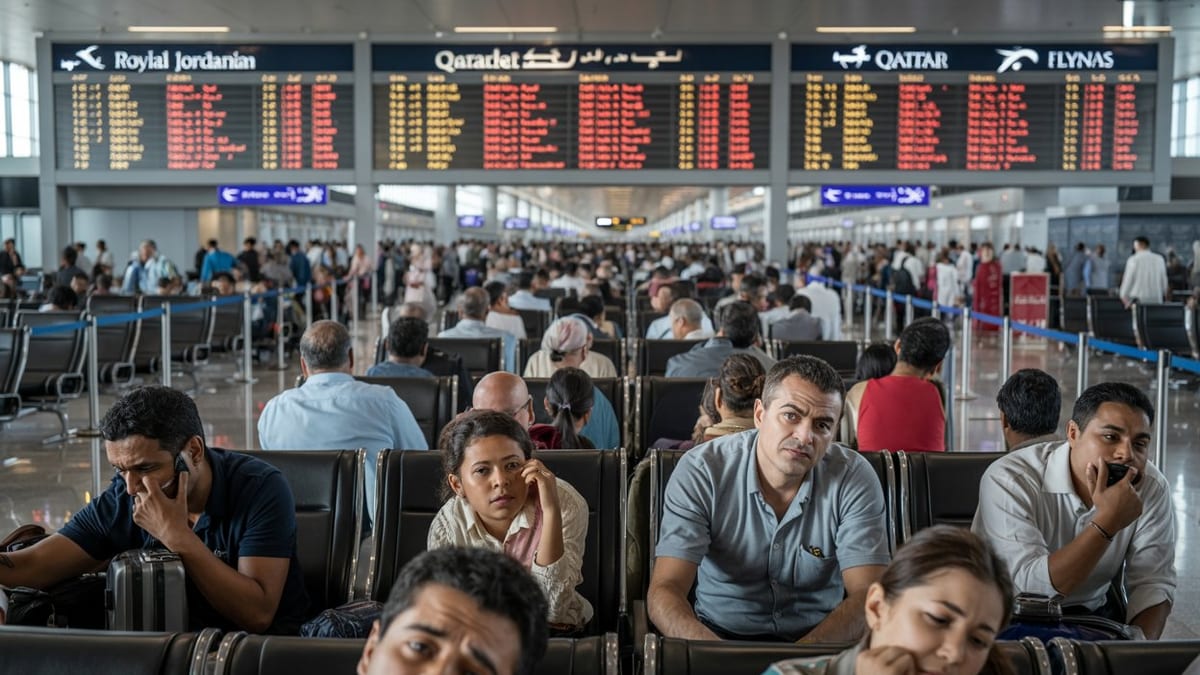
Major Hubs From Coast to Coast Under Strain
Publicly available tracking data shows that the latest wave of disruption is concentrated at some of the country’s busiest airports, where even moderate schedule changes can quickly cascade across the national network. Activity at Hartsfield Jackson Atlanta International, Chicago O’Hare, Dallas Fort Worth, Houston’s Bush Intercontinental, Los Angeles International and the New York area airports has been particularly volatile, with cancellations and rolling delays rippling through departure and arrival banks.
Reports indicate that New York’s three airport system, along with Boston Logan, is once again seeing pressure in peak morning and evening periods. Congested airspace, tight turnaround times and aircraft repositioning requirements are contributing to significant knock on effects for later flights in the day, even on routes far from the original trouble spots.
While the overall number of outright cancellations remains relatively modest compared with the most severe disruption days of recent years, the volume of delays is high enough to create what observers describe as “soft gridlock” across the system. Aircraft, flight crews and passengers are in many cases out of position, forcing airlines to trim schedules and re sequence operations through the day.
Delta, American, United and Low Cost Carriers Hit
The pattern of disruption spans the full spectrum of carriers operating in the United States, from the largest legacy airlines to low cost and ultra low cost operators. Published statistics and media coverage of recent disruption days show Delta, American and United consistently among the most affected airlines, reflecting their dense schedules at major hubs and their extensive connecting networks.
Low cost carriers, including Spirit and JetBlue, have also been swept up in the latest wave of irregular operations. Their point to point models and heavy reliance on single aircraft and crew rotations mean that a delay early in the day can quickly propagate across several subsequent flights, leaving little slack in the system to recover.
Industry observers note that while some carriers may register relatively few cancellations, they can still accumulate substantial numbers of delayed flights, an indication that schedules are being stretched rather than completely cut. This can mitigate headline cancellation counts but still produce long waits at gates and crowded terminals for travelers across the country.
Weather, Congestion and an Already Stressed System
Recent experience in the United States has underscored how quickly the aviation system can seize up when routine challenges collide. Aviation analysis over the past several years has consistently pointed to a mix of localized weather, airspace constraints, staffing limitations and tight airline scheduling as key contributors to disruption days marked by hundreds of cancellations and thousands of delays.
Even when no single dramatic event is underway, relatively minor thunderstorms, low clouds, or strong winds at a small number of key hubs can trigger ground stops or flow control measures that slow incoming traffic. These actions, in turn, reduce the number of takeoffs and landings allowed per hour, causing departure queues to form and arrival banks to shift later into the day.
Once banks are pushed back, aircraft often miss their next scheduled departures, and crews can run up against duty time limits. With many airlines still operating with lean spare capacity following earlier cost cutting and the rapid rebound in demand, the margin for absorbing disruptions remains thin, leaving passengers more exposed when irregular operations emerge.
Impact on Travelers Across the United States
Travelers caught up in the current wave of cancellations and delays are experiencing familiar challenges: missed connections, long rebooking lines at airports and via call centers, and limited same day alternatives on heavily booked routes. For passengers starting or ending their trips at major hubs such as Atlanta, Dallas, Houston, Los Angeles or New York, schedule changes are especially disruptive when they coincide with holidays, weekends or large events that drive high demand.
Publicly available consumer guidance from aviation and passenger rights organizations notes that travelers facing significant delays or cancellations should monitor their airline’s app or website for rebooking options and gate changes. Many carriers now enable self service rebooking onto later flights, reducing the need to queue at airport service desks when large numbers of passengers are affected simultaneously.
Experts also emphasize the importance of building buffer time into itineraries that rely on connections through busy hubs, particularly during seasons prone to storms or heavy traffic. The current situation, with thousands of flights running behind schedule, highlights how even short planned connect times can become unrealistic when delay minutes accumulate across multiple flights and airports.
Operational and Financial Pressure on Airlines
Operationally, a day featuring more than a thousand delays and over a hundred cancellations adds to the strain on airlines already working to stabilize schedules and rebuild reliability. Each cancellation requires aircraft and crew to be reassigned, while an elevated rate of delays complicates gate usage and aircraft maintenance planning at crowded airports.
Financially, recent high profile disruption events have shown how quickly costs can escalate, with some carriers previously reporting hundreds of millions of dollars in lost revenue and added expenses following multi day meltdowns. On heavy travel days, the combination of compensation policies, hotel and meal support in certain situations, and the long term impact on customer loyalty can turn an operational bad day into a significant balance sheet issue.
In response, airlines in the United States have signaled through public statements and filings that they are investing in technology, staffing and schedule adjustments intended to improve resilience. The continuing appearance of days marked by triple digit cancellations and thousands of delays, however, suggests that the underlying structural pressures on the system remain a significant challenge for both carriers and travelers.