

More news on this day
Thousands of airline passengers across the United States faced widespread disruption today as major hubs including Atlanta, New York, Boston, Los Angeles, Fort Lauderdale and Detroit reported 191 flight cancellations and 3,022 delays, affecting operations at Delta Air Lines, Alaska Airlines, American Airlines, United Airlines, Endeavor Air and other carriers.
Get the latest news straight to your inbox!
Major Hubs From Coast to Coast Report Severe Disruptions
Publicly available flight-tracking data for April 6, 2026 shows a broad pattern of disruption stretching from the East Coast to the West Coast, concentrating at some of the country’s busiest hubs. Atlanta, New York and Boston on the eastern seaboard, together with Los Angeles and Fort Lauderdale, have all logged significant cancellations and a much larger volume of delays, while Detroit and additional regional airports are reporting knock-on impacts.
The figures indicate 191 flights cancelled nationwide alongside 3,022 delayed services, underlining a day in which schedule reliability has been heavily strained but where airlines have still attempted to operate the majority of departures. The imbalance between cancellations and delays suggests carriers are prioritizing keeping aircraft moving, even if many services are running late.
Airports such as Atlanta and New York, which function as critical network hubs, are particularly sensitive to any operational stress. When those hubs experience problems, delays ripple outward to secondary cities including Fort Lauderdale and Detroit, contributing to the nationwide totals now being recorded.
On the West Coast, Los Angeles International is also featuring among the heavily affected airports, with congestion, aircraft reassignments and crew availability issues combining to slow departures and arrivals. These local pressures add to a national picture in which no single region appears immune from disruption.
Delta, Alaska, American, United and Endeavor Among Most Affected
The disruption is being felt across a broad range of carriers, but network data indicates that major US airlines are bearing a substantial portion of the operational strain. Delta Air Lines, which maintains its primary hub in Atlanta and operates extensive services through New York, Boston, Los Angeles and Detroit, appears prominently in today’s cancellation and delay tallies.
Endeavor Air, a regional operator that flies many Delta Connection-branded routes, is also recording elevated disruption levels. Because regional partners operate a large share of short-haul feeder flights into major hubs, schedule problems at Endeavor can quickly compound issues for Delta’s mainline network and vice versa, particularly in cities like New York and Detroit.
American Airlines and United Airlines, both of which field dense schedules along the East Coast and between coastal hubs, are likewise seeing heightened numbers of delayed flights, with a smaller but notable fraction cancelled. Alaska Airlines, traditionally more concentrated in the Pacific Northwest and on West Coast routes, is also listed among the disrupted carriers, reflecting how widely the current operational challenges are spread.
Smaller regional subsidiaries and codeshare partners are woven through these statistics, as they operate a significant percentage of flights under the major carriers’ brands. As these operators adjust schedules or reassign aircraft, passengers may see their itineraries changed even when their tickets show a large, well-known airline as the marketing carrier.
Weather, Congestion and Operational Strain Drive Delays
While precise causes for individual flights vary, recent patterns across US aviation point to a familiar combination of weather, airspace congestion and airline operational limits as the primary drivers of disruption. Published federal data shows that air carrier issues such as maintenance or crew availability, national aviation system constraints, and adverse weather conditions routinely rank among the top causes of delays and cancellations.
At large hub airports like Atlanta, New York and Boston, even moderate weather or air traffic control restrictions can quickly lead to departure and arrival queues. When flights are held on the ground or in the air, subsequent rotations of those aircraft are delayed, pushing back departure times in cities hundreds or even thousands of miles away, including Los Angeles and Fort Lauderdale.
Operational resilience has also been under scrutiny since several high-profile airline meltdowns in recent years, where single points of failure such as technology outages or regional storms spiraled into multi-day disruptions. The current pattern of 191 cancellations against more than 3,000 delays suggests carriers are absorbing stress by stretching schedules rather than cancelling large blocks of flying, but it also highlights the thin margins under which airlines are operating.
Industry performance statistics published by transportation authorities further show that even in more stable periods, a meaningful share of US flights arrive late. On days with heavier disruption, those baseline vulnerabilities are magnified, particularly at complex multi-terminal hubs like Los Angeles and New York-area airports.
Passengers Confront Missed Connections and Crowded Terminals
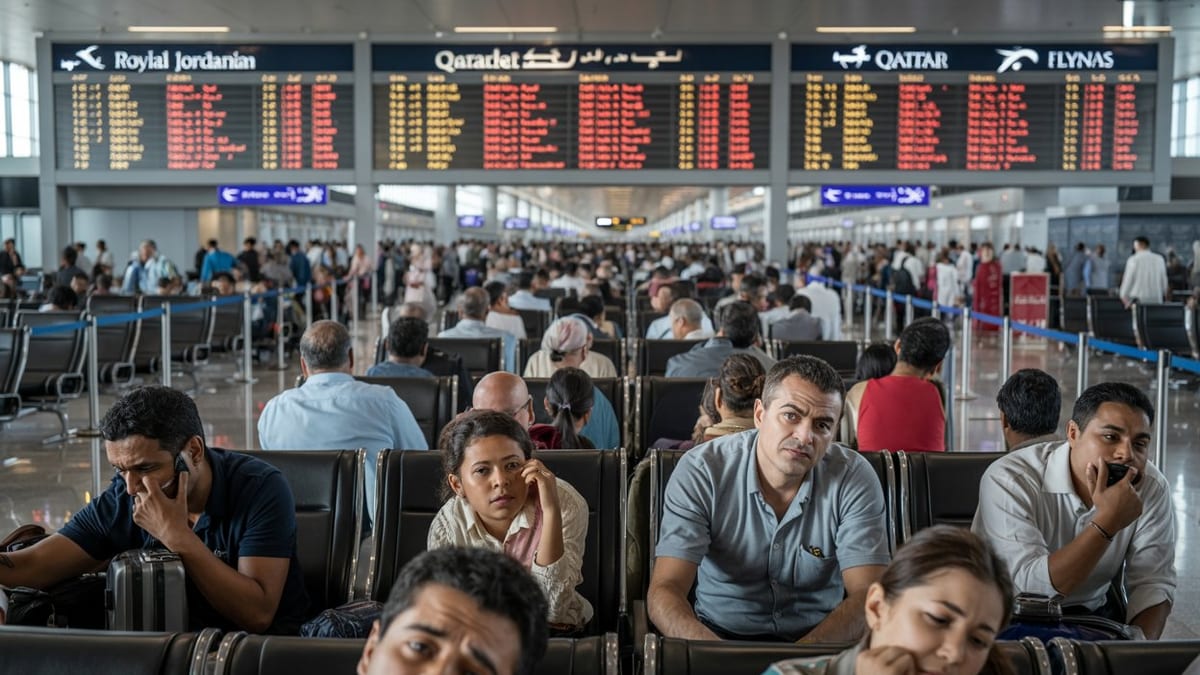
For travelers, the operational data translates into long queues at check-in and security, crowded gate areas and a higher risk of missed connections. Passengers connecting through Atlanta, New York, Boston and Los Angeles are especially exposed to cascading delays, since a late arriving inbound flight can eliminate the narrow buffer often built into connection times.
In Fort Lauderdale and Detroit, where many travelers begin or end their trips, the disruption is leading to late-night arrivals, extended waits for rebooking and adjustments to ground transport and hotel plans. Airlines are attempting to re-accommodate affected passengers on the next available flights, but limited spare capacity on peak travel days can leave some travelers facing multi-hour or even overnight waits.
Reports indicate that many affected flights are departing eventually, albeit behind schedule, which can be a mixed development for travelers. Those waiting to board may avoid outright cancellations, but extended tarmac waits or rolling departure time changes can still be highly disruptive, particularly for those traveling with children or on tight itineraries.
Inside terminal buildings, airport staff and airline ground teams are managing fluctuating crowds as waves of delayed flights arrive close together. This can place additional strain on services from baggage handling to concessions, compounding the inconvenience for passengers during peak disruption windows.
What Today’s Numbers Signal for Spring Travel
The tally of 191 cancellations and 3,022 delays on a single day offers a snapshot of the challenges facing US aviation as the country moves deeper into the spring travel period. With leisure and business demand rising, airline and airport systems are being tested by higher volumes at the same time that weather and operational variability remain significant.
Analysts reviewing recent performance trends note that large-scale disruptions are no longer confined to traditional peak holiday periods. Instead, sporadic days of heavy delay and moderate cancellation activity are appearing throughout the calendar, often linked to localized weather, staffing imbalances or traffic management initiatives in busy corridors.
For airlines such as Delta, American, United, Alaska and regional partners including Endeavor, the priority in the coming weeks will likely be to balance ambitious schedules with adequate buffers in aircraft and crew availability. Public data suggests that even modest improvements in on-time performance can significantly reduce missed connections and customer service bottlenecks when unforeseen issues arise.
For travelers, today’s disruption serves as a reminder that flexible planning, monitoring of flight status and preparation for potential schedule changes remain essential parts of flying in the current environment. With major hubs from Atlanta and New York to Los Angeles and Fort Lauderdale experiencing strain, the broader US network remains vulnerable to further days of heightened delays as the season progresses.