

More news on this day
Thousands of air travelers across the United States are facing another day of turbulence on the ground, as 69 flights are cancelled and 605 more face extensive delays, snarling operations at major hubs in New York, Florida and California and leaving families, business travelers and international visitors stranded in terminals nationwide.
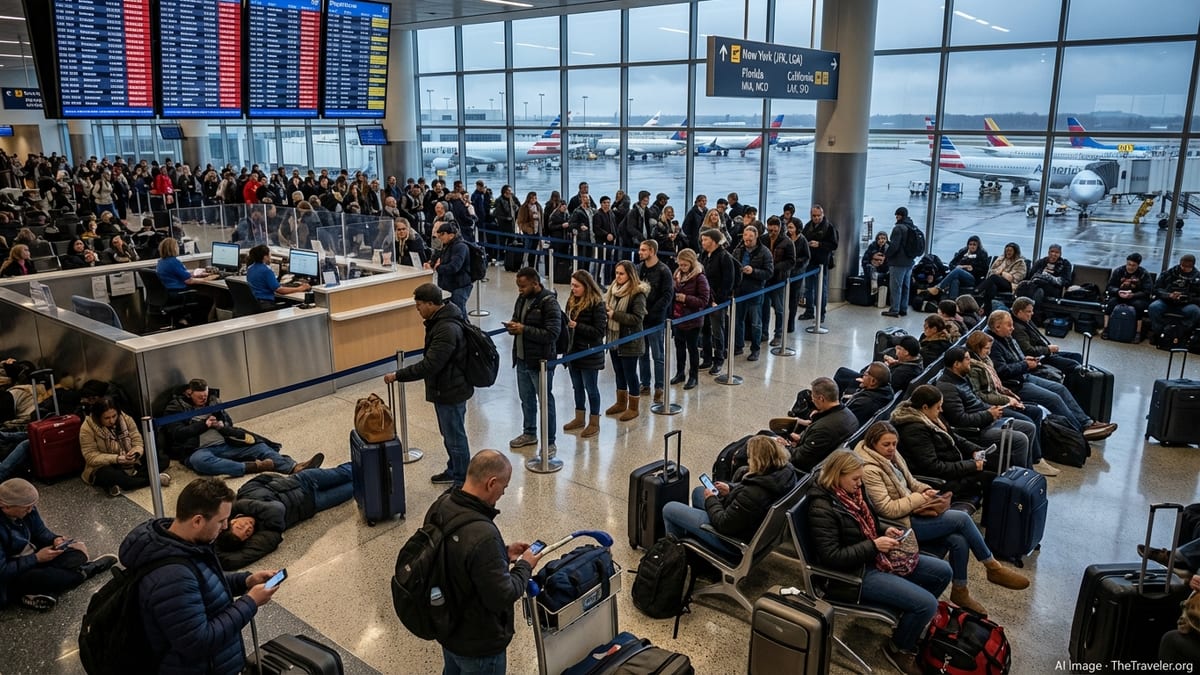
Disruptions Ripple Across Key US Hubs
The latest figures from flight tracking services show a fresh wave of operational disruption layered on top of an already difficult winter season for US aviation. While the current tally of 69 cancellations and 605 significant delays is far lower than the multi-thousand flight shutdowns seen during recent winter storms, the geographic spread across multiple coasts means the impact on passengers is still profound.
Major hubs including New York area airports, South Florida gateways and top California airports are all reporting bottlenecks. Even when a particular airport reports only modest cancellations, extensive knock-on delays are rippling through the system as aircraft and crews struggle to get back in place after earlier weather and congestion issues in other parts of the country. As a result, passengers who checked in expecting relatively routine travel are instead encountering rolling departure time changes and last minute gate alterations.
Compounding the disruption is the timing. The mid February travel period includes Presidents Day weekend, winter school breaks in parts of the country and a busy calendar of conventions and business events in cities such as Orlando, Las Vegas and San Francisco. Airlines are operating near peak capacity, leaving little slack when one region is hit by bad weather or air traffic flow restrictions and forcing them to trim schedules and prioritize certain routes to keep the broader network functioning.
New York, Florida and California Bear the Brunt
Travelers in and out of New York are again seeing their plans upended. At John F. Kennedy International and Newark Liberty in particular, delays have stacked up as airlines recover from recent weather and traffic management programs further south and west. Even modest schedule changes on transcontinental and transatlantic services can quickly clog these already congested hubs, with aircraft arriving late and turning around behind schedule.
In Florida, airports such as Miami, Fort Lauderdale and Orlando have become flashpoints for disruption. Heavy inbound traffic from weather affected northern cities has led to a build up of delayed arrivals, while outbound departures wait for aircraft and rested crews to be available. Tampa and other regional airports are also reporting elevated levels of delay as icy conditions and low temperatures in parts of the Midwest and Northeast reverberate through the national network.
On the West Coast, California travelers are contending with the combined effects of winter storms and strong winds in recent days. San Francisco International has seen significant arrival and departure slowdowns when gusty conditions triggered ground delay programs, while Los Angeles and smaller airports including Burbank and others have reported repeated waves of cancellations and late departures. Even when local weather is calm, aircraft arriving from storm hit regions often reach California hours late, disrupting evening departures and next day schedules.
Weather, Congestion and Airline Operations Collide
Behind the latest numbers is a familiar mix of factors: volatile winter weather, high passenger demand and the complex logistics of airline operations. Recent storms across large swaths of the United States have forced airlines to cancel or reroute thousands of flights over multiple days, straining crew availability and aircraft positioning. Even after the worst of the weather clears, recovery can take several days, particularly for airlines with tightly scheduled fleets.
Air traffic control restrictions add another layer of complexity. When storms affect major hubs or busy air corridors, the Federal Aviation Administration may implement ground delay programs or flow controls to maintain safety, sharply reducing the number of takeoffs and landings an airport can handle in a given hour. Those measures can quickly tip lightly delayed flights into lengthy postponements as aircraft are held on the ground at origin airports waiting for clearance to depart.
At the same time, airlines are operating in an environment of strong demand, especially on popular leisure and business routes connecting New York, Florida and California. Full or nearly full flights leave little room to rebook displaced travelers, while flight crews already working close to their legal limits may time out when disruptions lengthen their duty days. When that happens, carriers must wait for reserve crews to become available or cancel the flight altogether, further tightening capacity for travelers trying to reach their destinations.
Which Airlines and Routes Are Most Affected
While the current day’s tally of 69 cancellations and 605 major delays is spread across several airlines, certain carriers and route patterns are disproportionately affected. Large network airlines with major hubs in storm affected regions have had to repeatedly adjust schedules, temporarily thinning frequencies on some domestic routes in order to protect long haul and high yield services. That can mean flights between big coastal cities and secondary markets are first in line for cancellation or consolidation.
Carriers with extensive operations in the Northeast, Mid Atlantic and Great Lakes regions are especially vulnerable when winter storms or cold fronts sweep through, as many of their shorter routes feed into congested hubs that can quickly become overwhelmed. Flights between New York and Florida, New York and California, and connections through key Midwest and Southern hubs are seeing some of the steepest delay times as airlines juggle aircraft rotations.
Low cost and leisure focused airlines that rely heavily on Florida and Las Vegas traffic are also feeling the strain. Their business models typically emphasize tight turnarounds and high aircraft utilization, so when one flight on a given aircraft runs several hours late, the rest of that day’s schedule can unravel. This can be particularly painful for holidaymakers and cruise passengers traveling on set itineraries, where even a single missed leg may cause them to forfeit pre booked tours or ship departures.
What Stranded Passengers Are Entitled To
For travelers stuck in terminals from New York to Miami to Los Angeles, the immediate questions are what they are owed and what support they can reasonably expect. In the United States, passenger rights for delays and cancellations are less prescriptive than in some other regions, but the Department of Transportation has pressed airlines in recent years to clearly spell out their commitments in customer service plans and to provide tangible assistance during major disruptions.
Generally, when a cancellation or long delay is within an airline’s control, such as a crew scheduling issue or a maintenance problem, carriers are more likely to offer meal vouchers, hotel accommodations when an overnight stay is required and rebooking at no additional cost. When weather or air traffic control restrictions are the primary cause, airlines may still rebook passengers on the next available flight without extra charges, but hotel and meal coverage is less consistently provided and may depend on the airline’s individual policies.
Regardless of the cause, passengers are entitled to a refund if a flight is cancelled and they choose not to travel, even on nonrefundable tickets. If a significant schedule change or long delay makes a trip no longer useful, travelers can request their money back instead of accepting a later flight. This refund should cover the unused portion of the ticket and any fees directly tied to the cancelled flight. Ancillary services purchased from third parties, such as prepaid tours or independently booked hotels, fall outside airline obligations, so travel insurance can be especially valuable in those cases.
How to Improve Your Chances of Getting Rebooked
With so many passengers competing for a shrinking number of available seats, strategy matters. Travel experts consistently advise that stranded flyers act quickly, use multiple channels and stay flexible. As soon as a delay starts to grow or a cancellation is announced, passengers should open their airline’s app or website and look for self service rebooking options, which often display more alternatives than phone agents can offer in the first wave of disruption.
Reaching out through multiple avenues can also speed things along. While phone queues may stretch for hours during widespread disruptions, airport agents at less crowded gates, airline social media teams and dedicated text or chat functions sometimes have shorter waits. Standing in a line at the airport while simultaneously working through an app and messaging the airline can increase the odds of securing a desirable option before seats vanish.
Flexibility is another crucial asset. Agreeing to travel from or to nearby airports, accepting a connection instead of a nonstop or flying earlier or later in the day can open up possibilities that rigid preferences would block. Some airlines will also allow stranded passengers to rebook to surrounding dates without change fees or fare differences during declared waivers, so travelers who can shift trips by a day or two may find more reliable options and avoid the peak of the disruption.
Key Steps to Take if Your Flight Is Hit Today
For passengers caught up in the current wave of 69 cancellations and 605 major delays, a few practical steps can help minimize stress and financial loss. The first is to document everything: keep boarding passes, receipts for meals, ground transport and hotels, and any written communication from the airline about the reason for the disruption. This record will be important later if you seek reimbursement or file a claim with your travel insurer or credit card company.
Next, closely monitor your booking even after being reprotected on a new flight. In a fluid situation, revised itineraries can shift again as airlines continue to juggle their networks. Setting app notifications, checking departure boards and confirming gate assignments in person reduces the risk of missing a suddenly moved or retimed flight. At hub airports where congestion is heaviest, leaving extra time for security queues and terminal transfers is also prudent.
Finally, know where to escalate if initial efforts fail. If customer service channels are not resolving a serious issue, passengers can request to speak with a supervisor at the airport or ask for the details of the airline’s customer relations department for a follow up complaint. For systemic problems such as denied refunds or repeated schedule changes that render a trip unusable, travelers can also file a complaint with the Department of Transportation, which monitors airline performance and can pressure carriers to honor their published commitments.
Why Travel Disruptions May Persist in the Days Ahead
Even if today’s weather improves and some of the immediate bottlenecks ease, travelers should brace for lingering aftershocks in the coming days. The combination of earlier winter storms, stretched crews and crowded holiday period schedules means many airlines are still in recovery mode. Aircraft remain out of position, some crew pairings are close to legal duty limits and maintenance backlogs can surface as carriers push their fleets hard to catch up.
Because of that, seemingly isolated cancellations or delays may continue to appear on routes connecting New York, Florida and California, as well as on flights passing through major inland hubs. Early morning departures are often among the most reliable, since they use aircraft and crews that overnighted at the airport, but those flights too can be affected if previous evening services arrived late or not at all.
For now, industry analysts expect that operations should gradually stabilize if fresh rounds of extreme weather can be avoided. However, the pattern of intermittent disruption is unlikely to disappear entirely during the remainder of the winter travel season. For passengers, that means planning with extra buffers, building flexibility into itineraries and staying informed about airline policies will remain essential tools for navigating a system that is once again showing its vulnerability to even relatively modest shocks.