

More news on this day
Hours-long security lines and cascading flight delays have reemerged at major US airports this spring, as a partial Department of Homeland Security shutdown squeezes staffing and pushes some hubs back toward three and even four hour waits at checkpoints.
Get the latest news straight to your inbox!
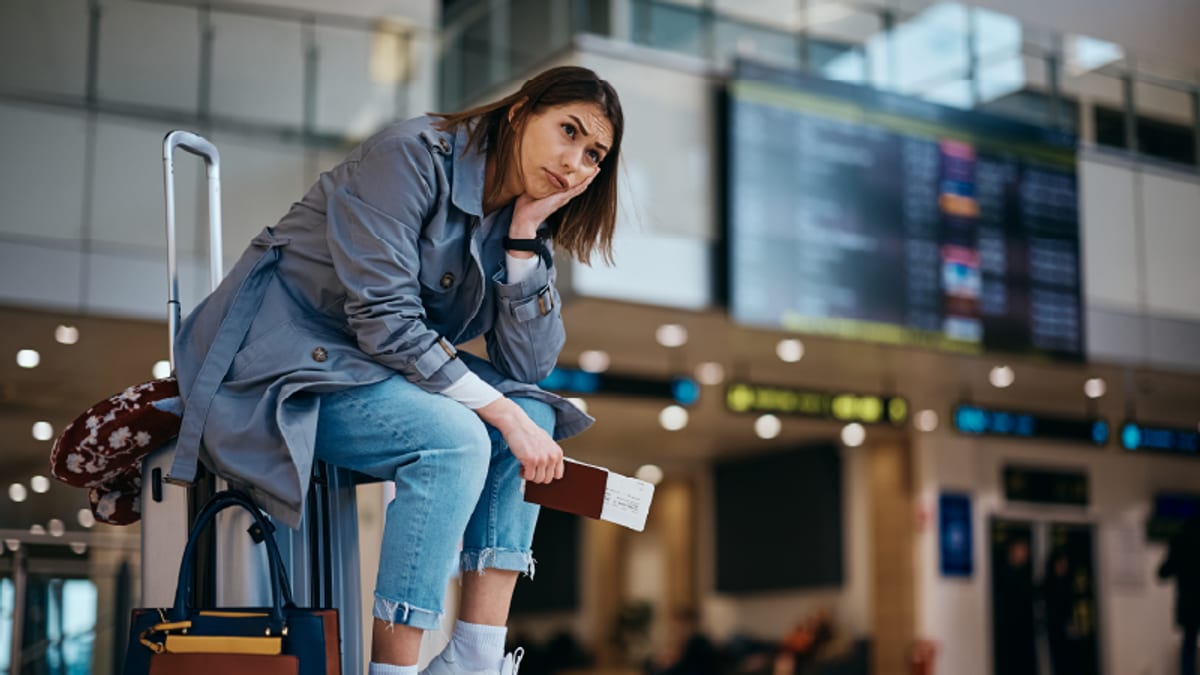
Image by Indian Eagle
Shutdown Strains Turn Security Lines Into Half-Day Ordeals
Publicly available information on the ongoing Department of Homeland Security shutdown indicates that Transportation Security Administration staffing has been under acute pressure since mid February, with hundreds of officers leaving their posts and others calling out as paychecks were delayed. In recent days, coverage of airport operations has described security lines at some large hubs snaking through terminals and, in some cases, out onto sidewalks as travelers wait to be screened.
Reports on conditions at George Bush Intercontinental Airport in Houston describe one of the most severe crunch points so far, with only a fraction of checkpoints operating for stretches of the day and passengers facing waits approaching four hours at peak times. Similar bottlenecks have been documented at Atlanta’s Hartsfield Jackson, where queues have stretched across the main terminal as spring break traffic collides with thinner staffing and higher secondary screening rates.
New York’s LaGuardia has also seen compounding problems, with long security lines coinciding with recent operational disruptions on the airfield. Industry data shows that when checkpoints slow dramatically, the impact quickly ripples to the departure boards, as aircraft wait for missing passengers and airlines juggle gate assignments and crew duty limits.
While not every airport is affected equally, analysts note that even a handful of large hubs experiencing multi hour waits can produce nationwide repercussions because so many connecting itineraries are routed through those facilities. A single morning of overwhelmed checkpoints can translate into missed connections, rolling delays and late night arrivals across the country.
Airports Where Delays Are Most Likely to Stretch Past Three Hours
Recent analyses of federal on time performance data and security wait statistics point to a familiar set of airports where travelers are most likely to feel the strain when the system is under stress. Major coastal gateways that combine heavy international traffic, complex airspace and aging terminals stand out among the most delay prone.
New York area airports, including John F. Kennedy and Newark Liberty, consistently rank near the bottom of federal statistics for on time arrivals and departures in crowded travel periods. When winter weather or thunderstorms roll through the Northeast, ground delay programs and deicing backups often lead to hours long gate holds and tarmac waits that can quickly push total trip times beyond three hours of disruption.
Data-driven reviews of security performance at large US hubs over the last two years frequently highlight Miami International for prolonged screening queues, particularly during holiday peaks when international arrivals are heavy. Crowding at passport control and connecting security checkpoints can turn a routine connection into a multi hour slog, especially for travelers without expedited screening.
In the Midwest and South, Chicago Midway, Orlando and Fort Lauderdale appear regularly in compilations of airports with high shares of delayed departures and above average delay durations. These airports see intense waves of leisure travelers, tight gate layouts and susceptibility to thunderstorms, all of which contribute to an elevated risk that a disruption could translate into several hours of waiting on the ground.
When You Fly Matters as Much as Where You Fly
Beyond the specific airports, patterns in TSA data and airline schedules show that the timing of a trip often determines whether a traveler experiences a brief slowdown or a multi hour ordeal. Peak departure banks in the early morning and late afternoon are especially vulnerable when staffing is thin or storms roll through key hubs.
Holiday periods and school breaks stand out as the riskiest windows. Forecasts for the most recent year end and Labor Day travel seasons projected record numbers of passengers at US checkpoints, and follow up reporting indicates that waits of 60 to 90 minutes were common at some hubs even before the current shutdown related staffing issues emerged. Once routine waits creep toward 90 minutes, any additional disruption can push the total time in lines and holding areas beyond three hours.
Day of week also matters. Analyses of security line data show that Mondays and Fridays tend to generate the longest queues as business travelers overlap with weekend and leisure crowds. Midday time blocks can be particularly problematic, when morning delays are still being cleared even as the next wave of departures begins boarding.
Weather adds another unpredictable layer. Studies of extreme events in the national airspace system show that a relatively small number of highly disrupted days, often driven by winter storms or severe summer thunderstorms, account for an outsized share of total delay minutes. On those days, passengers can face extended security lines, long stretches sitting on aircraft awaiting takeoff slots and additional time circling or holding for congestion at destination airports.
Strategies to Reduce the Risk of Three-Hour Airport Waits
Travel experts and recent guidance from aviation agencies emphasize preparation and flexibility as the most effective tools for avoiding the worst of the current disruptions. For travelers who can choose their flights, early morning departures are generally less prone to cascading delays, since aircraft and crews are more likely to be in position and the day’s weather pattern has not yet fully developed.
Booking itineraries with longer connection windows at historically congested hubs can provide a buffer when security lines or inbound delays eat into the schedule. While a generous layover may initially look inefficient, it can be the difference between a tense sprint through a crowded terminal and a relatively calm transfer through security and to the next gate.
Enrolling in expedited screening programs such as TSA PreCheck or using trusted traveler options for immigration can significantly reduce time spent in queues, even during periods of stress on the system. Recent analyses of checkpoint performance suggest that travelers using these lanes experience much shorter waits than standard passengers, particularly during holiday rushes and staffing disruptions.
Real time tools are also critical. The MyTSA mobile app, airline apps and airport operated trackers provide up to date estimates of security and immigration wait times, along with gate changes and delay notifications. Monitoring these tools before leaving for the airport and while en route allows travelers to adjust departure times from home, switch to less crowded checkpoints where an airport offers multiple screening areas, or seek alternative routing options before disruptions compound.
What to Watch in the Weeks Ahead
Looking beyond the immediate turbulence, analysts suggest that the duration of the DHS shutdown will be a key factor in how long the current pattern of long waits and rolling delays persists. If staffing levels continue to erode or remain unstable into the busy summer travel season, airports that were already operating close to capacity could see more frequent periods where wait times spike into the multi hour range.
Industry observers are also paying close attention to weather outlooks. Seasonal forecasts pointing to an active summer thunderstorm pattern and continued risk of severe winter systems in late 2026 raise the prospect that even modest staffing shortfalls could interact with weather related disruptions to produce extended delays at multiple hubs simultaneously.
At the same time, some airports are moving to blunt the impact through technology and operational changes. More widespread use of automated screening lanes, expanded use of canine teams and the opening of additional checkpoint capacity at peak times have already shown promise in reducing average wait times at a number of large facilities. Continued investment in these measures may help bring typical waits down even if total passenger volumes keep rising.
For travelers planning trips in the coming months, the picture is likely to remain mixed. While not every journey will involve three hour lines or cascading delays, the margin for error at some of the nation’s largest hubs is thin. Those who build in extra time, monitor conditions closely and make strategic choices about routes and schedules will be best positioned to navigate a system facing renewed strain.