

More news on this day
Thousands of air travelers across the United States are facing hours-long delays and unexpected overnight stays as a fresh wave of flight disruptions hits major hubs from Los Angeles and New York to Chicago, Orlando and Miami, with carriers including Southwest, Delta, United, Alaska and JetBlue reporting more than 100 cancellations and over 3,000 delays in a single day.
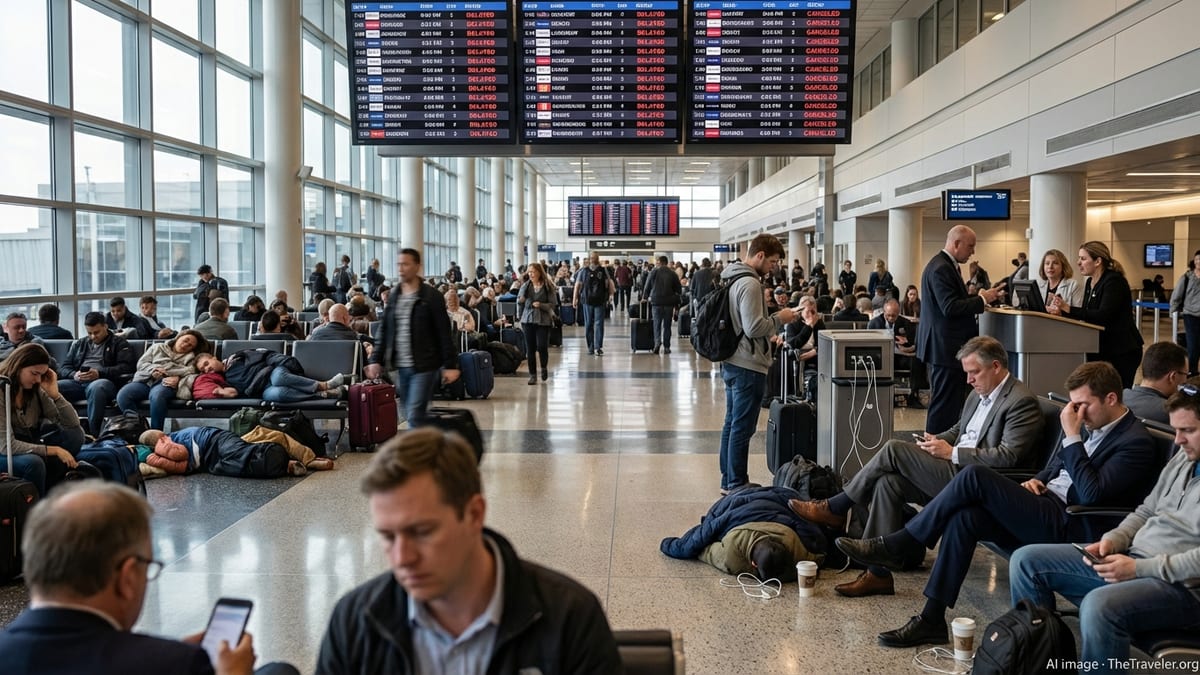
Ripple Effect Across America’s Busiest Airports
The latest day of disruption has turned concourses into makeshift waiting rooms as cascading delays ripple through the nation’s aviation network. Tracking data compiled on Friday shows more than 100 cancellations and over 3,000 delays tied to operations at leading hubs including Los Angeles International, New York’s airports, Chicago O’Hare, Orlando International and Miami International, alongside secondary hubs that feed into them.
Even a relatively modest number of cancellations can quickly translate into a nationwide bottleneck, aviation analysts note. Aircraft and crews out of position at one hub can trigger rolling delays at others throughout the day, leaving travelers stranded well away from the airports that initially experienced problems.
At Miami International Airport, local disruption alone accounted for more than 200 delayed flights and a handful of cancellations affecting American, Delta, Southwest and other carriers on busy domestic and international routes, amplifying the strain on the broader system as missed connections mounted.
Major Carriers Struggle to Keep Schedules Intact
Southwest, Delta, United, Alaska and JetBlue were among the hardest hit as they attempted to stabilize schedules after a turbulent week of winter weather and air-traffic constraints. Industry trackers reported that the combined impact for US carriers on Friday included more than 100 scrubbed departures and in excess of 3,000 delayed flights, spread across dozens of airports but concentrated at coastal and Midwestern hubs.
The disruption follows several days of severe weather in the Northeast and Midwest that forced airlines to trim schedules and institute rolling ground delays. While conditions have improved in some regions, carriers are still working through the knock-on effects of earlier storms that disrupted crew rotations and aircraft availability.
Operational leaders at several airlines have emphasized that they are prioritizing safety as they rebuild networks, pointing to the need for de-icing, runway inspections and spacing between arrivals during periods of reduced visibility or gusty crosswinds. Those constraints often translate directly into longer waits for passengers already seated on aircraft or queuing at departure gates.
Passenger Frustration Mounts Amid Long Waits
For travelers caught in the middle, the statistics tell only part of the story. At airports from Los Angeles to New York, lines for customer-service desks stretched through terminals as passengers sought rebookings, hotel vouchers and updated information on departure times that continued to slip throughout the day.
In Chicago, a key Midwestern hub feeding both coasts, local airport data showed a steady stream of cancellations and rolling delays through Friday afternoon, exacerbating missed connections for passengers heading to Florida and the West Coast. Similar scenes played out at Orlando, where families heading home from vacations found themselves unexpectedly overnighting as evening departures were pushed back.
Many travelers reported receiving multiple schedule-change notifications within hours and turning to airline apps and social media channels for updates as gate agents struggled to manage the volume of inquiries in person. With seats on later flights rapidly filling, some passengers turned to rental cars, trains or alternate airports in a bid to reach their destinations before the weekend.
Weather Hangover and System Strain Behind the Numbers
Aviation experts say the latest disruptions cannot be viewed in isolation. A series of strong winter systems in recent weeks has already forced the cancellation or delay of thousands of flights across the Northeast, Mid-Atlantic and Midwest, stretching airline resources and leaving little margin to absorb new operational shocks.
As airlines tighten schedules to maximize aircraft utilization, even minor weather complications or brief air-traffic control restrictions can translate into widespread delays. When storms force preemptive schedule cuts, it can take several days for carriers to reposition aircraft and crews, particularly at complex hubs such as New York, Chicago and San Francisco.
Industry analysts point out that while cancellation rates remain lower than during the height of the pandemic-era disruptions, the sheer volume of flights operating each day means that any spike in delays quickly affects tens of thousands of passengers. The combination of full planes, winter storms and ongoing staffing challenges in some parts of the aviation system has left carriers with few easy options when operations begin to fray.
What Travelers Can Expect in the Coming Days
With airlines still working through Friday’s backlog, travel experts warn that the impacts could extend into the weekend as carriers rebuild normal schedules. Morning departures on Saturday are expected to operate with relatively fewer disruptions, but connections through the most affected hubs may remain fragile, especially if new bands of poor weather or low visibility develop.
Passengers with upcoming trips are being urged to monitor their flight status frequently, check in early and allow extra time at the airport, particularly if traveling through major nodes such as Los Angeles, New York, Chicago, Orlando, Miami, Boston or San Francisco. Many airlines have issued flexibility policies that allow customers on affected routes to rebook without change fees within specified travel windows.
Travel planners say that choosing earlier departures, avoiding tight connections and keeping carry-on luggage where possible can slightly improve the odds of reaching a destination on time when the network is under stress. For now, however, thousands of travelers remain in limbo, waiting for aircraft to arrive, crews to reset and one of the world’s busiest aviation systems to catch up with itself once again.