

More news on this day
A sweeping wave of delays and cancellations across seven major US air hubs on April 8 triggered widespread disruption for passengers and highlighted mounting strains inside the country’s aviation system at the height of the spring travel season.
Get the latest news straight to your inbox!
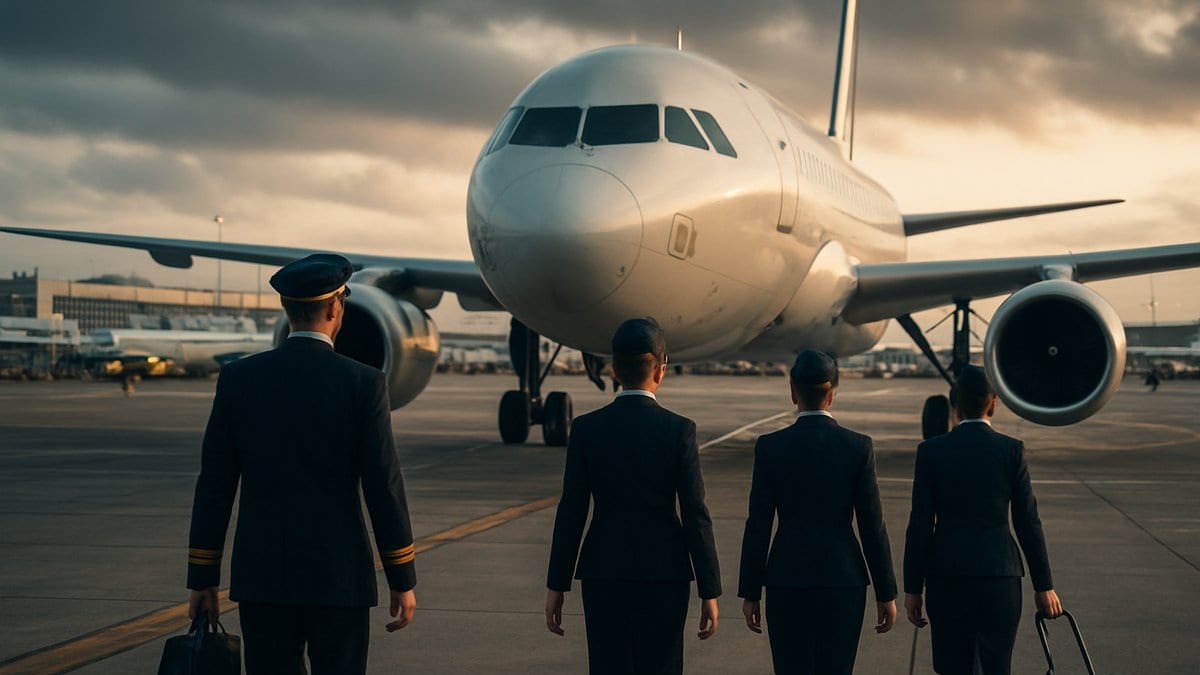
System Shock Ripples Across Major US Gateways
Publicly available operational snapshots from April 8 indicate that a sharp spike in delays and cancellations hit a cluster of major airports, snarling traffic at hubs including Atlanta, Denver, Chicago, Miami, New York-area gateways and several fast-growing Sun Belt and West Coast airports. Aggregated data compiled by aviation and travel outlets describes the event as a system-level shock, with disruptions radiating outward from those hubs into secondary cities and regional spokes.
Coverage focused on the concentration of problems at seven key hubs that anchor domestic and international connections. At Hartsfield-Jackson Atlanta International Airport, reports indicate more than 150 delayed departures and arrivals and over 20 cancellations within a single day, leaving the world’s busiest airport operating under sustained strain. Similar patterns were recorded at Denver International Airport, Chicago O’Hare, and major Florida and Texas gateways, where rolling delays quickly overwhelmed carefully timed connection banks.
By early evening on April 8, flight-tracking tallies and media monitoring suggested thousands of passengers were dealing with missed connections, rebookings and extended waits in terminals nationwide. Published coverage described departure boards dominated by delay codes rather than punctual departures, underscoring how quickly a disruption centered on a handful of hubs can evolve into a nationwide aviation bottleneck.
The April 8 shock followed several days of elevated disruption levels. On April 7, analysis of US operations showed at least 94 cancellations and more than 2,000 delays across major airports, with Atlanta again prominent among the worst-affected hubs. That earlier wave set the stage for a fragile network entering the new week with aircraft and crew already out of position.
Weather, Traffic Management and Network Strain Combine
While no single root cause fully explains the scale of the April 8 disruption, recent patterns point to a familiar convergence of factors. Spring weather systems moving across the South and Midwest have generated thunderstorms, low visibility and wind issues at several large hubs, prompting air traffic management programs that slow arrivals and departures. Those measures reduce airport capacity and trigger queues of aircraft waiting for takeoff or landing slots.
In early April, published analyses of airline performance showed that both United Airlines and Frontier Airlines suffered broad operational breakdowns on April 3, with more than 800 United flights delayed and dozens canceled, and Frontier recording over 200 significant delays and nearly 20 cancellations across its US network. Those interruptions were concentrated at major hubs such as Denver, Chicago, New York and other large connecting points, demonstrating how quickly adverse weather and traffic restrictions can cascade through complex schedules.
Similar stress appeared at Hartsfield-Jackson Atlanta International Airport on April 5, when operational data indicated at least 361 flights disrupted in a single day, including 285 delays and 76 cancellations. Two days later, on April 7, national tallies compiled by travel industry outlets documented another spike, with more than 2,000 delays and close to 100 cancellations across multiple hubs, including Austin, Denver, Miami, Chicago and major New York-area airports.
These repeated shocks mean that when a new disturbance emerges, there is less slack in the system to absorb it. Aircraft and crews are more likely to be out of position, turnaround times lengthen, and the margin for recovering from even short-lived weather or traffic-management restrictions narrows. The April 8 disruption unfolded against exactly that backdrop of accumulated strain.
Seven Hubs at the Heart of a Fragile Network
The pattern that has emerged in recent days places seven hubs at the core of the current instability. Atlanta, Chicago O’Hare, Denver and Miami remain central because of their sheer scale and their importance to the country’s dominant hub-and-spoke carriers. New York-area airports, particularly the large international and domestic gateways serving Manhattan’s catchment area, add another layer of complexity, given crowded airspace and heavy transcontinental and transatlantic schedules.
Reports from Miami International Airport on April 6 documented 265 delayed flights and nine cancellations affecting routes to and from major US and UK hubs, including New York, Chicago, London, Dallas and Los Angeles. Those figures, while centered on a single airport, illustrated how quickly disruption can propagate when a coastal hub that feeds both domestic and long-haul traffic experiences a prolonged operational slowdown.
Denver has also emerged as a pressure point. Coverage of early April disruptions at Frontier and United highlighted heavy knock-on effects at Denver International Airport, where both carriers operate dense banks of flights that connect the Mountain West with the rest of the country. When departures from Denver run late, late-arriving aircraft and crews can then compound schedule issues at downstream hubs such as Chicago, Dallas, Houston, Phoenix and Las Vegas.
The result is that a set of seven or so key hubs effectively acts as the backbone of the US aviation system. When several of them encounter weather, staffing or traffic-management constraints in close succession, the entire network can begin to buckle, as appeared to happen on April 8.
Passengers Confront Long Lines and Limited Options
For travelers, the operational story translates into a familiar set of challenges. Media coverage of this week’s disruptions describes crowded gate areas, long lines at airline service counters and security checkpoints, and passengers struggling to secure alternate flights once their original services are delayed beyond connection windows or canceled outright.
At Miami and Atlanta, where multiple carriers rely on tightly scheduled banks of arriving and departing flights, even moderate delays can strand connecting passengers for hours. If later flights are already heavily booked during peak spring travel, options to rebook on the same day become scarce, particularly for those heading to smaller markets served by only a handful of daily frequencies.
Travel-industry commentary notes that some passengers have been forced to accept overnight stays or multi-stop itineraries in order to reach their destinations, especially when disruption hits in the late afternoon or evening. In such cases, hotel availability near major airports can tighten rapidly, while call centers and digital channels experience surging demand from customers seeking rebooking assistance or refunds.
Consumer advocates point out that the April disruptions arrive against a broader backdrop of concern about aviation reliability following severe winter storms in February and the lingering impact of previous large-scale breakdowns, such as the July 2024 technology failure that caused days of cancellations at one major US carrier. For many travelers, the events of early April reinforce perceptions that even routine trips now require additional buffers of time and contingency planning.
Calls for Resilience as Summer Peak Approaches
The latest disruptions are intensifying discussion about how to make the US aviation system more resilient before the busier summer travel season. Academic research and network analyses published in recent weeks suggest that as traffic has grown, major hubs have become more susceptible to cascading delays that spread across entire route networks rather than remaining confined to a single region.
Industry observers argue that relatively small investments in additional staffing, equipment redundancy and schedule padding at critical hubs could reduce the risk of the kind of multi-airport shock seen on April 8. Others highlight the need for modernized air traffic control technology and more dynamic traffic-management tools that can better balance safety, capacity and punctuality when weather systems move rapidly across the country.
Regulators and policymakers are also facing renewed scrutiny over passenger protections. Publicly available guidance from US authorities already guarantees cash refunds when flights are canceled and travelers choose not to fly, but recent events have prompted fresh debate about whether airlines should provide stronger guarantees on rebooking, meal vouchers and hotel accommodation when disruptions are driven by operational or staffing issues rather than severe weather.
With the spring holiday period still under way and summer demand forecasts pointing to record passenger volumes, the April wave of disruption across seven major US hubs is widely viewed as an early stress test. How airlines, airports and regulators respond in the coming weeks is likely to shape traveler confidence heading into the busiest months of the year.