

More news on this day
U.S. airlines are cautiously restoring flights to Mexico’s Puerto Vallarta and Guadalajara after a wave of cartel-linked violence forced mass cancellations, stranded thousands of travelers and raised fresh questions about flying to two of the country’s most popular gateways.
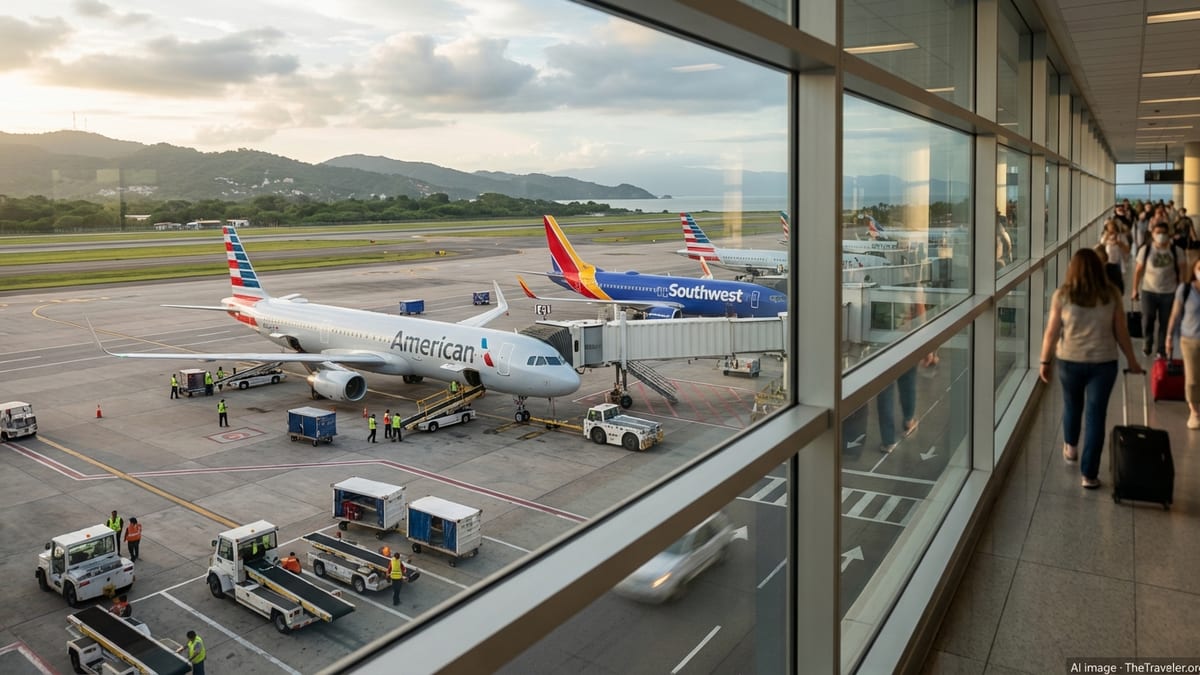
Carriers Restart Key Routes After Turbulent Weekend
American Airlines and Southwest Airlines began resuming services to Puerto Vallarta and Guadalajara on Tuesday, February 24, following two days of widespread disruptions triggered by civil unrest in the state of Jalisco. The cancellations came after a Mexican military operation that killed Nemesio “El Mencho” Oseguera Cervantes, the alleged leader of the Jalisco New Generation Cartel, sparking roadblocks, vehicle fires and gun battles in and around both cities.
American said it is now operating a full schedule to Puerto Vallarta’s Licenciado Gustavo Díaz Ordaz International Airport and Guadalajara International Airport, adding extra flights and hundreds of additional seats to move stranded passengers back to the United States. Southwest, which had fully suspended its Puerto Vallarta operations through Monday, has restored its planned flights and layered on additional round trips from select U.S. markets to clear a backlog of customers.
Other North American carriers are also easing back into the market, though often at reduced capacity. Canadian airlines including Air Canada and WestJet are deploying larger aircraft and special sections to repatriate tourists, even as official travel advisories continue to urge caution. Flight trackers on Tuesday showed a patchwork schedule gradually rebuilding at both airports, a marked change from the near standstill seen over the weekend.
United and Other Airlines Balance Safety With Demand
United Airlines, which over the weekend halted all flights to Puerto Vallarta and Guadalajara, has begun lifting its internal ban as security conditions on approach roads and around the airports improve. The airline is allowing affected passengers to rebook travel through early March without change fees or fare differences, provided they keep the same city pairs, signaling its expectation that demand for the routes will quickly rebound.
Delta Air Lines and Alaska Airlines had warned customers that flights to, from or through Puerto Vallarta and Guadalajara could be disrupted because of the unrest. By Tuesday, many of those warnings remained in place, but schedules showed a gradual return of operations with contingency plans ready should violence flare again. Airlines continue to emphasize that crew and passenger safety remains the primary factor in whether a specific flight operates.
Industry analysts note that leisure demand to Mexico’s Pacific coast has been particularly resilient in recent years, with U.S. travelers flocking to Puerto Vallarta’s resort corridor and using Guadalajara as a key business and family-visit hub. That underlying demand, they say, is driving airlines to restore service as quickly as security assessments allow, even if load factors remain uneven in the short term.
Travelers Face Lingering Disruptions on the Ground
While planes are once again landing and taking off, the aftermath of the violence is still being felt by travelers on the ground. Earlier in the crisis, road blockades and burning vehicles cut off access between city centers and the airports, taxis and ride-hailing services were suspended in Puerto Vallarta, and authorities urged visitors to shelter in hotels and vacation rentals. Local officials now report that most blockades in Jalisco have been cleared, but sporadic checkpoints and a heavy security presence continue on major routes.
For tourists, that has translated into longer transfer times, increased screening and, in some cases, the need to travel only during daylight hours on recommended corridors. Travel agents report a spike in calls from clients seeking to adjust itineraries, shorten stays or reroute through alternative Mexican gateways such as Cancún and Mexico City, where operations have remained largely normal.
Hotels and short-term rentals in Puerto Vallarta’s main tourist zones remained open throughout the crisis, but occupancy patterns shifted as guests stayed within resort compounds or moved to properties closer to the airport to secure early departures. Some resorts arranged private shuttles to the airport in coordination with local authorities, and many extended flexible cancellation and change policies to match airlines’ waivers.
Advisories, Insurance and What US Travelers Should Know Now
The U.S. Embassy has kept its security alerts in place for Jalisco and neighboring Nayarit as authorities continue large-scale operations against organized crime. Travelers are being urged to enroll in the State Department’s Smart Traveler Enrollment Program, monitor local news and follow instructions from hotel staff and tour operators, who are receiving regular security briefings.
Travel insurance has emerged as a crucial safety net for many visitors caught in the disruption. Policies that include trip interruption and emergency transportation benefits have helped cover unexpected extra nights in hotels, new flight bookings and alternative ground transport when commercial options were limited. Travel advisors say they expect demand for comprehensive coverage to rise on Mexico itineraries in the coming months.
Airlines, meanwhile, are still offering broad flexibility. Major U.S. carriers continue to waive change fees for customers with tickets to Puerto Vallarta and Guadalajara over the coming days, allowing free rebooking or, in some cases, credits for future travel. Passengers are being urged to check their flight status frequently, as schedules may change at short notice depending on evolving security assessments.
Mexico Tourism Braces for Short-Term Shock, Eyes Recovery
The latest wave of violence is a significant setback for Puerto Vallarta and Guadalajara, both of which had been enjoying strong post-pandemic rebounds in U.S. visitor numbers. Tour operators expect a short-term dip in new bookings as dramatic images of roadblocks and burning vehicles circulate, but many say they anticipate a relatively swift recovery if the current calm holds and airlines maintain restored schedules.
Tourism officials and business leaders in Jalisco are now focused on reassuring international partners that key visitor zones remain secure and that authorities are working to prevent further disruptions to airport access. Industry groups have called for deeper coordination between federal security forces, local governments and the aviation sector to ensure that air links are protected even during high-profile security operations.
For now, the return of U.S. flights represents an important psychological and logistical milestone. Each additional departure carrying tourists back to U.S. hubs is helping to ease congestion in hotels and at airports, while newly arriving visitors are testing whether confidence in the region’s appeal can withstand the latest shock. As airlines, officials and travelers adapt, Puerto Vallarta and Guadalajara are once again reachable from the United States, but with a renewed awareness of the region’s complex security landscape.