

More news on this day
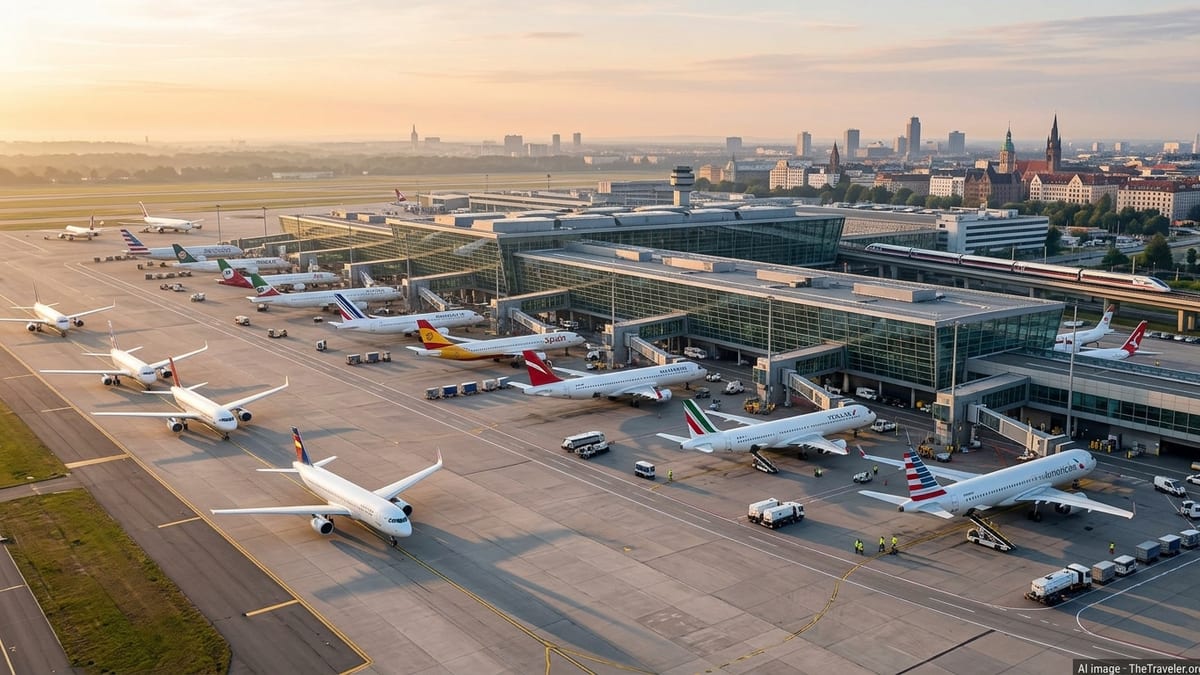
Global tourism is entering 2026 with renewed momentum as the United States joins France, Mexico, Spain and Italy in a concerted push to expand air connectivity and modernize transport infrastructure, positioning these destinations at the core of the industry’s next phase of growth.
Get the latest news straight to your inbox!
Global Tourism Enters a New Growth Cycle
Recent data from international tourism organizations show that global travel rebounded strongly through 2025, setting the stage for further expansion in 2026. International arrivals surpassed pre-pandemic levels in many regions, with Southern and Mediterranean Europe and North America among the strongest performers. Publicly available information indicates that Spain, Italy, France, the United States and Mexico are all reporting solid gains in both visitor numbers and spending, underpinned by rising air capacity.
According to sector barometers tracking January to October 2025, Southern and Mediterranean Europe posted double-digit growth in arrivals, with Spain and Italy among the standout destinations. North America also recorded robust gains, with the United States and Mexico registering strong increases in visitor numbers and tourism receipts as long-haul and transborder air routes were restored and expanded. These trends give the five countries a central role in shaping global tourism flows in 2026.
Industry reports emphasize that this new cycle is being driven not only by pent-up demand but also by deliberate policy choices and investment decisions. Expanded aviation links, airport overhauls, and intercity transport upgrades are helping travelers reach secondary cities and new regions more easily, spreading tourism beyond traditional gateways and high-density hotspots.
United States Bets on Airport Upgrades and New Routes
The United States is pairing record visitor forecasts with an unprecedented airport modernization drive. Federal transportation fact sheets indicate that the Bipartisan Infrastructure Law is channeling around 20 billion dollars into airport infrastructure, alongside additional funding for air traffic control systems. Grants announced over the past two years cover runway reconstructions, terminal expansions and safety upgrades at large hubs and regional airports alike, from Phoenix Sky Harbor to mid-sized facilities in the Midwest and Northeast.
These investments are timed to coincide with rising international demand. A forecast from the U.S. National Travel and Tourism Office projects that inbound travel will continue to grow through 2025 and 2026, with higher volumes expected from key markets including Canada, Mexico, France and Italy. This outlook supports the business case for new long-haul services connecting U.S. cities to emerging and established tourism markets abroad.
Airlines are responding by adding transatlantic and transborder capacity for the 2026 summer season. Route announcements reported in industry media include new links from U.S. East Coast hubs such as Newark to destinations in Italy and Spain, as well as additional services to regional airports in Europe. Combined with ongoing terminal reconstruction projects, these moves are expected to reduce congestion at traditional gateways, improve the passenger experience and strengthen the United States’ position as both a tourism destination and a global aviation hub.
Europe’s Tourism Powerhouses Scale Up Connectivity
France, Spain and Italy are reinforcing their status as tourism leaders through an assertive expansion of air links and continued investment in transport infrastructure. Travel and tourism council data show that France remains one of the world’s most visited countries by arrivals and tourism spending, while Spain and Italy consistently rank among the strongest markets in Europe. Recent barometer readings for 2025 highlight solid growth in both visitor volumes and receipts for these destinations.
Connectivity is a major part of that success. Analytics from industry consultancies show that Spain’s key urban and coastal airports have increased seat capacity on both short-haul and long-haul routes, including stronger links with North America and the Gulf. France continues to use Paris as a global hub, with European and intercontinental carriers adding frequencies and opening new point-to-point services to regional French cities. Italy, meanwhile, is benefiting from expanded transatlantic operations and new services from European hubs to its secondary airports.
Beyond aviation, these countries are also prioritizing rail and urban mobility projects that indirectly support tourism. High-speed rail corridors in France, Spain and Italy continue to knit together major cities and regional destinations, making it easier for international visitors to combine multiple stops in a single trip. This intermodal connectivity, combined with modernized airports, is encouraging travelers to go beyond capital cities and explore less familiar regions.
Mexico Aligns Tourism Strategy with Aviation Growth
Mexico is emerging as a pivotal player in the 2026 tourism landscape, aligning large-scale infrastructure projects with an active aviation expansion strategy. Trade and investment reporting indicates that the country closed 2025 with a tourism investment pipeline valued in the tens of billions of dollars, covering hotels, attractions and transport assets across major regions. Mexico City International Airport, one of Latin America’s busiest hubs, is undergoing a multiyear modernization program that includes terminal refurbishments and capacity upgrades ahead of the 2026 FIFA World Cup.
Airlines are seizing the opportunity to connect Mexico more deeply with Europe and North America. Publicly available information shows that Aeroméxico plans to inaugurate a nonstop Monterrey to Paris route in April 2026, complementing existing long-haul services from Mexico City. Industry coverage also highlights new and upcoming routes between Mexican gateways and Spanish cities such as Barcelona, strengthening tourism links between Mexico and both France and Spain.
Regional initiatives further illustrate Mexico’s strategy. Jalisco, home to Guadalajara and coastal resort areas, has expanded its global reach through new and planned services with European, Latin American and North American carriers, a process showcased at air service development events in early 2026. With the World Cup and major travel trade shows on the horizon, these connectivity gains are expected to draw more visitors beyond Mexico’s traditional beach destinations and into cultural and urban centers.
Infrastructure and Connectivity as Long-Term Tourism Drivers
Collectively, the United States, France, Mexico, Spain and Italy are demonstrating how sustained investment in air connectivity and modern infrastructure can underpin long-term tourism growth. International organizations tracking tourism performance have repeatedly noted that destinations with strong aviation networks, efficient airports and resilient ground transport systems are recovering faster and capturing a larger share of global demand.
In practical terms, expanded networks and upgraded terminals are reshaping travel patterns. New long-haul routes from Mexico and the United States to regional cities in France, Spain and Italy are encouraging travelers to bypass crowded hubs and fly closer to their final destinations. At the same time, better regional airports and improved intercity rail are enabling visitors in Europe and North America to add secondary destinations to their itineraries, supporting more balanced tourism development.
With global arrivals already surpassing earlier projections and early 2026 bookings appearing strong in many markets, the five countries’ combined push on connectivity and infrastructure is likely to influence where and how people travel in the coming years. Their experience suggests that the destinations best positioned to benefit from the next wave of global tourism are those that treat airports, airspace and ground transport as strategic assets rather than simple gateways.