

More news on this day
International trips to the United States are shrinking in 2025 even as global tourism sets new records, creating a more complex landscape for visitors who still want to plan safe, rewarding journeys across America.
Get the latest news straight to your inbox!
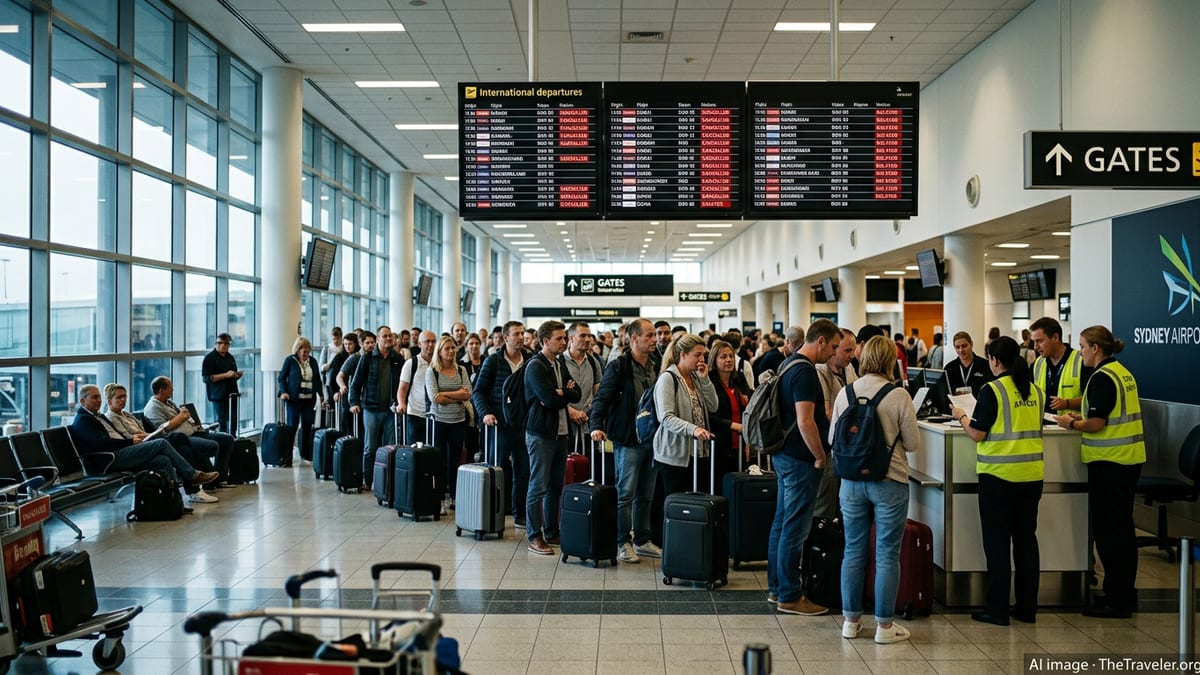
A rare slowdown while global tourism surges
Published data for 2025 shows the United States losing ground as other destinations regain or surpass their pre‑pandemic tourism levels. Industry research referenced by outlets such as CNBC and Travel Industry Wire indicates that inbound visitor spending is expected to fall by roughly 4 to 7 percent this year compared with 2024, erasing earlier forecasts of strong growth.
Analysts at Tourism Economics and other research groups describe 2025 as a reversal of momentum after robust gains in 2023 and 2024. A note cited by CNBC projected an 8.5 billion dollar decline in spending from foreign tourists, while an assessment highlighted by the Financial Express pointed to totals still well below 2019 peaks, even though domestic travel remains comparatively strong.
The United Nations’ tourism barometer confirms that worldwide travel continues to expand, with international arrivals globally hitting fresh highs in 2024 and trending higher again in 2025. In that context, the United States stands out as one of the few major destinations where inbound volumes and spending are stalling or falling, rather than accelerating.
For travelers, this means that overall demand for trips to the United States is softer, but the country’s tourism infrastructure remains busy in many major cities and national parks. The slowdown is concentrated in certain source markets and segments, with particular weakness from Canada, parts of Europe and some long‑haul overseas visitors.
What is driving the decline in 2025
Publicly available research points to a mix of economic, policy and perception factors behind the 2025 downturn. A strong US dollar has made hotels, dining and internal flights more expensive for many visitors who are paying in euros, pounds or emerging‑market currencies. Reports on travel industry performance describe American vacations as increasingly “pricey” relative to alternatives in Europe or Asia.
Policy changes are another key driver. Coverage by universities, business outlets and travel media has traced a series of new entry restrictions and visa suspensions affecting travelers from a list of countries, alongside the announcement of a forthcoming 250 dollar visa “integrity” fee for some non‑immigrant categories. Research updates circulated in early 2025 also highlight lower‑than‑expected arrival numbers following high‑profile incidents at US borders and airports.
In North America and parts of Western Europe, political tensions have further dampened interest. News reports describe organized boycotts and consumer campaigns in Canada and some European countries urging residents to avoid US trips in response to federal policies. Statistics summarized in recent coverage show double‑digit percentage drops in visitors from markets such as Germany, Spain and the United Kingdom compared with a year earlier.
Finally, competition from other destinations has intensified. China and several Southeast Asian and European countries have expanded visa‑free entry or simplified e‑visa procedures in 2024 and 2025, while also investing in marketing campaigns. With more countries actively courting international tourists, some travelers who might once have defaulted to a US vacation are choosing destinations with easier entry rules and lower costs.
Safety, access and what visitors can realistically expect
The 2025 decline in inbound tourism does not mean that travel to the United States has become inherently unsafe, but it does change the experience and expectations in several ways. International security indexes and crime statistics still paint a mixed picture: major US cities continue to welcome millions of visitors, yet travelers must prepare for uneven public safety conditions and localized protests or disruptions in some urban centers.
The prolonged federal budget disputes and a 2025 government shutdown have created additional uncertainty around iconic attractions. Coverage of the shutdown notes that national parks and monuments may remain physically open while visitor centers, museums and some facilities close or operate with reduced services. Prospective visitors need to check the operational status of specific sites close to their travel dates rather than relying on assumptions from previous trips.
Air travel infrastructure is functioning, but staffing and training delays linked to budget constraints have been flagged in official contingency documents and aviation commentary. This can translate into longer security queues at peak times and more frequent schedule changes. International travelers with tight connections on arrival should consider longer layovers to allow for immigration processing and security screening.
At the same time, weaker inbound demand from some regions can mean smaller crowds in certain gateways that previously struggled with overtourism. Museums in Washington, D.C. or cultural districts in secondary cities may feel less congested outside peak domestic holiday periods. Travelers who plan carefully can still find a safe and welcoming environment, especially if they remain alert to local conditions and follow standard urban safety practices.
Visas, costs and planning strategies for 2025 trips
Given the shifting policy landscape, visas and entry requirements are now among the most important planning steps for any non‑US visitor. Public information from the State Department and university international centers documents new suspensions or tighter scrutiny for a list of countries, covering both tourist and student categories. Travelers should not assume that previous approvals guarantee similar treatment in 2025 and are advised to begin applications earlier than in past years.
Even for travelers from visa‑waiver countries, additional fees, security checks or requests for supporting documentation are becoming more common. Reports indicate that border officials may ask for evidence of onward travel, confirmed accommodation and sufficient funds. Preparing digital and paper copies of itineraries, hotel confirmations and insurance documents can help reduce stress at inspection points.
On the financial side, a strong US dollar and higher service prices mean that daily budgets should be revised upward. Travel industry analyses suggest that hotel rates in major US cities remain elevated, and internal airfares can be significantly higher than comparable distances in Europe or parts of Asia. Visitors can mitigate some of these costs by favoring shoulder seasons, using regional airports, and looking beyond the most famous coastal hubs to secondary cities where accommodation and dining are less expensive.
Travel insurance with robust medical coverage is another prudent safeguard. Health care in the United States remains costly relative to many other destinations, and emergency treatment without insurance can lead to substantial bills. Policies that include trip interruption and delay coverage are also increasingly relevant amid the risk of policy changes, protests or weather‑related disruptions affecting flights and public transport.
How to design a rewarding US itinerary in a cooling market
For travelers who still want to experience the United States in 2025, the current downturn can present opportunities as well as challenges. With some major gateways handling fewer overseas visitors, it can be easier to secure timed tickets for popular museums, theater performances or special exhibitions, particularly outside school holidays and long weekends.
Many US states and city tourism boards are responding to the loss of international visitors by stepping up outreach, especially in cultural corridors, wine regions and outdoor recreation areas that depend heavily on overseas guests. Marketing materials and local media coverage point to new cultural festivals, revitalized downtown districts and expanded trails or heritage routes designed to attract higher‑spending, longer‑staying travelers.
Rewarding itineraries in 2025 often combine one or two classic urban gateways with time in smaller cities or rural regions. Travelers can, for example, pair New York or Los Angeles with nearby national or state parks, university towns, or lesser‑known coastal communities. This approach spreads spending to communities affected by the inbound slowdown while giving visitors a broader picture of the country beyond its most photographed landmarks.
Finally, trip planners should build flexibility into their schedules. The policy environment may continue to shift through late 2025, and exchange rates or airline capacity decisions could alter the economics of certain routes. Holding refundable or changeable bookings where possible, and monitoring both local news and airline communications, can help global travelers navigate the United States with confidence during a year of adjustment for its inbound tourism industry.