

More news on this day
International tourism to the United States is losing momentum in 2025, as forecasts point to the first annual decline in inbound visitors since the pandemic era and global travelers reassess whether, when and how to visit America.
Get the latest news straight to your inbox!
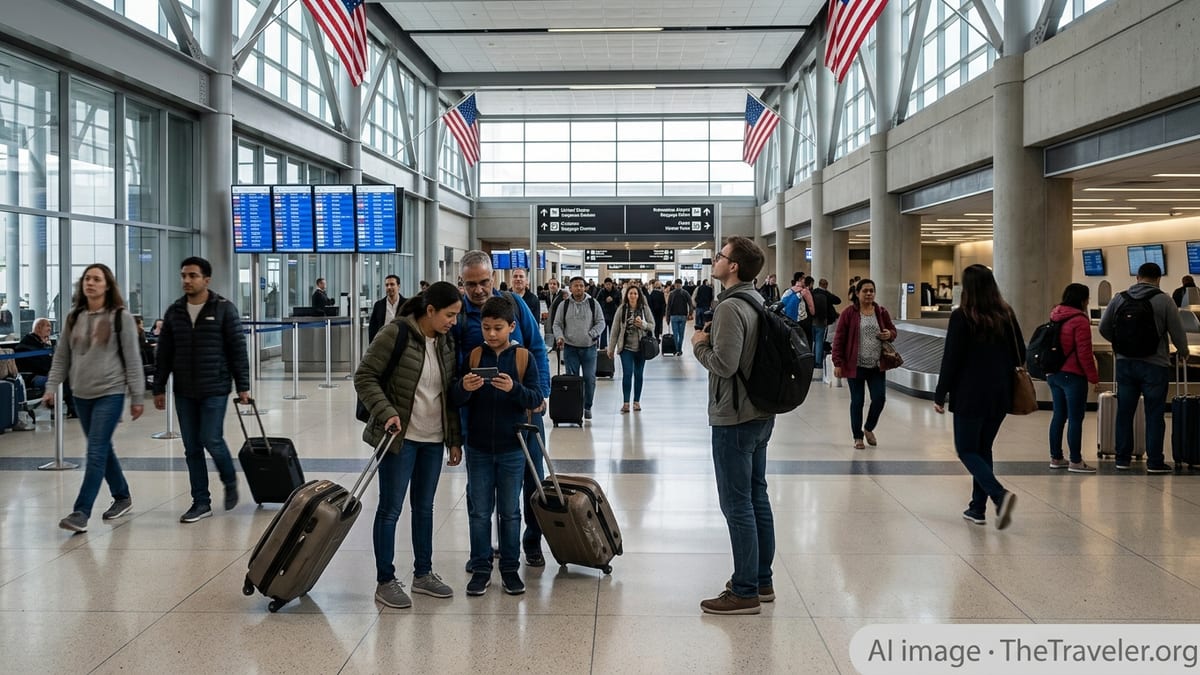
Data Shows a Rare Downturn in Overseas Visits
After two years of recovery, 2025 has brought a marked setback for inbound tourism to the United States. Industry forecasts compiled from federal and private-sector data indicate that international arrivals are expected to fall rather than grow, reversing earlier optimism that 2025 would finally surpass pre-pandemic numbers.
Analysis published by the U.S. Travel Association and Tourism Economics projects a mid-single-digit decline in international inbound travel for 2025, with some estimates pointing to a drop of more than 6 percent compared with 2024. Separate updates drawing on National Travel and Tourism Office statistics highlight that monthly arrivals began weakening in early 2025 and that several key source markets in Europe and Canada recorded double-digit percentage declines compared with the previous year.
While total global tourism continues to expand, publicly available figures show the United States losing share of international visitor spending in 2025. Market reports describe the country as an outlier among major destinations, with inbound demand softening just as competitors in Europe, Asia and the Middle East attract new long-haul travelers.
For individual visitors, this shift does not mean the United States is closed to tourism. Flights and hotels remain widely available in most regions. However, the overall downturn provides useful context for trip planning, especially around costs, crowds and the political climate shaping policy decisions that affect border crossings.
Policy Shifts, Fees and Perceptions Are Reshaping Demand
Several overlapping forces are cited in industry research as contributing to weaker inbound numbers. One of the most visible has been a set of policy changes under the current administration, including higher visa-related fees and tighter screening rules for certain nationalities. Coverage in business and financial outlets has emphasized the impact of a new visa integrity charge on some short-term visitors, adding a significant extra cost on top of standard application fees.
In parallel, a renewed travel-ban-style measure announced in mid-2025 has restricted entry for specific countries, while widely reported incidents at ports of entry have circulated on social media and in international press. Analysts note that these episodes have contributed to a perception among some travelers that visiting the United States now involves greater uncertainty at the border, even for those who are fully documented and traveling for tourism only.
Economic and currency trends also play a role. The strong U.S. dollar has made hotels, dining and internal flights more expensive for many foreign visitors when converted back into their home currencies. At the same time, several source markets face higher airfares and lingering inflation in long-haul travel costs, making competing destinations in their own regions appear more affordable.
Finally, political tensions have spilled into consumer behavior. Surveys in Canada and parts of Europe point to informal boycotts and trip cancellations tied to opposition to U.S. trade and immigration policies. Although such actions are not uniform, they are visible enough in the data to reduce demand from traditionally reliable markets and to pressure airlines to trim capacity on some cross-border routes.
What This Means for Safety and the On-the-Ground Experience
The decline in inbound tourism has prompted questions among prospective visitors about whether the United States has become less safe or welcoming. Public security data and destination reports provide a more nuanced picture. Violent crime trends vary significantly by city and state, and many of the country’s most visited areas continue to report conditions comparable to or better than pre-pandemic levels, particularly in central tourist districts with strong police and private-security presence.
Travel advisories issued by foreign ministries generally emphasize familiar cautions rather than new, countrywide warnings. Common themes include gun violence in specific urban areas, petty theft in crowded tourist zones and the importance of health insurance coverage due to high medical costs. These are not new concerns, but they remain central to responsible trip planning.
On the positive side, softer international demand has eased crowding at some flagship attractions outside peak holiday periods. Museum operators, theme parks and national parks in several regions report more manageable queues on traditionally busy days, especially where international tour groups once filled buses and guided excursions. For independent travelers willing to explore beyond a handful of gateway cities, this can translate into quieter experiences and more direct interaction with local communities.
Nonetheless, the political backdrop can influence how visitors feel. Public demonstrations, election-season rallies and sharp rhetoric around immigration are more common in some locations during 2025. Travelers are advised to monitor local news, avoid protests and be mindful of sensitivities when discussing politics, while still recognizing that many people working in tourism remain eager to welcome guests from abroad.
Planning Visas, Routes and Budgets in a Shifting Environment
For global travelers intent on visiting the United States in 2025 and 2026, the evolving landscape demands more advance preparation. First, visa timelines and costs should be checked carefully. Reports from consular services and travel advisors highlight that interview wait times can still be lengthy in some countries, and new supplemental fees may apply depending on nationality and visa category. Applying several months ahead of intended travel and ensuring all documentation is complete can reduce the risk of last-minute disruptions.
Second, route planning has become more important as airlines adjust capacity. Industry updates note that some nonstop routes, especially from secondary cities in Canada and Europe, have seen reduced frequencies, while major hubs remain well served. Travelers may find that itineraries now require an extra connection or that certain days of the week offer fewer options. Booking early and being flexible with dates and departure airports can help secure better fares and more convenient schedules.
Budgeting is another key consideration. With the strong dollar and higher travel-related fees, overall trip costs can exceed pre-2020 expectations even when headline airfare appears reasonable. Travelers are encouraged to account for accommodation taxes, car rental surcharges, domestic flight baggage fees and health insurance when comparing the United States with alternative destinations. At the same time, the cooling of demand has led to more frequent promotional offers from hotels and attractions, particularly outside peak seasons and in regions working hard to rebuild international visitation.
Digital preparedness also matters. Many U.S. services, from public transport payment systems to restaurant reservations and event tickets, are increasingly app-based. Ensuring access to mobile data, downloading relevant apps in advance and having backup payment methods can minimize friction on arrival, especially in cities where cash is less commonly accepted.
How to Make a US Trip in 2025 Still Rewarding
Despite the macro-level downturn, the United States remains one of the world’s most diverse and extensive tourism destinations, and many travelers continue to report rich and memorable experiences. The current environment simply requires more intentional choices. Selecting regions known for strong visitor infrastructure, such as major coastal corridors, national park gateways and established cultural hubs, can help first-time visitors feel more comfortable.
Industry briefings suggest that destinations outside the traditional New York–Los Angeles–Orlando triangle are particularly keen to attract international guests. Cities in the Mountain West, the Great Lakes and parts of the South are marketing their food scenes, music cultures and outdoor landscapes, often with more competitive hotel rates than the largest coastal metros. For travelers willing to rent a car or make use of domestic flights, multi-city itineraries that mix iconic sights with lesser-known stops can feel both safe and distinctive.
Cultural awareness remains important. Visitors should be prepared for regional differences in tipping customs, driving rules and attitudes toward public behavior. Reviewing local norms beforehand, keeping identification and travel documents secure and having a clear plan for medical or emergency assistance can all contribute to a smoother journey.
Ultimately, the decline in inbound tourism does not remove the appeal of the American experience. Instead, it highlights the need for travelers to stay informed about policy changes, economic conditions and social dynamics that shape the border-to-boardwalk journey. Those who do their homework, build in flexibility and approach interactions with curiosity and respect can still find the United States to be a rewarding and eye-opening destination in 2025 and beyond.