

More news on this day
Dubai’s famously sleepless nightlife is feeling the strain of a sharpening conflict involving the United States, Iran and Israel, as diverted flights, anxious tourists and higher operating costs spill over into bars, beach clubs and luxury hotels across the city.
Get the latest news straight to your inbox!
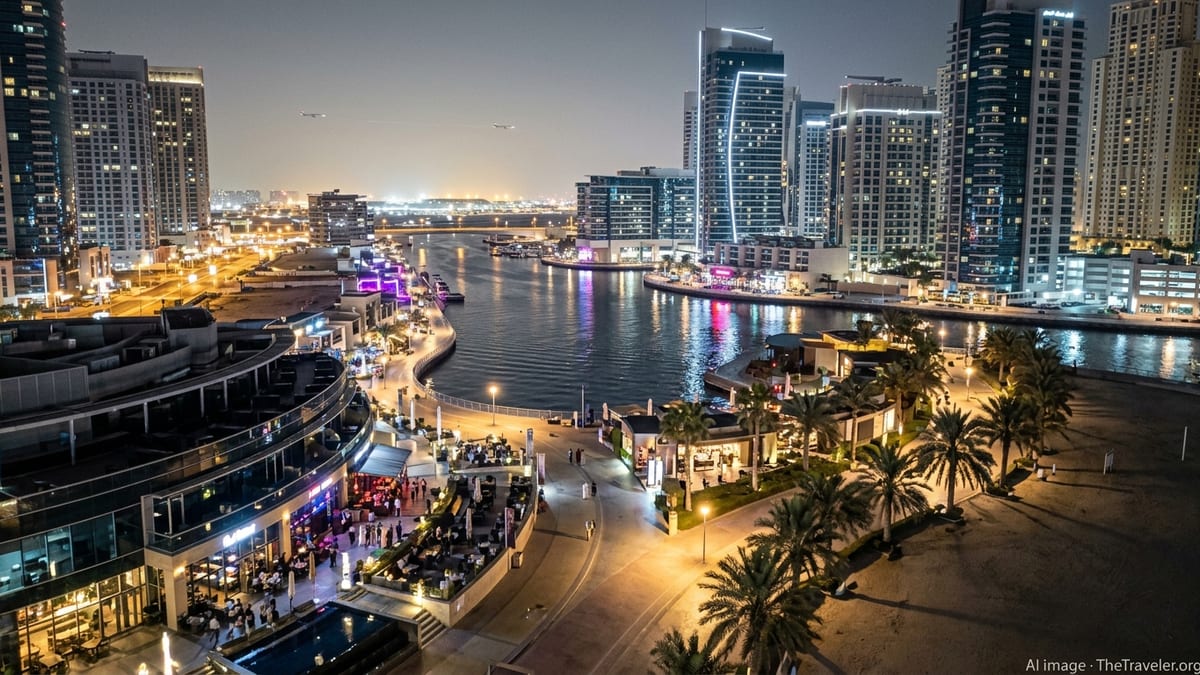
Regional Escalation Reaches Dubai’s Entertainment Districts
For years, Dubai marketed itself as a safe, neutral playground within a turbulent region, but the latest round of US–Iran–Israel hostilities is testing that image. Missile and drone exchanges across the Gulf and the eastern Mediterranean, as well as Iranian strikes that have reached targets in and around the United Arab Emirates, have pushed regional risk perceptions sharply higher. Publicly available information on the 2026 Iran war notes that the conflict has driven up oil prices, unsettled financial markets and disrupted aviation and tourism across the Middle East, a pattern now visible on Dubai’s streets and skylines.
Reports from regional media and industry briefings describe moments of real tension, including interceptions of incoming fire near Dubai and brief closures of UAE airspace as Iran and Israel traded salvos. While direct damage in Dubai has been limited so far, the symbolism of explosions over a city branded as a carefree luxury hub has resonated with travelers and tour operators, who are recalibrating their assessment of the emirate as a low-risk destination.
That shift is rippling quickly into Dubai’s nightlife zones, from the clubs of Dubai Marina and Palm Jumeirah to rooftop lounges in Business Bay and Downtown. Venue operators describe weekend peaks that are less predictable than in previous seasons, as last-minute cancellations by international visitors and corporate groups create sudden gaps in reservations, even while local residents continue to go out.
Tourism Demand Softens as Travelers Reroute
The pressure is most visible in tourism flows. Prior to the latest escalation, Dubai was on track to build on record passenger volumes in 2024 and strong visitor numbers in 2025, supported by aggressive hotel development and new attractions. Analytical notes on Gulf economies highlighted that Dubai International Airport processed more than 92 million passengers in 2024 and over 46 million in the first half of 2025, underlining the city’s dependence on continued connectivity and traveler confidence.
That momentum has slowed since the conflict intensified. Travel trade publications and airline advisories show that multiple carriers from Europe, North America and Asia have either suspended or curtailed services to Gulf hubs at various points during the crisis, citing heightened risk over Iranian and Iraqi airspace and uncertainty around sudden airspace closures. Flexible booking waivers and rerouting options have encouraged some tourists to rebook through alternative hubs or delay trips altogether, reducing the pool of high-spending visitors who typically fill Dubai’s late-night venues.
Online travel forums and regional consumer coverage indicate that prospective visitors are increasingly weighing alternatives such as Mediterranean islands, Southeast Asian beach destinations or Indian Ocean resorts when planning holidays that would previously have defaulted to Dubai. Even among those who still travel to the emirate, a portion appear to be trimming discretionary spending on nightlife, prioritizing shorter stays and fewer big-ticket evenings out.
Hotel managers and nightlife marketers are responding with discounted packages, themed events and bundled offers that pair rooms with dining and club access. These promotions aim to sustain footfall and bar revenue during periods of softer international demand, but they also compress margins, particularly for venues that rely heavily on imported talent, premium beverages and high fixed costs.
Aviation Disruptions Undercut Dubai’s 24-Hour Hub Model
Aviation is both a barometer and a driver of Dubai’s nightlife economy, and it has been hit hard by the regional conflict. Industry circulars from consulting firms and regulatory bodies describe a patchwork of airspace closures covering Iran, Iraq, Israel, Jordan, Kuwait, Qatar, Bahrain and Syria at various times since 2025, forcing airlines to cancel or reroute flights and lengthen journey times. During the most intense phases of the current crisis, Dubai International Airport has seen cancellation rates surge as carriers struggled to navigate restricted corridors and war-risk insurance conditions.
When long-haul connections into Dubai are delayed or cancelled, the impact is immediate for the city’s evening economy. Transit passengers who would normally schedule overnight layovers with time for dinner, shopping or clubbing simply do not arrive. Business travelers and weekend tourists whose flights are pushed back or rebooked frequently miss planned reservations at restaurants and nightlife venues, leading to gaps in bookings and food wastage. According to recent analyses of Gulf business conditions, regional executives now describe these aviation shocks as the most severe operational disruption since the pandemic years.
Rerouting around closed airspace also extends flight times on key routes linking Dubai with South Asia, Europe and North America. Higher fuel consumption and crew costs are feeding into airline pricing decisions, which can nudge marginal travelers to postpone or downgrade trips. That, in turn, narrows the customer base for high-end venues that rely on short, frequent city-break visits and stopover tourism.
Nightlife Operators Adjust to Volatile Trading Conditions
Inside Dubai’s clubs, lounges and live music venues, the conflict’s impact is evolving from a sudden shock into a protracted test of resilience. Publicly available commentary from regional business councils and hospitality analysts suggests that operators are dealing with a mix of softer international demand, rising input costs and higher security-related expenses, all while trying to preserve the city’s reputation for seamless, high-energy nights out.
Many venues are shifting marketing focus toward residents and long-term expatriates, offering loyalty programs, off-peak discounts and curated experiences that appeal to a local audience less sensitive to short-term geopolitical swings. Some hotel-based outlets are consolidating entertainment lineups, rotating performers between properties or shortening operating hours on quiet midweek nights to contain labor and utility costs without visibly scaling back weekend offerings.
At the same time, supply chains that support nightlife are under strain. Reports on the broader Gulf economy describe logistical disruptions linked to the Strait of Hormuz crisis, where increased security risks and higher insurance premiums have slowed shipping and pushed up the cost of imported goods. For Dubai’s nightlife scene, that can mean more expensive premium spirits, higher food costs for international menus and delays in receiving specialized lighting, sound equipment or décor used to refresh venues each season.
Despite these headwinds, there are also signs of adaptation. Some operators are highlighting homegrown DJs, regional cuisine and locally sourced ingredients to reduce reliance on long-haul supply routes and international guest talent. This pivot aligns with trends toward more authentic, regionally rooted experiences, although it may not fully offset the revenue lost from reduced high-spend tourist traffic.
Wider Economic Ripples Across Dubai’s Urban Fabric
The impact of the US–Iran–Israel conflict on Dubai’s nightlife sits within a broader economic story. Assessments of the 2026 Iran war underscore how sharply energy prices have risen amid tensions in and around the Strait of Hormuz, adding inflationary pressure to economies that depend heavily on imported goods and aviation connectivity. In Dubai, higher fuel and utility costs combine with global financial volatility to complicate budgeting and investment decisions for hospitality groups.
Commercial districts that host clusters of nightlife venues, from Dubai Marina to Downtown, support an ecosystem of taxi operators, ride-hailing drivers, late-night eateries, security firms, freelance performers and event-production companies. When tourist volumes dip and venues trim calendars, these ancillary businesses experience lower demand. Analysts tracking Gulf labor markets warn that prolonged instability could weigh on casual and part-time employment in nightlife-adjacent sectors, even if headline non-oil growth remains positive.
Urban development strategies that once assumed uninterrupted growth in premium tourism and after-dark entertainment are also being reassessed. Market research from regional consultancies points to a gradual rebalancing toward family-oriented attractions, daytime cultural offerings and business tourism, which are perceived as slightly less exposed to sudden airspace closures or conflict-induced travel advisories. While nightlife is likely to remain a key pillar of Dubai’s brand, planners and investors appear more attuned to the need for diversified revenue streams that can help the city absorb geopolitical shocks.
For now, Dubai’s skyline continues to glitter each evening, and many venues report resilient local patronage. Yet the ongoing conflict between the United States, Iran and Israel has introduced a new layer of fragility to the emirate’s night-time economy, reminding both residents and visitors that even this famously insulated playground ultimately sits within a wider, unsettled region.