

More news on this day
Transatlantic travel between New York and Tel Aviv has been thrown into fresh turmoil as the United States, Israel and Delta Air Lines move to suspend or sharply curtail flights in response to the latest military escalation in the Middle East, leaving thousands of travelers scrambling to rebook journeys or abandon plans altogether.
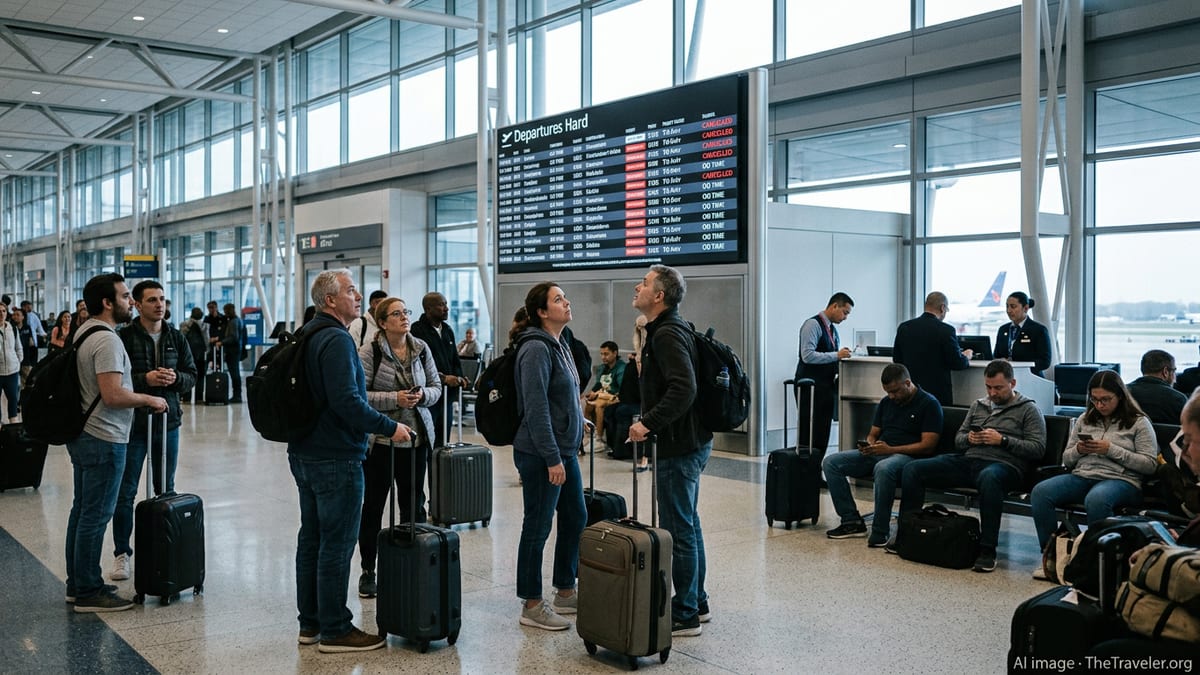
Delta Extends JFK–Tel Aviv Suspension Through Late March
Delta Air Lines has paused its nonstop service between New York’s John F. Kennedy International Airport and Tel Aviv’s Ben Gurion Airport through at least March 22 for departures from the United States and March 23 for flights returning from Israel, according to recent airline statements. The carrier cited the evolving security situation following joint US and Israeli strikes on Iran and the resulting airspace disruptions over parts of the region.
The move marks a significant escalation from Delta’s initial short‑term cancellations after the Feb. 28 strikes and comes at the start of a busy period for business and family travel between North America and Israel. The airline had built up its Tel Aviv operation in recent years, including a second daily JFK frequency over the past winter, making the suspension particularly disruptive for frequent travelers on the route.
Delta said impacted customers are being notified directly through the airline’s app and the contact details listed in their reservations as flights are removed from the schedule. The carrier is offering fee‑free rebooking and flexible travel waivers for passengers ticketed on affected New York–Tel Aviv itineraries, though availability on alternative dates and routings is already tightening due to widespread cancellations across the region.
Travel industry analysts note that Delta’s extension into late March suggests the airline does not expect a rapid stabilization of airspace conditions or security assessments. Instead, the carrier is likely to continue reviewing the route on a rolling basis, balancing operational safety with strong demand from both leisure and corporate travelers once flights can safely resume.
US and Israeli Airspace Measures Disrupt Wider Networks
The suspension of flights between New York and Tel Aviv is not limited to a single airline. US and Israeli authorities have implemented a series of airspace and security measures that are reverberating across airline networks, prompting schedule cuts and rerouting far beyond the US‑Israel corridor. In addition to restrictions directly over conflict zones, several neighboring countries have limited or temporarily closed their airspace, forcing carriers to re‑plot long‑haul routes or cancel service outright.
Major international airlines, including large European and Gulf carriers, have adjusted or halted operations to Tel Aviv and other destinations across the Middle East in response to the strikes and subsequent regional tensions. While some carriers continue to operate limited schedules using alternative routings, many have concluded that the combination of safety concerns, insurance considerations and extended flight times makes normal operations unsustainable in the short term.
For travelers, these regulatory and operational decisions mean that even itineraries not booked on Delta or not originating in the United States can be affected. Passengers connecting through New York on their way to or from Tel Aviv, or relying on onward transfers via European or Gulf hubs, are seeing long‑planned journeys unravel as airlines modify their schedules in line with evolving government guidance.
Aviation experts emphasize that safety assessments in such fast‑moving situations are conservative by design. Operators must consider not only the risk of direct military activity but also the broader implications for navigation, air traffic control reliability and emergency diversion options, all of which factor into whether a route is viable on any given day.
What Stranded Travelers Should Do Now
With flights between New York and Tel Aviv reduced or suspended, travelers are being urged to act quickly and methodically rather than simply heading to the airport. The first step, industry advisers say, is to confirm the real‑time status of any upcoming flight and to monitor for schedule changes multiple times a day, as airlines are updating timetables frequently in response to new security evaluations.
Passengers whose flights have already been canceled should work directly with the airline, their travel advisor or online travel agency to explore rebooking options. In many cases, carriers are waiving change fees and fare differences for a limited period, allowing customers to shift trips to later March dates, reroute via alternative hubs, or convert tickets to credits for future travel. However, inventory on remaining services to and from Israel is constrained, and some travelers may find that postponing nonessential trips is the most practical choice.
Experts also recommend that travelers review the fine print of their travel insurance policies. Some plans provide coverage for trip interruption, additional accommodation or new tickets when flights are canceled due to security events, while others exclude conflict‑related disruptions. Keeping receipts for hotels, meals and ground transport can be crucial for any eventual claim.
Those already overseas and attempting to return to the United States are advised to maintain close contact with their airline and, where relevant, with their embassy or consulate in case additional repatriation options or special charter services are arranged. Travelers should also be prepared for last‑minute changes, including unexpected overnight stays, different routing via third countries and extended security screening at departure points.
Booking Future Trips on the New York–Tel Aviv Route
For travelers with plans later in the spring or summer, the current wave of cancellations raises difficult questions about when to book or whether to postpone altogether. While some carriers and tourism businesses are still marketing future Tel Aviv travel, the latest suspension by Delta underscores the unpredictability of schedules in a region where airspace conditions can shift quickly.
Travel planners suggest adopting a risk‑managed approach. That can include choosing fully refundable fares where possible, prioritizing tickets purchased directly from airlines rather than third‑party platforms, and avoiding tight connections that rely on a single daily flight. Flexible hotel rates and ground arrangements that can be canceled or modified without heavy penalties may also help reduce financial exposure if flights are altered at short notice.
Corporate travel managers are reassessing essential versus discretionary trips into the region, in some cases substituting virtual meetings or routing staff via alternate hubs if they deem travel unavoidable. Universities and study‑abroad programs with links to Israel are likewise revisiting their risk assessments and contingency plans for students and faculty.
For leisure travelers, particularly those planning family visits or religious tourism, the emotional stakes are often as high as the financial ones. Many are weighing whether to proceed with bookings in the hope that services will normalize by late spring, or to defer travel until airlines and governments signal a more sustained period of stability on the New York–Tel Aviv corridor.
How to Stay Informed as the Situation Evolves
Given the rapidly changing security landscape and the differing responses from airlines and governments, staying informed is key for anyone with an interest in the New York–Tel Aviv route. Official airline channels, airport departure boards and verified government travel advisories remain the most reliable sources for up‑to‑the‑minute information on cancellations, reroutings and waiver policies.
Travelers should be cautious about relying solely on social media posts or informal messaging groups, which can quickly circulate outdated or inaccurate details. Cross‑checking any claim about newly canceled flights or reopened routes against airline communications can help avoid unnecessary trips to the airport or missed opportunities to rebook.
Specialists also encourage travelers to sign up for flight alerts and push notifications, not just for the day of travel but in the weeks leading up to departure. In a situation where timetables may be adjusted repeatedly, early notice of a schedule change can provide a critical window to secure scarce seats on alternative services.
While there is hope that the suspensions will be temporary, the current disruptions highlight how closely global travel is tied to geopolitical developments. For now, patience, flexibility and diligent monitoring will be essential tools for anyone navigating the uncertain skies between New York and Tel Aviv.