

More news on this day
The United States has raised a worldwide alert for its citizens as the escalating conflict with Iran and wider regional unrest trigger heightened security concerns, disrupted air corridors, and growing anxiety across the global travel industry.
Get the latest news straight to your inbox!
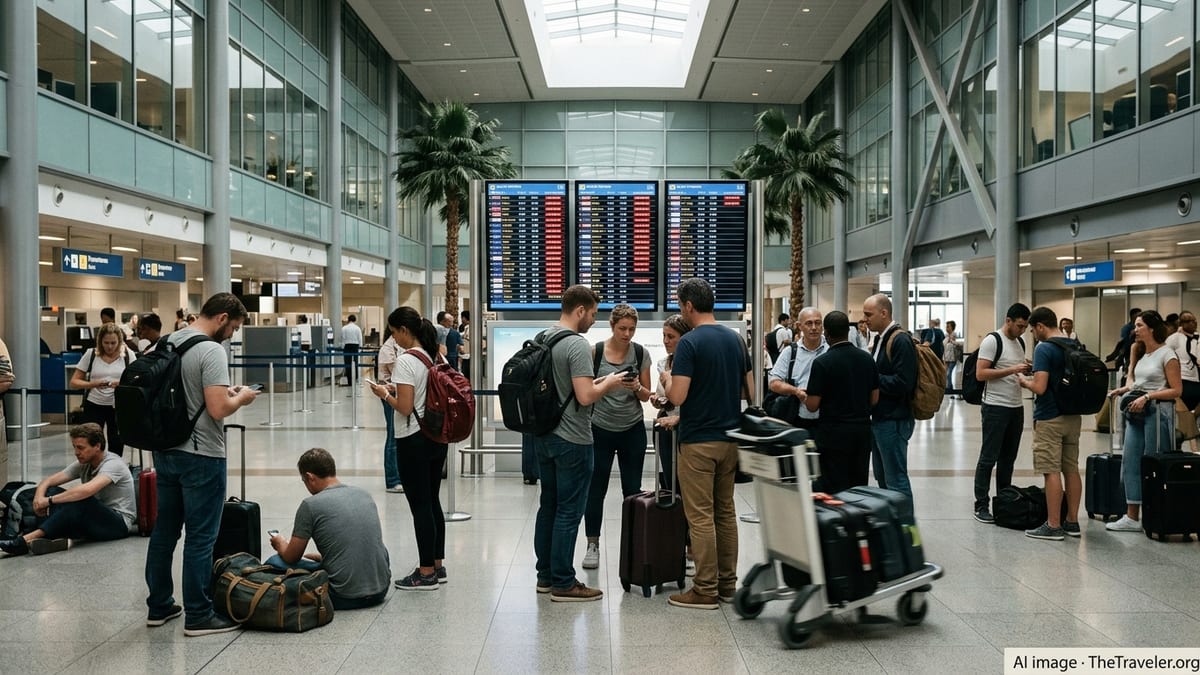
Worldwide Caution Highlights Expanding Security Risks
Publicly available information from the US government shows that the State Department issued a renewed Worldwide Caution alert at the end of February, shortly after the launch of large-scale US and Israeli operations against Iran. The advisory urges American travelers to exercise increased vigilance globally, warning that groups sympathetic to Iran could target US interests, facilities, and locations associated with Americans far beyond the immediate conflict zone.
The alert follows a wave of incidents linked to the Iran crisis, including missile and drone attacks across the Middle East, protests near US diplomatic compounds, and threats against foreign interests in multiple countries. Published coverage of the conflict indicates that Iran and aligned groups have referenced not only military and political targets, but also civilian sites that attract international visitors.
Travel security analysts note that worldwide cautions are uncommon and typically reserved for moments when risks to US citizens are judged to be elevated across multiple regions simultaneously. Reports indicate that the current warning is framed in the context of an unpredictable and fast‑moving conflict that could trigger opportunistic attacks or unrest far from front‑line areas.
The advisory does not prohibit travel but calls on Americans abroad to keep a low profile, monitor local media and official alerts, and be prepared for rapid changes in the security environment. Travelers are being encouraged to ensure that their personal information is registered with consular services and that they maintain contingency plans for sheltering in place or leaving a destination quickly.
Airspace Closures and Flight Cancellations Ripple Worldwide
According to recent aviation and news reports, the Iran war and associated missile activity have led to rolling airspace closures and reroutings over parts of the Middle East. Several regional states have imposed temporary restrictions on overflights, while commercial airlines are reworking schedules or suspending services on corridors that cross or skirt Iranian territory and neighboring conflict zones.
These airspace adjustments are pushing carriers onto longer routes, adding hours to some long‑haul journeys between Europe, Asia, and Africa. Industry trackers show that select flights have been canceled outright, leaving travelers scrambling for alternatives and increasing pressure on already stretched global networks.
Published coverage of evacuations during the 2026 Iran war points to large‑scale disruption, with stranded passengers in hubs from the Gulf to Europe as airlines reassess risk thresholds on a day‑by‑day basis. The combination of missile threats, military activity near key flight paths, and changing insurance requirements has made flight planning particularly volatile.
Travelers connecting through major hubs in the Gulf and wider Middle East are being advised by carriers and travel advisers to leave additional time for rebookings, monitor airline communications closely, and keep flexible itineraries where possible. Even journeys that do not include stops in the region can be affected if aircraft or crew rotations depend on disrupted routes.
Tourist and Recreational Sites Cited in New Threats
One of the most alarming developments for the travel sector has been Iran’s explicit references to recreational and tourist locations in its retaliatory rhetoric. International news coverage in recent days notes that Iranian officials and affiliated groups have warned of potential operations against what they describe as parks, leisure areas, and popular visitor destinations linked to their adversaries around the world.
Security advisories from private risk consultancies underscore that these statements are contributing to a broader perception of vulnerability at soft targets, including shopping districts, waterfront promenades, and iconic urban attractions that draw international crowds. While there is no uniform pattern of attacks, the invocation of such sites in public messaging is raising concern among tourism authorities and travel planners.
Many governments have responded by updating their own travel advisories, often urging citizens to stay away from demonstrations, avoid high‑profile public gatherings, and be cautious in venues that could be seen as symbolic. For American travelers, the US Worldwide Caution effectively layers over those national warnings, emphasizing a need for situational awareness even in destinations not traditionally associated with terrorism or geopolitical flashpoints.
Tour operators and hotel groups in popular urban centers have begun reinforcing visible security measures, including bag checks and restricted access points, in an effort to reassure guests without fundamentally altering the visitor experience. However, the lingering ambiguity around potential targets is likely to weigh on consumer confidence, particularly for last‑minute city‑break and event‑driven travel.
Regional Evacuations and Country‑Specific Alerts Intensify
Alongside the global alert, country‑specific warnings for Iran and neighboring states have hardened significantly. Publicly available travel advisories from multiple governments now characterize Iran as an extreme‑risk destination, often urging citizens to leave if it is safe to do so and advising against all travel. In some neighboring countries, Americans and other foreign nationals are being told to reconsider nonessential trips, particularly to areas near borders or military infrastructure.
Reports from international media and advisory firms describe a patchwork of evacuation efforts across the region, with some governments organizing charter flights and others relying on commercial options for citizens seeking to depart. For Americans, publicly available information indicates that the State Department has been collecting details from those affected via crisis intake forms and hotlines, though evacuation logistics vary by location.
Embassies and consulates in several Middle Eastern capitals have announced reduced public services, temporary closures, or shifts to remote operations, in part due to security concerns and in part because of staff redeployments. This has complicated routine consular assistance, from passport renewals to visa services, and added another layer of uncertainty for travelers and expatriate communities.
The evolving pattern of national advisories means that conditions can change with limited notice. Travelers with itineraries touching the Middle East are being encouraged by airlines, tour companies, and risk consultants to review the latest guidance not only from US authorities but also from their airlines and host governments before departure.
What American Travelers Can Expect in the Coming Weeks
Analysts following the Strait of Hormuz crisis and related military operations suggest that volatility in both security conditions and transport links is likely to persist in the short term. Ongoing naval movements, missile exchanges, and periodic strikes on energy infrastructure continue to introduce uncertainty into aviation planning and regional logistics.
Beyond the Middle East, the worldwide alert signals concern that the Iran crisis may inspire copycat incidents or opportunistic attacks in third countries. In practical terms, American travelers can expect more visible security in major transit hubs, additional screening measures, and a cautious approach by event organizers, from festivals to sports fixtures, that draw large international audiences.
Travel insurers are also reassessing exposure, and policy documents increasingly highlight exclusions related to declared or undeclared hostilities. Consumers are being advised in public articles and advisories to check whether their coverage includes trip cancellation or evacuation linked to conflict and terrorism, and to verify how a government warning might affect claims.
While there is no blanket prohibition on international travel for Americans, the combination of the State Department’s Worldwide Caution and the intensifying Iran conflict points to a more complicated landscape for cross‑border movement. For now, experts in the travel risk sector emphasize preparation, flexibility, and close monitoring of official advisories as the most practical responses to a fast‑shifting global security picture.