

More news on this day
The United States has again highlighted security concerns in Colombia, maintaining a Level 3 “Reconsider Travel” advisory that urges American travelers to carefully weigh risks from crime, terrorism, civil unrest, and kidnapping before visiting the South American nation.
Get the latest news straight to your inbox!
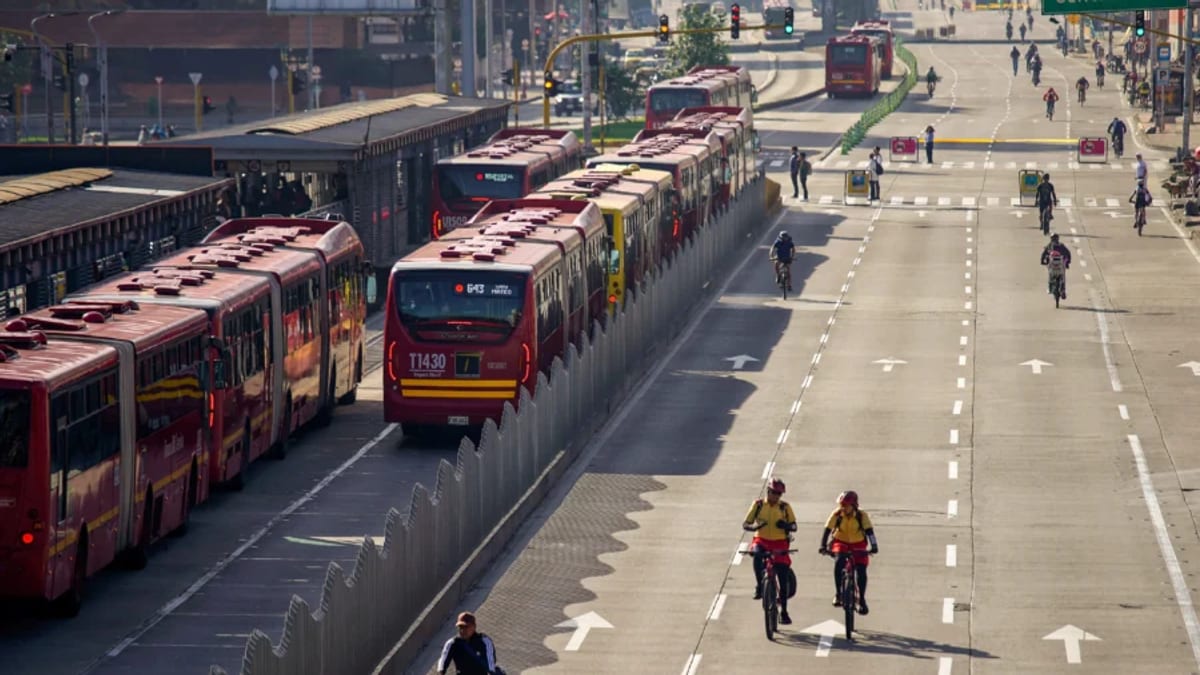
Image by ntd.com
Level 3 Advisory Highlights Persistent Security Risks
Publicly available information from the U.S. Department of State shows that Colombia remains under a Level 3 travel advisory, one of the agency’s highest warning tiers short of a full “Do Not Travel” designation. The guidance, in place through multiple recent updates, advises U.S. citizens to reconsider travel due to a combination of widespread criminal activity and ongoing security challenges.
The advisory points to crime and terrorism as core drivers of risk, with additional flags for civil unrest and kidnapping. The State Department’s rating system uses letter codes to clarify the main threats, and analysis by travel-risk observers notes that Colombia’s advisory currently reflects concerns across several categories, including crime, terrorism, unrest, and kidnap-for-ransom incidents.
According to recent summaries by travel-risk tracking services and regional security analysts, the overall Level 3 status remains in effect into early 2026. While this does not prohibit travel, it signals a higher likelihood of serious safety issues compared with destinations at Level 1 or Level 2, and encourages travelers to take extensive precautions if they choose to visit.
The continued Level 3 rating comes as the United States has also issued a separate worldwide caution, urging citizens globally to be more alert to evolving security conditions. Colombia’s advisory sits within this broader context of heightened vigilance but is driven by country-specific concerns that have persisted despite improvements in some areas over the past decade.
Regional Hotspots and “Do Not Travel” Zones Inside Colombia
Within Colombia, risk levels vary significantly by region. Recent coverage in outlets monitoring State Department notices indicates that while major cities such as Bogotá and Medellín attract international visitors, several departments and border areas are identified as particularly high-risk and are treated as de facto “no go” zones for U.S. travelers.
Previous advisory texts and recent analyses describe Arauca, Cauca (excluding the city of Popayán), and Norte de Santander among locations where U.S. citizens are urged not to travel due to crime and terrorism. The Colombia–Venezuela border region is frequently highlighted as especially dangerous because of armed group activity, cross-border criminal networks, and the risk of kidnapping or arbitrary detention.
Security experts note that armed groups, including organized criminal organizations and remnants or offshoots of insurgent movements, remain active in parts of rural Colombia. These groups are linked to extortion, illegal mining, drug trafficking, and kidnappings, particularly along borders and in isolated communities where government presence is limited.
Recent law enforcement operations reported in Colombian and international media, including large-scale arrests targeting kidnapping and extortion rings, underscore both the scale of the problem and the government’s attempts to rein in criminal networks. While such actions may disrupt specific organizations, analysts caution that they do not immediately change the broader risk picture that informs U.S. travel advisories.
Impact on Tourism Hubs and Urban Travel
Despite the elevated advisory level, Colombia’s major tourism gateways, including Bogotá, Medellín, Cartagena, and other popular cities, continue to receive international visitors. Travel-focused outlets that track safety conditions stress that many tourist districts in large cities experience lower levels of violent crime than high-risk rural or border regions, although petty theft and opportunistic crime remain common.
Guidance compiled from recent travel-risk reports recommends that visitors who choose to travel focus on well-known urban areas, avoid traveling at night between cities, and rely on reputable transportation providers. Travelers are also advised to stay in established neighborhoods, keep a low profile, and follow local news closely for information on demonstrations, roadblocks, or sudden shifts in security conditions.
Security analysts highlight that protests and political demonstrations can occur with limited notice in major Colombian cities. While many gatherings are peaceful, some have turned confrontational in past years, prompting road closures, disruptions to public transportation, and clashes between protesters and security forces. U.S. travelers are therefore encouraged to avoid large crowds and to leave areas where tensions appear to be rising.
Insurance and corporate travel managers report that the Level 3 designation often triggers stricter internal rules for business travel. Some organizations require special approvals, additional security reviews, or the use of local security consultants before authorizing trips, particularly when itineraries include travel outside Colombia’s main urban centers.
Kidnapping, Crime Patterns, and Evolving Threats
Colombia’s advisory explicitly references the risk of kidnapping and hostage-taking, a concern that has long shaped perceptions of travel to the country. While reported kidnapping rates are far lower than peak levels seen during periods of intense conflict, criminal groups continue to view abductions and extortion as lucrative sources of income in certain regions.
Analysts who monitor regional security trends point out that both politically motivated and purely criminal kidnappings have been documented in recent years, including incidents affecting local residents, businesspeople, and occasionally foreign nationals. The U.S. government notes in its general guidance that it may have limited ability to provide emergency services in areas where its own personnel face movement restrictions, a factor that also influences how advisories are framed.
Beyond kidnapping, the broader crime picture features armed robbery, carjacking, and assaults, particularly in areas where tourists may stand out or where economic inequality is pronounced. Travel-risk briefings compiled by law firms, security consultancies, and insurance providers advise visitors to be cautious when using ATMs, to avoid displaying valuables, and to be selective about nightlife venues and late-night transportation.
The continued presence of dissident factions and criminal organizations linked to drug trafficking also contributes to a fluid security environment. Observers note that local power dynamics can shift quickly as groups compete for control of routes and territories, which can lead to sudden flare-ups of violence in areas that had been relatively calm.
What Travelers Should Consider Before Booking
For Americans weighing a trip to Colombia in 2026, the Level 3 advisory serves as a strong signal to conduct detailed research and prepare for heightened risks. Travel analysts suggest that potential visitors review the most recent country-specific advisory text on a regular basis, since updates may change the assessment for particular departments, border areas, or cities.
Specialists in travel security recommend that prospective travelers enroll in government alert systems where available, share itineraries with family or friends, and maintain flexible plans that allow for rapid changes if conditions deteriorate. Many risk consultants also suggest considering travel insurance policies that include medical evacuation and security-related coverage, particularly for those planning to visit areas outside the main tourist corridors.
Comparative data on global advisories shows that Colombia’s Level 3 status places it alongside a group of countries where serious security challenges coexist with established tourism sectors. For some travelers, this combination may be acceptable if they are willing to adopt strict safety practices, while others may prefer to delay or redirect trips until risk ratings improve.
As 2026 progresses, travel industry observers will be watching closely for any changes in Colombia’s security landscape and in the official U.S. advisory. For now, the message from publicly available U.S. government information and independent risk assessments remains consistent: anyone considering travel to Colombia should carefully reconsider their plans and, if they proceed, take robust steps to minimize exposure to crime, unrest, and other threats.