

More news on this day
The United States has intensified its warnings over the risks of wrongful detention in countries on its highest-tier travel advisory list after the recent release of an American citizen held for more than a year in Taliban-ruled Afghanistan, a destination already flagged as a “Do Not Travel” country by the U.S. government.
Get the latest news straight to your inbox!
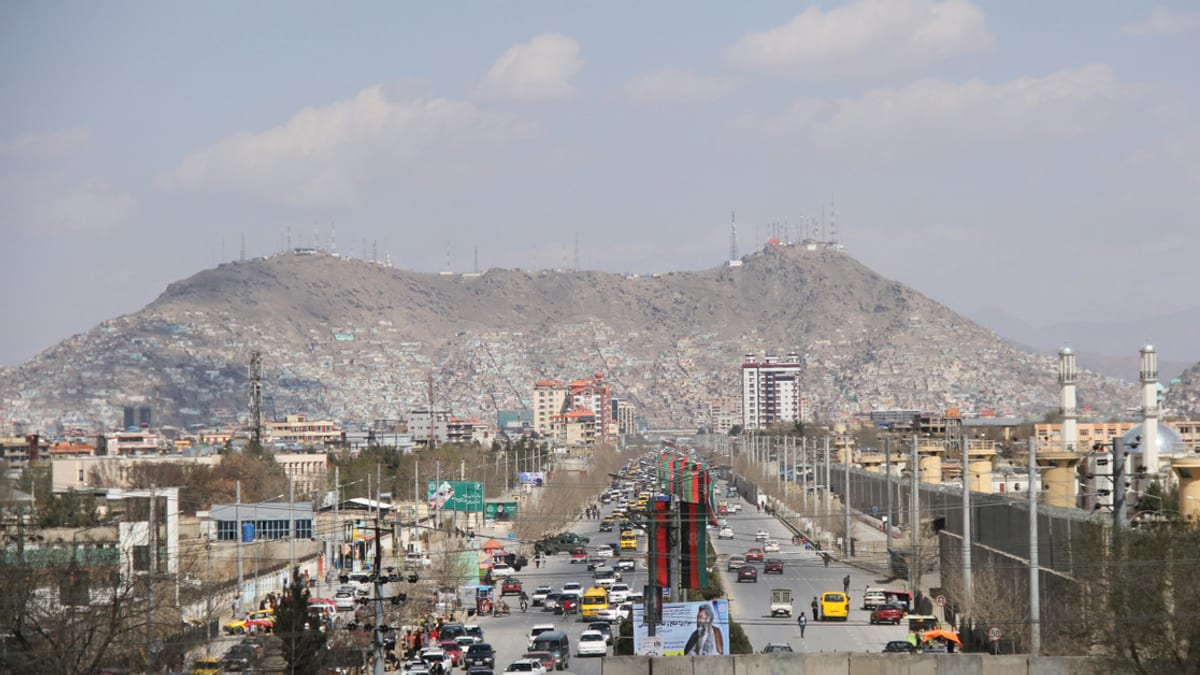
Image by TheTravel
Release in Afghanistan Renews Focus on Wrongful Detention Risks
Publicly available information indicates that Afghanistan’s Taliban authorities announced in late March the release of U.S. citizen Dennis Coyle, who had been detained for over a year following his arrest in January 2025. Rights advocates tracking his case describe him as one of several Americans held arbitrarily in the country, which the U.S. government classifies as extremely high risk for kidnapping and detention.
According to recent coverage, Secretary of State Marco Rubio has designated the Taliban government a “state sponsor of wrongful detention,” a label that underscores Washington’s assessment that U.S. nationals face a particular risk of being seized and held as leverage in political disputes. The designation, reports suggest, could pave the way for tighter controls on the use of U.S. passports for travel to Afghanistan and additional sanctions-style measures.
The U.S. travel advisory for Afghanistan has long been at Level 4, “Do Not Travel,” but the combination of a high-profile prisoner release and the wrongful-detention designation has moved the issue higher on the diplomatic agenda. Analysts note that the case illustrates how individual releases, while welcomed by families, are increasingly tied to broader security and foreign policy debates about the dangers facing Americans in conflict zones.
Commentary in policy papers and think-tank reports stresses that Coyle’s release does not mean conditions have improved for travelers. Instead, the move is being interpreted as a reminder that other Americans may remain in custody and that any future travel to Afghanistan by U.S. citizens could carry significant personal and diplomatic consequences.
State Department Tightens Line on “Do Not Travel” Destinations
Recent government publications describe how the State Department now evaluates countries across a series of risk indicators, including terrorism, civil unrest, crime, health threats, kidnapping and wrongful detention, before assigning one of four advisory levels. Level 4 is reserved for places where U.S. officials judge the dangers to be so severe that nonessential travel should be avoided altogether.
Afghanistan is not alone on the Level 4 list. Several states in the Middle East and other regions have recently been subject to upgraded advisories amid expanding regional conflict and political instability. Briefings from congressional and research offices highlight how travel guidance has been revised in light of drone and missile strikes, threats to diplomatic facilities and an expanding pattern of detentions involving both dual nationals and visiting Americans.
In some cases, “Do Not Travel” language has been paired with separate messages urging U.S. citizens already in certain countries to leave as soon as they can safely do so. Security alerts related to Venezuela earlier this year, for example, urged Americans to depart immediately, citing multiple risks including wrongful detention, arbitrary enforcement of local laws and severely limited consular support.
Background material prepared for lawmakers notes that the Secretary of State has authority to restrict the use of U.S. passports for travel to specific countries where wrongful detention has become a systemic problem. Policy memoranda indicate that such restrictions may be lifted only after a foreign government releases detained U.S. nationals and demonstrates sustained improvements in its treatment of visitors.
Worldwide Caution Highlights Broader Climate of Risk
The heightened focus on wrongful detention is unfolding alongside a wider security backdrop. In late March, the State Department issued a global “worldwide caution” alert, advising Americans abroad to exercise increased vigilance amid what officials describe in public advisories as an elevated threat environment linked to multiple regional conflicts.
Reporting by international and U.S. outlets notes that the worldwide alert references periodic airspace closures, attacks and threats against diplomatic facilities, and the possibility that groups aligned with U.S. adversaries could target locations associated with Americans. Travelers are being urged in official materials to monitor embassy security messages, review evacuation options and ensure that family members know how to reach them during disruptions.
Travel industry commentary suggests that these layered warnings are reshaping how risk-conscious travelers plan trips. Advisers interviewed in recent coverage say clients increasingly cross-check tour plans against the State Department’s advisory map and, in some cases, are postponing or canceling visits to destinations that are approaching or have reached Level 4 status.
Security analysts writing in specialist publications argue that the combination of country-specific “Do Not Travel” advisories and a standing worldwide caution is unusual in its scope. They describe it as reflective of a moment in which geopolitical crises, targeted detentions and information blackouts intersect to create complex challenges for any American considering travel to politically volatile regions.
Families of Detainees and Advocacy Groups Increase Pressure
The renewed public attention to wrongful detentions abroad has energized families and advocacy organizations that campaign for Americans held overseas. Groups that track hostage and detainee cases have welcomed the release in Afghanistan while underscoring that numerous U.S. nationals remain imprisoned in countries with strained relations with Washington.
Open letters from lawmakers and advocacy networks highlight a range of cases, from Americans detained in conflict zones to dual nationals facing long prison terms under security laws in countries with poor human rights records. These campaigns often call on the U.S. government to pair high-level diplomacy with clearer public messaging on the dangers of travel to such destinations.
Policy briefs circulating in Washington note that Congress has expanded the tools available to the executive branch to respond to wrongful detentions, including targeted sanctions and public designations that name governments or entities engaged in hostage-taking. These measures are intended both to pressure foreign authorities and to signal to U.S. citizens that certain destinations pose an unusually acute risk.
Analysts caution, however, that while individual releases are sometimes secured through complex negotiations, they do not necessarily change the structural incentives that drive hostile governments or armed groups to detain foreigners. As a result, families of current detainees continue to push for strong, consistent messaging that reinforces the “Do Not Travel” status of high-risk countries until patterns of abuse demonstrably change.
What Travelers Should Know Before Booking High-Risk Trips
For U.S. citizens weighing trips to politically unstable regions, the latest developments serve as a pointed reminder to treat official travel advisories as an essential planning tool. Government resources emphasize that Level 4 alerts are not issued lightly and are based on a combination of intelligence assessments, incident reports and local conditions that are often hidden from casual visitors.
Experts quoted in recent travel and security coverage recommend that Americans check not only a country’s overall advisory level but also the date of the most recent update and any regional or city-specific cautions. In some nations, the State Department has designated particular provinces or border areas as especially dangerous because of kidnapping, terrorism or wrongful detention threats, even when the national-level advisory is slightly lower.
Specialists also note that travel insurance policies may exclude coverage for trips that go against government “Do Not Travel” notices, leaving travelers exposed to significant financial and personal risk if itineraries proceed despite clear warnings. In addition, where the United States lacks a functioning embassy or consulate, the government’s ability to assist detained or injured citizens can be severely limited.
The recent release of an American from Afghan detention, set against a backdrop of new designations and global security alerts, highlights an emerging consensus across policy and travel circles. The message is that while some individuals will continue to seek out high-risk destinations, Americans contemplating such journeys should weigh the possibility of wrongful detention as seriously as they would more familiar threats such as crime or disease.