

More news on this day
The United States has issued an urgent worldwide travel warning, cautioning American citizens to exercise increased vigilance across the globe after the launch of US combat operations in Iran and retaliatory strikes that have sharply escalated regional tensions.
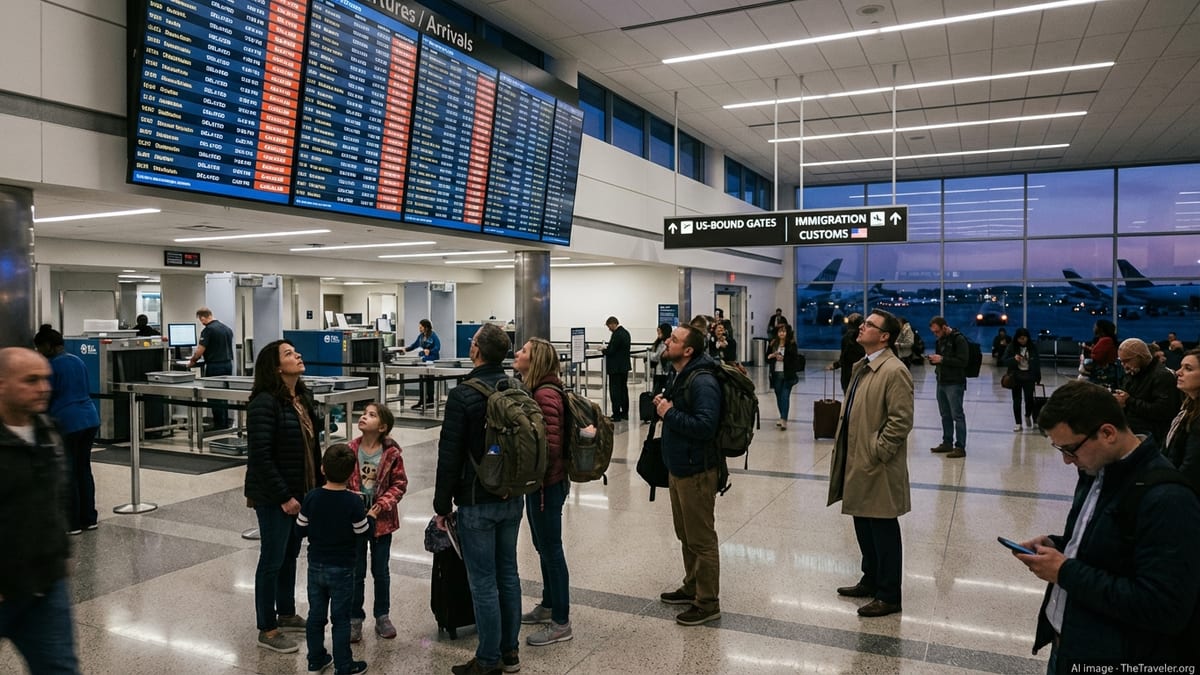
Rare Worldwide Caution Signals Elevated Global Risk
The US Department of State reactivated its infrequently used Worldwide Caution alert on February 28, warning that Americans everywhere, and especially those in the Middle East, face a heightened risk environment following strikes on Iran. The advisory, published on the State Department’s official travel site, urges citizens to “exercise increased caution” and closely follow security alerts from nearby embassies and consulates.
Officials say the alert reflects concern over potential retaliation, anti-US demonstrations, and opportunistic attacks against American travelers and interests abroad. While not tied to a specific, publicly identified plot, the warning underscores the global ripple effects of the latest military action and the potential for sudden security shifts in multiple regions.
Risk analysts note that such worldwide alerts are reserved for moments when US actions or global events could spur broad, unpredictable blowback. Previous iterations have followed major terror attacks or wars, but the current notice comes as airspace closures, missile launches, and protests are unfolding in real time across parts of the Middle East.
Middle East Travel Disrupted as Airspace Tightens
The most immediate impact is being felt across the Middle East, where several countries have announced temporary airspace closures or severe restrictions following the strikes and subsequent Iranian retaliation. Travelers are reporting cancellations and delays on routes that transit Gulf hubs, including flights connecting Europe, Asia, and North America via regional gateways.
U.S. embassies in countries such as Israel, Qatar, Türkiye, and others have issued parallel security alerts that build on the global notice. Messages to Americans in the region emphasize the possibility of missile, drone, or rocket fire, as well as localized unrest, and advise citizens to limit nonessential movement, avoid border regions, and prepare for sudden changes in commercial flight availability.
Some diplomatic posts have moved to authorized or ordered departure for nonessential staff and family members, a step that often signals expectations of prolonged volatility. In certain locations, consular services have been scaled back to emergency assistance only, further complicating plans for travelers who may need documents or direct in-person support.
Heightened Threat of Protests and Anti-US Sentiment
Beyond the immediate conflict zone, security experts warn that the strikes on Iran could trigger anti-US demonstrations and sporadic unrest in world capitals, particularly around American embassies, consulates, and symbolic sites. The Worldwide Caution specifically urges travelers to stay away from large gatherings and to maintain a low profile in public.
Major protests have already been reported in parts of the Middle East, North Africa, and Europe, with authorities in some cities stepping up security around diplomatic missions and key transport hubs. Even peaceful demonstrations can quickly disrupt travel, leading to public transport closures, roadblocks, and temporary shutdowns of nearby tourist areas.
Travel risk consultants say Americans should anticipate an uptick in airport security checks, entry questioning at immigration, and more visible police or military presence near hotels, landmarks, and transit stations. Travelers are advised to factor these disruptions into itineraries, allowing extra time for connections and avoiding tight schedules that could be derailed by sudden security measures.
Guidance for Americans Abroad and Those Planning Trips
In its alert, the State Department urges US citizens to carefully review country-specific travel advisories before departure and to monitor them frequently throughout their trips. In several destinations, especially in and around Iran, Iraq, Syria, Yemen, and Lebanon, advisories now range from “reconsider travel” to “do not travel,” with detailed warnings about terrorism, civil unrest, kidnapping, and wrongful detention risks.
Americans already overseas are strongly encouraged to enroll in the Smart Traveler Enrollment Program, which allows embassies to send security updates directly via email or text and helps officials locate and assist citizens during crises. Travelers are also being urged to keep their phones charged, carry backup power sources, and ensure that family members at home have copies of passports and itineraries.
Security professionals recommend reviewing hotel emergency procedures, knowing the location of shelter areas and multiple exits, and identifying at least two alternative routes to airports or land borders. Travelers should keep essential documents and a small emergency kit, including medications and basic supplies, ready to go in case they must relocate or depart on short notice.
What This Means for Future International Travel Plans
For Americans considering new international trips in the coming weeks, the worldwide warning does not amount to an outright ban on travel but does signal that risk calculations have changed. Industry analysts expect some travelers to delay or rebook itineraries involving the Middle East or nearby regions until the trajectory of the conflict becomes clearer.
Airlines and tour operators are closely tracking developments, with some carriers rerouting flights to avoid contested airspace and reviewing schedules for destinations seen as at greater risk of disruption. Travelers are being urged to read fare rules and insurance policies carefully to understand what is covered in the event of war-related cancellations or diversions.
While many popular destinations outside the immediate conflict zone remain open and operational, the State Department’s Worldwide Caution is a reminder that geopolitical tensions can quickly shape the safety and practicality of international journeys. For now, officials and security experts alike are advising American travelers to stay informed, stay flexible, and be prepared to adjust plans as the situation surrounding Iran and the broader region continues to evolve.