

More news on this day
The United States has issued an urgent worldwide caution for citizens traveling abroad, citing rising geopolitical tensions, terrorism concerns and disrupted air routes that are prompting many Americans to reassess international plans in early 2026.
Get the latest news straight to your inbox!
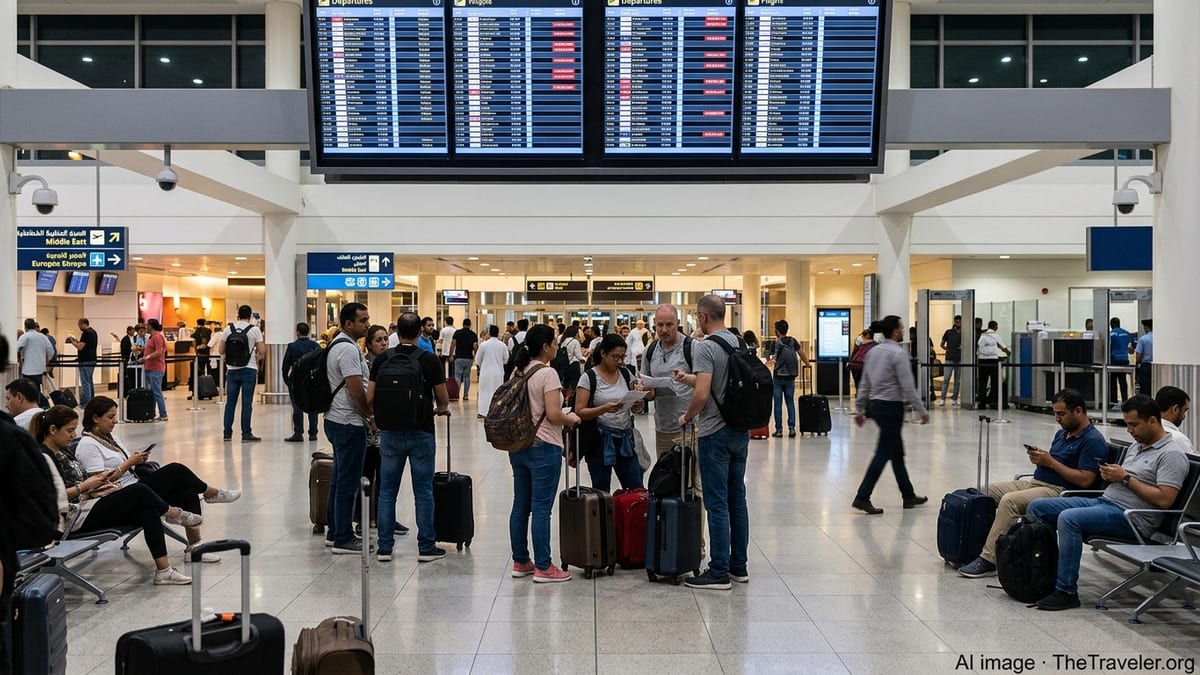
A Rare Global Alert Signals Intensifying Security Climate
The latest Worldwide Caution, updated on February 28, 2026, urges U.S. citizens to exercise increased vigilance anywhere outside the country, underscoring that security risks are no longer confined to traditional hotspots. Publicly available State Department information describes the alert as a response to a combination of terrorism threats, potential retaliatory attacks, and the spillover effects of armed conflicts on travelers.
The notice follows a series of regional crises that have steadily elevated the overall risk profile for Americans overseas. Over the past two years, the escalation of conflict involving Iran, the Gaza war’s aftershocks, attacks on U.S. interests in the Middle East, and instability in parts of the Caribbean and Africa have created a volatile backdrop for international tourism and business travel.
Analysts note that worldwide cautions are not unprecedented, but the current advisory arrives in a markedly strained environment. Security-focused coverage points to a pattern of repeated global alerts since late 2023, each tied to specific trigger events, that together signal a more persistent era of uncertainty rather than a short-lived spike in risk.
The cumulative message now emerging for travelers is that potential danger zones are more fluid, and that perceptions of “safe” and “unsafe” destinations can shift quickly in response to fast-moving events.
Middle East Conflict and Airspace Disruptions Reshape Routes
One of the most visible impacts for travelers is in the skies above the Middle East. Reports from major outlets indicate that recent U.S. and Israeli military operations targeting Iran have led to closures of regional airspace, rerouted commercial flights, and delays affecting passengers far beyond the immediate conflict zone.
Airlines have temporarily suspended or adjusted service to hubs in the Gulf and broader region in response to security assessments and overflight restrictions. According to travel industry reporting, disruptions linked to the Iran confrontation and ongoing unrest have had knock-on effects on connections between North America, Asia and Africa, forcing carriers to lengthen routes or opt for alternative corridors.
Government advisories now place several countries in the region, including Iran and Iraq, at the highest “do not travel” level, while others carry stern warnings about the risk of missile or drone attacks, civil unrest, and limited consular support during crises. Travel risk firms say the combination of airspace uncertainty and elevated threat levels is causing corporations to reexamine routing for staff and to postpone nonessential trips through certain hubs.
For leisure travelers, these developments have reduced the appeal of popular stopover destinations and complicated long-haul itineraries that once relied on seamless transits through the Middle East.
Threats Range From Terrorism to Cyber Attacks and Civil Unrest
The Worldwide Caution highlights a broad range of potential threats, from conventional terrorism risk to demonstrations that can quickly turn confrontational. Coverage of the alert notes that crowded public areas, transportation hubs, hotels and tourist attractions remain particular concerns, with officials emphasizing that incidents may occur with little or no warning.
In addition to physical security issues, recent advisories and homeland security bulletins referenced in media reports draw attention to cyber threats linked to state and nonstate actors. Analysts say pro-Iranian hacking groups and other politically motivated actors have increased low-level cyber activity that can disrupt services and target critical infrastructure, potentially affecting the travel experience even when physical danger is low.
Separate updates in recent years have also called attention to specific at-risk communities, including LGBTQI+ travelers and those attending large public events, amid concerns about ideologically motivated attacks. Universities and study abroad programs have echoed this guidance in campus-wide notices, advising students and faculty overseas to avoid demonstrations, monitor local developments and maintain low profiles.
Risk consultants observe that the widening spectrum of threats has made security planning more complex. Instead of focusing solely on terrorism or crime in a particular country, travelers and companies now weigh a matrix of concerns that includes cyber vulnerabilities, political protests, wrongful detentions and the possibility of rapid border or airport closures.
Americans Reconsider Leisure Travel and Study Abroad Plans
The global warning is arriving at a time when demand for international travel from the United States had been rebounding strongly after the pandemic. Industry surveys from 2025 indicated that many Americans were eager to travel abroad again but increasingly factored geopolitical stability into destination choices, particularly for family trips and educational travel.
Following the latest worldwide alert and heightened Middle East tensions, travel advisors report more clients asking about contingency plans and safety records of destinations. Some travelers are shifting from itineraries that involve multi-country routes or politically sensitive regions toward perceived lower-risk options in Western Europe, parts of Asia and the Americas.
Study abroad offices at U.S. colleges and universities have been reassessing program portfolios as well. Public campus advisories emphasize the need for robust evacuation planning, close tracking of State Department country advisories and flexible arrangements with partner institutions. In some cases, programs in high-risk locations have been paused, while others proceed with enhanced briefings and mandatory registration in traveler enrollment systems.
Families and independent travelers are also paying closer attention to the fine print of travel insurance, seeking coverage that addresses trip interruption tied to security incidents as well as medical emergencies.
What the Warning Means for Travelers Right Now
The 2026 Worldwide Caution does not bar Americans from going abroad, but it serves as a strong signal to prepare more thoroughly and to remain adaptable. Travel risk specialists recommend that U.S. citizens considering overseas trips review the specific advisory level for each country, understand local security conditions, and weigh whether travel is essential in the short term to regions directly affected by conflict.
Publicly available guidance encourages travelers to keep their itineraries and contact information updated in government traveler enrollment programs, so they can receive security alerts and be easier to reach in an emergency. Many universities and large employers now require or strongly encourage such registration for sponsored travel.
Security professionals stress the importance of situational awareness, suggesting that travelers map out hospitals, alternative routes and safe meeting points in major cities before arrival. They also advise carrying backup copies of travel documents, maintaining access to multiple payment methods, and planning for the possibility of sudden flight cancellations or border restrictions.
While international travel continues and many destinations remain relatively calm, the latest U.S. global warning underscores that risk is more diffuse and dynamic than in previous years. For Americans looking abroad in 2026, the decision is less about abandoning travel altogether and more about recalibrating expectations, building in flexibility, and acknowledging that the line between routine trip and crisis can shift with little notice.