

More news on this day
A new cross-border hospitality venture is set to add momentum to Saudi Arabia’s tourism build-out, as the US-based Patel Family Office teams up with Saudi investment group AHQ to develop AYARA Hotels, a planned 1 billion dollar portfolio of properties across Riyadh, Jeddah and NEOM by 2029.
Get the latest news straight to your inbox!
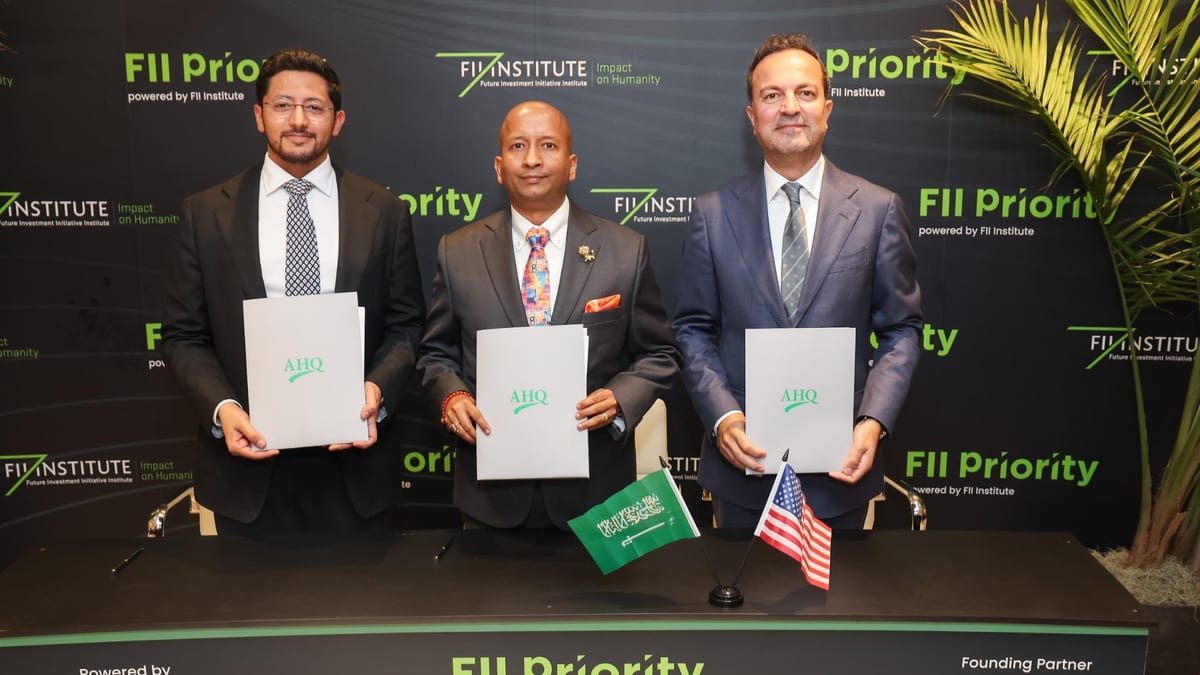
Image by International Hotels News, Hotel Industry & Hospitality News
Strategic Expansion Across Riyadh, Jeddah and NEOM
According to early project information and sector commentary, the AYARA Hotels brand is expected to focus on upper-upscale and luxury properties strategically located in Saudi Arabia’s most dynamic urban and tourism hubs. Riyadh, the political and business capital, Jeddah on the Red Sea coast, and the emerging giga-project NEOM have all been singled out by analysts as core destinations in the kingdom’s hospitality growth story.
Reports indicate that the planned 1 billion dollar investment will be phased over several years to align with delivery timelines for new infrastructure, event calendars and airline capacity. Riyadh is anticipated to absorb a significant share of the initial development, supported by strong corporate demand and a growing calendar of conferences and high-profile gatherings. Jeddah’s role as a gateway to the Red Sea and the holy cities is expected to underpin year-round occupancy potential.
NEOM, positioned as a flagship destination under Saudi Arabia’s transformation agenda, is viewed by market observers as the highest risk and highest reward component of the AYARA pipeline. Industry commentary describing NEOM as a frontier hospitality market highlights the potential for innovative resort, lifestyle and eco-focused concepts that could differentiate AYARA within a crowded global branding landscape.
Family Office Capital Targets Saudi Hospitality Upside
The partnership underscores the increasing role of family office capital in Saudi and Gulf real estate, particularly in hospitality and leisure. Research on family offices in the region notes that they are moving beyond passive holdings in local real estate toward more diversified, global and sector-specific strategies, with tourism and entertainment featuring prominently.
Publicly available analysis of Saudi family office trends points to a preference for direct investments and joint ventures in sectors that align with long-term demographic and policy shifts. Hospitality, supported by population growth, infrastructure spend and regulatory reform, fits this profile. The AYARA initiative reflects that tilt, combining an American family office with a local Saudi counterpart in a platform model rather than a single, stand-alone asset.
For the Patel Family Office, the move into Saudi hospitality is consistent with a wider pattern of US private capital exploring exposure to Gulf real assets in search of yield, diversification and access to structural growth. For AHQ, the collaboration offers international branding, asset management practices and access to global distribution networks, while retaining local insight into regulation, land assembly and contractor ecosystems.
Riding the Vision 2030 Tourism Wave
The AYARA project is emerging at a time when Saudi Arabia is channeling substantial resources into tourism and entertainment as part of its Vision 2030 economic diversification agenda. Official strategies have set ambitious targets for visitor numbers and tourism’s contribution to gross domestic product, prompting a wave of hotel announcements in Riyadh, Jeddah and emerging destinations such as NEOM, the Red Sea coast and Diriyah.
Market analysis from regional and international consultancies highlights that Riyadh and Jeddah are already experiencing tightening prime hotel supply as demand from business, events and leisure segments broadens. NEOM and other giga-projects are described as moving from planning to delivery, with new resorts, island destinations and mixed-use districts beginning to open or enter advanced construction stages.
In this context, analysts suggest that the AYARA Hotels pipeline is likely to target gaps identified between international luxury chains and domestic midscale offerings. By positioning AYARA as a homegrown Saudi brand with international backing, the partnership appears designed to appeal both to global travelers seeking authenticity and to regional guests familiar with local cultural expectations.
Capital Deployment, Phasing and Market Risks
Reports on Saudi hospitality investment in recent years have underscored the sheer scale of capital flowing into the sector, with sovereign and private investors backing thousands of planned keys across the kingdom. At the same time, research notes that listed Saudi hospitality and real estate vehicles have sometimes traded at discounts to underlying asset values, reflecting investor caution around execution risk, regulatory clarity and timelines.
Against this backdrop, sector specialists describe phased deployment as a key risk management tool. A staggered roll-out of AYARA Hotels across the three cities would allow the partners to calibrate room count, pricing and product mix as new data on occupancy, rates and demand patterns emerge. It also provides flexibility to adjust designs to evolving traveler preferences, including growing expectations for sustainability, wellness and digital integration.
Currency dynamics, construction costs and interest-rate trends add further complexity. While Saudi Arabia’s peg provides a degree of predictability for dollar-based investors, fluctuations in global funding conditions and supply-chain pricing can materially affect project returns. Observers also point to competition from both international brands expanding their Saudi portfolios and new Saudi hospitality companies launched with the backing of the Public Investment Fund.
Implications for the Saudi Hotel Landscape
If delivered as outlined, AYARA Hotels would add another branded layer to Saudi Arabia’s hotel ecosystem, which is already in the midst of rapid transformation. New national operators and concepts are being created to reflect Saudi identity, while established international chains continue to grow their footprint through management agreements and joint ventures. The entry of an American family office-backed platform adds further diversity to the ownership base.
Hospitality analysts suggest that cross-border ventures of this kind can accelerate knowledge transfer in areas such as revenue management, digital marketing and customer experience, especially when they combine local cultural understanding with international operating benchmarks. Over time, this may contribute to a more sophisticated and segmented hotel market, spanning ultra-luxury coastal resorts, lifestyle urban properties and more accessible mid-market options.
For Riyadh, Jeddah and NEOM, the proposed investments reinforce their positioning as anchor destinations within the national tourism map, each serving distinct demand drivers yet tied together by improved connectivity and coordinated promotion. For the broader market, the AYARA initiative will be watched as a test case for how family office partnerships can navigate the opportunities and challenges of Saudi Arabia’s evolving hospitality landscape through 2029 and beyond.