

More news on this day
A new U.S. Customs and Border Protection preclearance facility at Billy Bishop Toronto City Airport is transforming how travelers move between downtown Toronto and the United States, with reports indicating that the March 10, 2026 launch is already reshaping transborder flight options and passenger flows.
Get the latest news straight to your inbox!
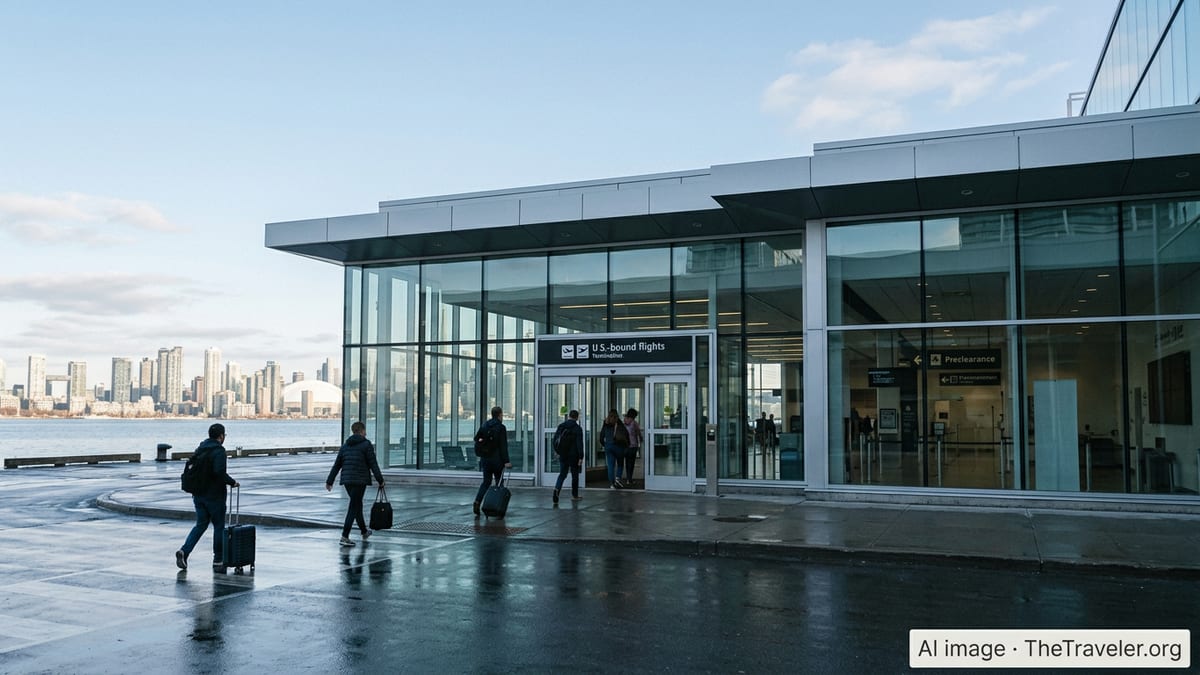
A Milestone for Toronto’s Downtown Airport
The opening of U.S. preclearance at Billy Bishop Toronto City Airport on March 10, 2026 marks the first time the downtown hub has offered full immigration, customs, and agriculture inspections for U.S.-bound passengers before departure. Publicly available information shows that Billy Bishop is now the ninth Canadian airport to host such a facility, bringing it in line with larger gateways such as Toronto Pearson and Vancouver International.
Preclearance allows travelers to complete U.S. entry formalities in Toronto and arrive in the United States as if on a domestic flight. According to airport guidance, all passengers on U.S.-bound services now pass through the new preclearance zone after regular security screening, then wait in a dedicated transborder departures area until boarding.
Government statements published in early March indicate that the project is part of a wider Canada–U.S. strategy to expand preclearance operations and streamline cross-border mobility. The timing also positions Billy Bishop to benefit from a forecast surge in North American travel ahead of major events in 2026, including FIFA World Cup matches scheduled for Toronto.
What Changes for Passengers
For travelers, the most immediate change is the sequence of formalities at Billy Bishop. After checking in and clearing Canadian security, passengers now proceed directly to the U.S. preclearance facility within the terminal. Once inspected, they can relax in the transborder lounge area until boarding, with no further U.S. immigration or customs checks on arrival.
Reports indicate that U.S. preclearance at Billy Bishop is designed to mirror the experience at other Canadian airports already in the program. Capacity is ramping up in the initial weeks, with traveler accounts noting the presence of NEXUS processing but limited staffing as operations scale. Airport advisories encourage passengers to arrive early, treating U.S.-bound departures as full international journeys in terms of time needed for screening.
The new facility also enables smoother onward connections in the United States. Because arriving passengers are treated as domestic travelers, they can typically connect through U.S. hubs without reclaiming bags or passing through federal inspection halls, a key benefit for business flyers aiming to minimize transit times.
New Routes and Competitive Pressure in the Transborder Market
The launch of preclearance is already altering airline strategy at Billy Bishop. Prior announcements from Air Canada outline a major transborder expansion from the downtown airport, with new non-stop routes to New York LaGuardia, Boston, Chicago O’Hare, and Washington Dulles scheduled to begin in spring 2026. Airline communications link these services directly to the availability of U.S. preclearance at Billy Bishop.
Porter Airlines, long the dominant carrier at the island airport, is also seen as a key beneficiary. Industry coverage notes that preclearance gives Porter greater flexibility to adjust its U.S. network, including potential shifts between airports in the New York and Washington regions that previously depended on where customs and immigration facilities were available on both ends.
Aviation analysts quoted in recent reports frame Billy Bishop’s preclearance as a competitive move in the dense Toronto market. With more transborder flights now possible from the island airport, airlines can target travelers who favor quick access to downtown over the longer journey to Toronto Pearson. The change is expected to intensify competition on core business routes such as Toronto–New York and Toronto–Boston.
Economic and Tourism Impacts for Toronto
Canadian government announcements describe the Billy Bishop preclearance facility as an economic enabler for the region, citing easier access for U.S. visitors and improved connectivity for Toronto-based firms. With the airport located minutes from the city’s financial district and major convention venues, business travel is expected to be a primary driver of demand.
Tourism bodies are also watching closely. Published commentary suggests that the ability to arrive at smaller U.S. airports without full customs halls could open up new leisure itineraries, particularly for short city breaks and regional connections beyond major hubs. The airport’s waterfront location and reputation for efficient check-in further support its positioning as a convenient gateway for weekend travelers.
Local economic studies referenced in planning documents have long argued that expanded U.S. connectivity from downtown could support hotel occupancy, restaurant spending, and event attendance. The arrival of preclearance is seen as the missing operational link that allows airlines to scale these services within existing constraints on runway length and noise management.
Costs, Capacity and What Comes Next
The benefits of preclearance come with new cost structures for travelers. Airport information confirms that Billy Bishop is responsible for recovering the operating costs of the facility and has introduced a dedicated per-passenger fee applied to U.S.-bound tickets. This charge is added on top of existing airport improvement and security fees already embedded in fares, making price transparency a point of interest for frequent flyers.
Travel forums and early user reports indicate that processing times at the new facility can vary as operations stabilize, particularly during peak morning and late afternoon departure banks. As with other preclearance airports, the advice emerging from recent coverage is to arrive earlier than for a typical domestic flight and to monitor airline guidance closely during the rollout period.
Looking ahead, planning documents and public briefings point to preclearance as a foundation for further transborder growth rather than an end state. Capacity is expected to increase as staffing and infrastructure are optimized, coinciding with the start of new routes and potential schedule additions. At the same time, ongoing discussions around any future expansion of Billy Bishop’s physical footprint, including runway or terminal changes, remain separate debates that will shape how far the airport can ultimately extend its U.S. network.