

More news on this day
Heightened global tensions, extreme weather and infrastructure strains are converging ahead of the 2026 peak vacation period, with a recent US security alert prompting many American travelers to reassess summer plans and rush to secure more robust travel insurance coverage.
Get the latest news straight to your inbox!
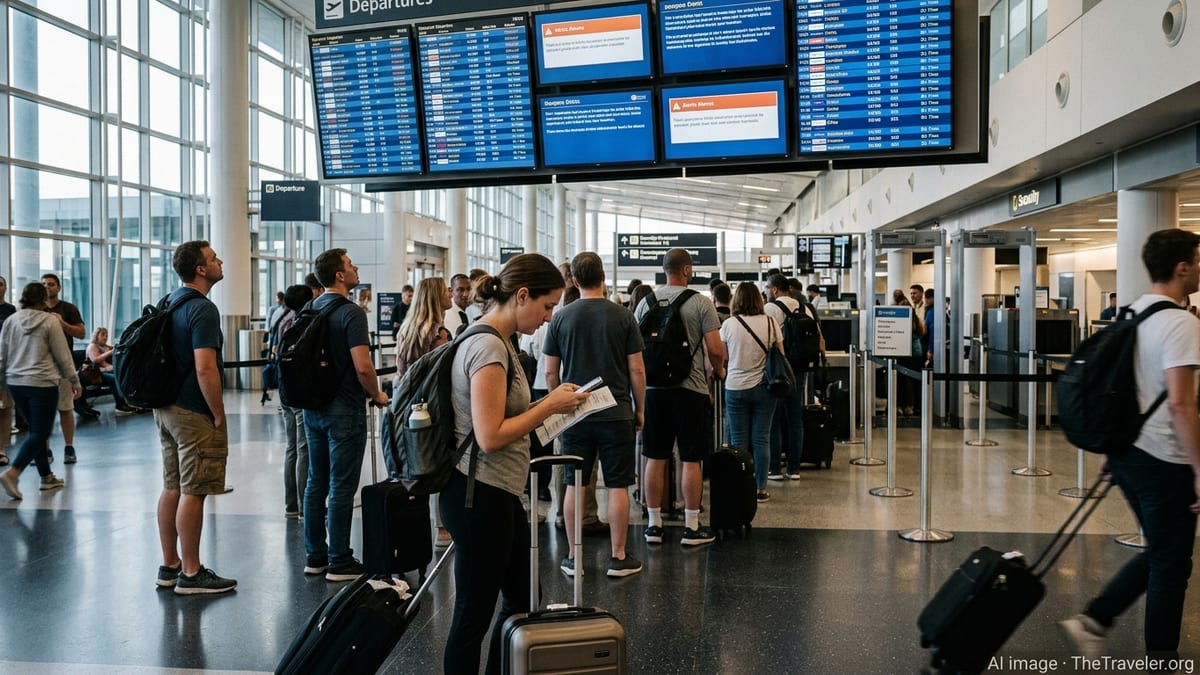
Security Alert Underscores Rising Global Travel Risks
Recent US government security communications have emphasized a complex global risk environment for travelers, citing the potential for terrorism, geopolitical flare-ups, cyber threats and sudden civil unrest in popular tourism regions. Publicly available advisories highlight a patchwork of cautions across Europe, the Middle East, Latin America and parts of Asia, urging US citizens to stay vigilant, monitor local conditions closely and be prepared for rapidly changing circumstances.
The alert arrives against the backdrop of continuing instability around key transport corridors and major cities. Coverage of the conflict involving Iran and its regional repercussions describes airspace closures, elevated threat levels around strategic chokepoints and a series of security incidents that have disrupted flight patterns and cruise itineraries. Analysts note that these developments have increased the likelihood of last-minute route changes, delays and cancellations for commercial travelers.
Reports on European security have also pointed to concerns about state-sponsored threats, cyber activity and sporadic politically motivated violence, particularly in large urban centers and at high-profile events. While most trips proceed without incident, these evolving risks have reinforced calls for travelers to review both their personal safety plans and the financial protection underpinning their bookings.
As a result, many US travelers now approach summer itinerary planning with a dual focus on destination appeal and the robustness of backup options, including evacuation support and trip interruption coverage, should a security incident unfold during their stay.
Insurance Demand Surges as Travelers Seek Financial Protection
Travel insurance providers and brokers are reporting a clear upswing in demand ahead of the 2026 summer season, building on strong growth seen in 2025. According to published industry coverage, US-focused intermediaries such as InsureMyTrip and Squaremouth recorded double-digit year-on-year increases in quote requests and sales through early 2025, particularly for policies that offer broader flexibility and higher benefit limits.
European data from Allianz Partners and other major underwriters shows a similar pattern, with subscription rates for summer holidays edging higher and more customers opting for add-ons like medical evacuation, missed connection and delay benefits. Market analyses describe a shift away from bare-minimum coverage toward mid-range and premium products that can better absorb the cost of complex disruptions.
Financial media reports indicate that the “Cancel For Any Reason” segment has become a standout performer. These policies, which allow travelers to recoup a portion of prepaid costs even when canceling for non-covered reasons such as generalized security anxiety or changing news headlines, have seen some of the fastest growth in the sector. Industry commentators link this trend directly to ongoing uncertainty around geopolitical flashpoints and climate-related hazards.
Specialized security membership services have also experienced rising interest. One global risk and evacuation provider recently disclosed a high-teens percentage increase in membership sales over the last reported quarter, attributing the expansion to leisure and business travelers who want clearer contingencies in the case of unrest, terrorism or sudden border closures.
Geopolitics, Climate and Infrastructure Strain Drive Traveler Anxiety
The latest US security alert lands in a travel landscape already shaped by overlapping concerns. Analyses from banks, consultancies and tourism organizations point to three main drivers of unease: geopolitical tensions, extreme weather and aging or overstretched infrastructure in high-demand destinations.
Continuing conflict involving Iran and its neighbors has raised questions about flight safety across parts of the Middle East and eastern Mediterranean. Economic assessments describe how airspace restrictions and shifting military postures have forced airlines to adjust routes, with ripple effects on schedules across Europe and Asia. Tourism observers note that some travelers are already pivoting away from certain coastal and island destinations perceived as closer to potential flashpoints.
At the same time, climate scientists and weather agencies are projecting another season of intense heatwaves, wildfires and storms across North America and Europe. Recent summers have brought evacuations on Greek islands, smoke-choked skies in parts of the United States and Canada, and heat-related disruptions at major airports. These events have underscored the possibility that even destinations with low security risk profiles may face sudden, large-scale interruptions.
Infrastructure challenges add a further layer of uncertainty. Industry briefings describe how surging passenger volumes are colliding with staffing shortages, rail and air traffic control bottlenecks, and capacity limits at key hubs. Travel news outlets have chronicled episodes of mass delays, baggage backlogs and short-notice schedule changes during recent peak periods, outcomes that can be financially painful for travelers who lack adequate coverage.
Changing Traveler Behavior and Industry Responses
The combined effect of security alerts, high-profile disruptions and publicized insurance gaps is reshaping how many Americans plan their summer vacations. Surveys of traveler sentiment conducted in 2025 and early 2026 show elevated concern about safety and accessibility in parts of the Middle East, Mediterranean and Europe, along with a growing willingness to pay extra for additional layers of protection.
Advisers and tour operators report that clients are asking more detailed questions about cancellation terms, evacuation support and what happens if government advisories change after booking. Some travelers are breaking up longer international trips into shorter, more flexible segments, while others are favoring destinations with strong healthcare systems, multiple airport options and clear contingency infrastructure.
In response, insurers and intermediaries have been refining policy language, launching educational campaigns and expanding options for riders that address specific threats such as extreme weather, strikes or political unrest. Industry commentaries highlight an emphasis on transparency around exclusions, particularly related to war, terrorism and known events, after widely circulated stories of travelers who discovered that standard policies did not cover certain security-related cancellations.
Travel brands beyond the insurance sector are also adapting. Airlines, cruise lines and large hotel groups are increasingly promoting flexible booking policies, waivers and change-fee reductions as part of their summer marketing, positioning these features as complements to formal insurance rather than substitutes. Together, these moves aim to reassure risk-sensitive customers without overstating the level of protection available.
What the Alert Means for US Summer Tourists
For US residents preparing to travel in the coming months, the latest security alert does not signal that international tourism is coming to a halt. Instead, it underscores the need for thoughtful preparation, closer attention to fine print and realistic expectations about the possibility of disruption, even in traditionally familiar destinations.
Risk experts featured in recent travel and financial coverage advise consumers to align their insurance purchases with their specific itineraries and risk tolerance, considering factors such as connecting flights through volatile regions, the likelihood of extreme weather at chosen destinations and the presence of large-scale events that could attract protests or heightened security activity.
Public guidance consistently encourages travelers to register for government alert programs, keep copies of key documents both digitally and in print, and maintain flexible plans when possible, particularly for trips booked far in advance. While this approach may lack the carefree spontaneity associated with summer holidays, it reflects a travel environment in which preparation has become a central part of the journey.
As the 2026 summer high season approaches, the interplay between security alerts, insurance uptake and traveler confidence is likely to remain a defining storyline. Whether this period ultimately brings major disruptions or a relatively smooth peak, the current surge in demand for insurance suggests that many US tourists now view financial and safety planning as indispensable companions to their passports and boarding passes.