

More news on this day
The United States tourism industry is confronting a mounting crisis in early 2026, as an unresolved Department of Homeland Security shutdown, rising visa costs, World Cup pressures and fast-moving AI disruption combine to threaten a long-awaited full recovery in international travel.
Get the latest news straight to your inbox!
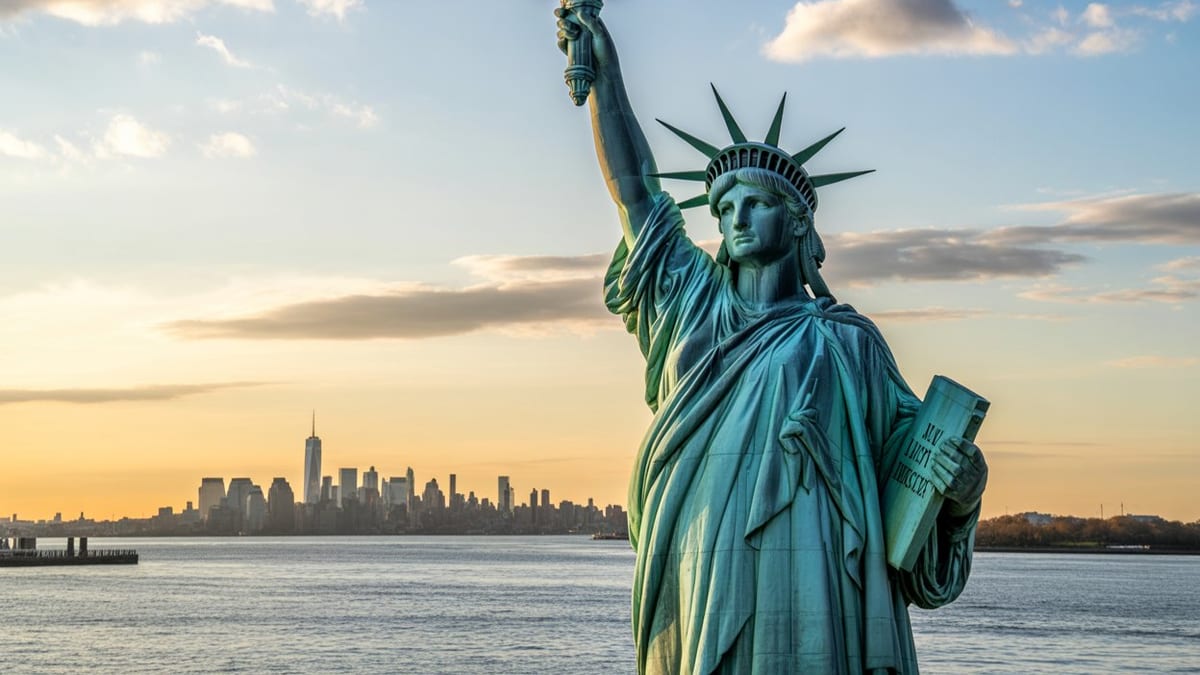
Image by Travel and Tour World – Tourism, Airline, Destination, MICE, Gobal Travel Market, Hotel news that you will find only over here.
DHS Shutdown Extends Airport Turmoil and Travel Uncertainty
The Department of Homeland Security shutdown that began on February 14, 2026, has entered its seventh week, leaving key travel-facing agencies caught in a prolonged funding limbo. Transportation Security Administration staff have been working without normal pay arrangements, and contingency measures are straining airport operations at the start of the spring travel season.
Publicly available summaries of the shutdown’s impact describe a patchwork of disruptions across the aviation system, with longer security lines at some hubs, heightened risk of staffing gaps and rising concerns that smaller airports could face partial closures if attrition worsens. Recent analysis of previous federal funding lapses has shown that even limited interruptions to screening, air traffic staffing and security programs can have outsized effects on passenger confidence and airline schedules.
In late March, the White House moved to authorize direct payments to TSA workers despite the budget standoff, an unusual step that underscores the scale of the strain on the air travel system. However, core planning and modernization work at DHS and related agencies remains constrained, raising questions about how resilient US entry and screening infrastructure will be heading into the peak summer travel period.
Industry economists warn that the uncertainty is arriving at a delicate moment for inbound tourism, which only recently neared pre-pandemic volumes. Any perception that the US border and aviation system is unpredictable, they note, risks sending high-spending international visitors to alternative destinations.
Rising Visa Fees and New Charges Threaten Demand
Alongside the budget deadlock, higher upfront costs for entering the United States are emerging as a second major drag on tourism demand. A new “visa integrity fee” of around 250 dollars, which began phasing in for most non-immigrant categories from late 2025 and is indexed to rise over time, has pushed the total cost of a standard visitor visa above 400 dollars in many markets.
Travel trade publications and business media report that industry groups expect the additional fee to reduce international arrivals by hundreds of thousands to more than a million visitors a year once fully in force, translating into billions of dollars of potential lost spending on hotels, restaurants, attractions and retail. Early figures from the National Travel and Tourism Office cited in European and US coverage already showed a modest decline in long-haul arrivals in 2025, even before the current DHS crisis.
Advocacy organizations representing airlines, hotels and destinations argue that the United States is making itself less competitive at a time when many rival destinations are simplifying entry rules and promoting value. Analysts note that travelers weighing a long-haul holiday increasingly compare total trip costs, including visas and mandatory fees, and may opt for destinations perceived as easier and cheaper to enter.
Additional increases in related charges, such as arrival record processing and electronic travel system fees, are set to layer further costs onto repeat visitors and business travelers. With the dollar’s recent weakness making the US somewhat more affordable on the ground, higher up-front visa costs risk offsetting that advantage before a trip is even booked.
World Cup 2026 Magnifies Infrastructure and Security Pressures
The countdown to the 2026 FIFA World Cup, which kicks off on June 11, 2026, is adding another layer of complexity to the tourism outlook. Eleven US metropolitan areas are due to host matches, from Seattle and the San Francisco Bay Area to Dallas, Atlanta, Miami, New York and Boston, concentrating unprecedented spikes in demand for flights, hotel rooms and ground transportation into specific weeks.
FIFA and local organizers have reported more than 500 million ticket requests globally, with strong demand from Europe and South America. Economic modeling cited by US broadcast outlets predicts a substantial boost in visitor spending across host cities, but traffic and mobility specialists caution that local transport networks will face “once-in-a-generation” stress, especially in already congested corridors.
Recent regional reporting has highlighted growing friction over funding for security and event operations, particularly in New England, where Boston has been described as one of the most complex host environments due to venue location, public transit constraints and political debate over public subsidies. With aspects of federal homeland security funding frozen amid the DHS shutdown, city officials and analysts have warned of tight timelines to finalize transport, crowd management and emergency plans.
Corporate mobility and relocation firms are also advising clients to reconsider the timing of moves into World Cup host markets during the final 90 days before kickoff, citing elevated risks of housing shortages, traffic disruption and strained airport capacity. For inbound tourists not attending matches, this could translate into higher prices and greater uncertainty during the summer of 2026 in some of the country’s most popular city-break destinations.
AI Disruption Reshapes Booking, Jobs and Travel Expectations
While budget disputes and mega-events attract the most immediate attention, the rapid spread of artificial intelligence across the travel ecosystem is quietly reshaping how visitors plan and experience US trips. Consulting research published in late 2025 found that, despite travel companies still lagging other sectors in tech staffing, investment in AI-powered tools for dynamic pricing, personalized offers and automated customer service has accelerated sharply.
Large online booking platforms and major hotel groups are rolling out generative AI trip planners, automated itinerary builders and conversational customer support, promising more tailored recommendations and faster problem resolution. At the same time, labor advocates and academic analysts are voicing concern that automation could gradually displace call center agents, junior travel advisors and some front-desk roles, particularly in mass-market segments.
For travelers, the shift is a mixed picture. AI tools can help international visitors navigate complex US entry rules, multi-city itineraries and domestic transport choices more easily. Yet the same technologies also enable increasingly aggressive revenue management, surge pricing and opaque ancillary charges, which some consumer groups fear will make the real cost of visiting the United States harder to predict, especially during peak events such as the World Cup.
Industry observers note that many smaller US destinations and independent operators risk being left behind if they cannot afford to integrate into AI-driven distribution systems. That could concentrate demand even further in already crowded hubs, amplifying the strain from federal budget crises, visa policy shifts and major sporting events on a relatively narrow set of gateways.
Tourism Stakeholders Weigh Limited Room for Error
Across these overlapping pressures, a common theme is emerging: the margin for error in US tourism policy has grown thin. The sector is still rebuilding after the pandemic and a 2025 federal shutdown that earlier research linked to billions of dollars in lost travel-related output. Now, with DHS funding unresolved, higher visa barriers taking effect and the approach of a globally watched tournament, the scope for compounding shocks is widening.
Travel economists emphasize that tourism is not only a discretionary luxury for visitors but also a major employer and export earner for the United States. Prolonged disruptions to air travel, perceived hostility at the border or confusion about entry rules can reverberate for years in international markets, long after a specific shutdown or fee hike has been resolved.
As spring 2026 begins, airlines, hotels, destinations and travel technology firms are racing to adjust strategies, from shifting capacity and revising forecasts to investing in automation that can help cushion operational shocks. Whether those efforts can offset the drag from policy-driven headwinds will help determine if the United States regains its pre-pandemic status as the world’s most visited destination, or continues to lose ground to more predictable and visitor-friendly rivals.