

More news on this day
United States travelers are being urged to stay highly vigilant in crowded destinations and volatile regions worldwide as a series of recent safety advisories highlight growing security risks, from the Middle East to popular holiday hotspots.
Get the latest news straight to your inbox!
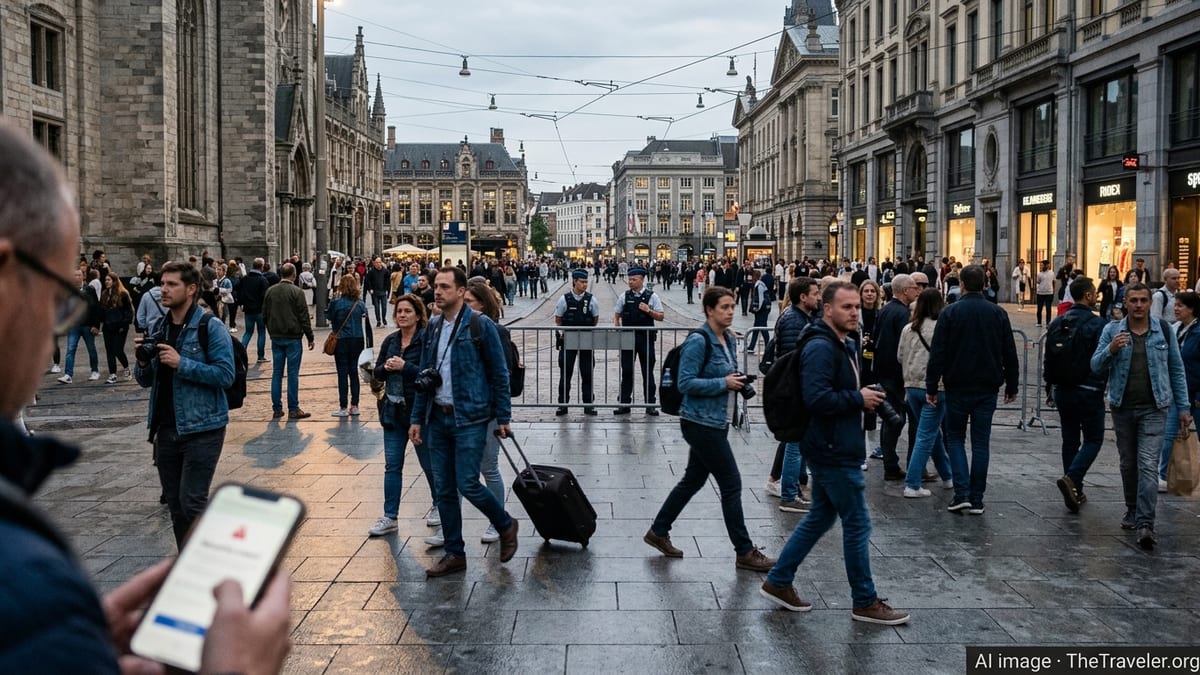
Worldwide Caution as Conflicts Reshape Travel Risk
Publicly available information from the US Department of State shows that a renewed Worldwide Caution notice is in effect, warning US citizens abroad to exercise increased caution due to heightened tensions, terrorism concerns, and the risk of retaliatory attacks in multiple regions. The alert points in particular to the impact of ongoing conflict involving Iran and its regional rivals, which has disrupted airspace and raised the prospect of opportunistic attacks on soft targets.
More recently, coverage in major US and international outlets has highlighted an extraordinary advisory urging Americans across the Middle East to leave the region or avoid nonessential travel. The guidance applies to a broad swath of destinations, including Israel, the Gulf states, and parts of North Africa, where travel disruptions and security incidents have become more frequent.
Security analysts quoted in open reports note that such sweeping alerts are rare and typically reflect concern that US citizens, as well as crowded public places they frequent, could become targets in the event of sudden escalations. While commercial flights and tourism continue in many affected countries, travelers are being advised to plan for rapid changes in local conditions and transportation options.
The global alert system now intersects with a dense map of country-level advisories, with dozens of nations listed at higher risk levels because of armed conflict, crime, terrorism, or civil unrest. For travelers planning international trips in 2026, the baseline assumption increasingly involves navigating overlapping layers of caution rather than isolated, destination-specific warnings.
Crowded Spaces Under Spotlight After High-Profile Attacks
Recent attacks on busy public venues have intensified concern about the vulnerability of popular tourist areas. Published accounts of incidents over the past two years describe vehicles driven into Christmas markets in Europe, shootings along busy promenades, and assaults on foreign tourists in open-air markets, illustrating how crowds can quickly become high-risk environments.
In one widely reported case, an SUV was driven into a Christmas market in Germany in late 2024, killing several people and injuring scores more in a packed pedestrian zone. Another attack on a beachfront area in Somalia in 2024 targeted a busy leisure district visited by both locals and foreign visitors. Reports on a 2024 shooting that struck a group of Western tourists in Afghanistan’s Bamyan Province further underscored the risks in destinations once promoted for adventure and cultural tourism.
The pattern has not been limited to overseas locations. Coverage of a 2025 truck attack on New Orleans’ Bourbon Street, one of the United States’ most visited nightlife corridors, highlighted that crowded entertainment districts at home can face similar threats. Analysts cited in public reports describe a blurring of lines between domestic and international risk, with crowded, symbolic, or highly visible spaces attracting attackers seeking maximum impact.
These incidents are now frequently referenced in safety briefings and travel advisories that emphasize situational awareness in crowded zones such as holiday markets, waterfronts, shopping streets, religious sites, and major transport hubs. Travel guidance increasingly recommends that visitors identify exits, avoid bottlenecks, and remain alert to unusual behavior or unattended items, rather than assuming busy tourist areas are inherently secure.
High-Risk Zones Expand From Conflict Areas to Holiday Favorites
The latest US travel advisories reflect a risk landscape that stretches from active conflict zones to mainstream vacation markets. Countries such as Haiti, long popular with US tourists, are currently listed at the highest advisory level, with guidance that visitors should not travel due to extreme gang violence, political instability, and the collapse of basic security structures. Reports indicate that episodes such as a 2025 confrontation near the US Embassy in Port-au-Prince have reinforced perceptions of severe and immediate risk.
Elsewhere, destinations in the Middle East remain under layered advisories that distinguish between zones of active hostilities and areas where terror attacks, missile fire, or civil unrest could spill over. Publicly available country information for Israel, the West Bank, and Gaza, for example, details restrictions near borders and notes the potential for sudden closures of crossings, airspace, and key road corridors, complicating evacuation or onward travel plans.
Even in countries not at war, certain regions are described as high risk. Mexico, one of the most visited destinations for US tourists, is subject to a mix of advisory levels that range from routine caution in major resort zones to strict guidance against travel in states affected by cartel violence, kidnapping, and highway crime. Recent summaries of the Mexico advisory stress that while millions of travelers visit without incident, US citizens have been victims of homicides, abductions, and carjackings in several northern and Pacific coast states.
In parallel, new alerts have emerged for destinations better known for luxury and overwater villas than political tension. A 2025 advisory for the Maldives, for instance, urges travelers to stay alert to potential attacks on crowded locations such as tourist attractions, markets, and public transportation nodes, citing rising security concerns despite the country’s ongoing popularity as a high-end beach escape.
Europe Balances High Visitor Numbers and Elevated Threat Alerts
Europe remains a top region for US leisure travel, yet a growing number of advisories and European government warnings spotlight terrorism and crime risks in major cities and during large public events. Travel industry coverage notes that Germany, France, Spain, and other frequently visited countries have tightened security measures following recent attacks and disrupted plots, resulting in heavily policed transportation hubs, markets, and festival venues.
Reports on Germany’s evolving guidance emphasize increased security at Christmas markets and other seasonal gatherings after vehicle and knife attacks in crowded urban spaces. In France, advisories point to the risk of both terrorism and petty crime in cities such as Paris, Nice, and Lyon, where visitors pack museums, riverfronts, and nightlife districts throughout the year.
Similar themes appear in safety notices related to Costa Rica and other popular long-haul destinations for US travelers. Travel updates describe rising concern about robberies at beach towns, bus stations, and vacation rentals, noting that while violent attacks remain relatively rare, opportunistic theft in crowded tourist areas is a persistent problem. In many cases, the recommended response is not to cancel travel but to secure valuables, avoid displaying expensive items, and exercise caution in busy public zones after dark.
Despite the heightened language in some alerts, European and Latin American destinations continue to draw record numbers of visitors. Analysts quoted in tourism and security reports suggest that familiarity, robust policing, and strong infrastructure help maintain traveler confidence, even as governments reiterate warnings about the possibility of attacks or crime in crowded venues.
Guidance for US Travelers Navigating a Heightened Alert Environment
Against this backdrop of global caution, US travelers are being encouraged to take a more proactive approach to personal safety without abandoning international trips altogether. Public guidance from government sources and travel security experts stresses thorough pre-trip research on the specific cities and regions to be visited, paying close attention to the exact wording and date of the latest advisory, which can vary widely within a single country.
Travelers are also urged to remain agile once on the ground. That includes regularly checking local news in the destination, monitoring official security alerts where available, and being prepared to adjust itineraries if demonstrations, political events, or security incidents occur near major attractions, markets, or transport hubs. Simple steps, such as noting alternate routes back to accommodation and avoiding densely packed crowds where movement is restricted, are increasingly presented as core travel skills.
Enrollment in government traveler registration programs is likewise being promoted as a low-effort precaution. Such services allow travelers to receive targeted alerts for their specific destination and make it easier for consular staff to contact citizens if an emergency arises. Travel insurers and risk consultancies, meanwhile, report increased interest in policies that include coverage for security-related evacuations and trip changes linked to unrest or attacks.
For now, the overarching message of the latest US safety advisories is one of heightened awareness rather than blanket avoidance of international travel. With global tourism continuing to rebound, the expectation is that Americans will keep visiting crowded city squares, markets, beaches, and festivals worldwide, but with a stronger emphasis on preparation, real-time information, and personal vigilance in environments that once felt effortlessly carefree.