

More news on this day
Travelers across the United States are facing another day of disruption as more than 100 flights operated by major carriers, including American Airlines, Delta Air Lines, United Airlines, Southwest, and JetBlue, were cancelled, snarling traffic at busy hubs such as New York LaGuardia, Chicago, Boston, Miami, Orlando, Denver, and Toronto.
Get the latest news straight to your inbox!
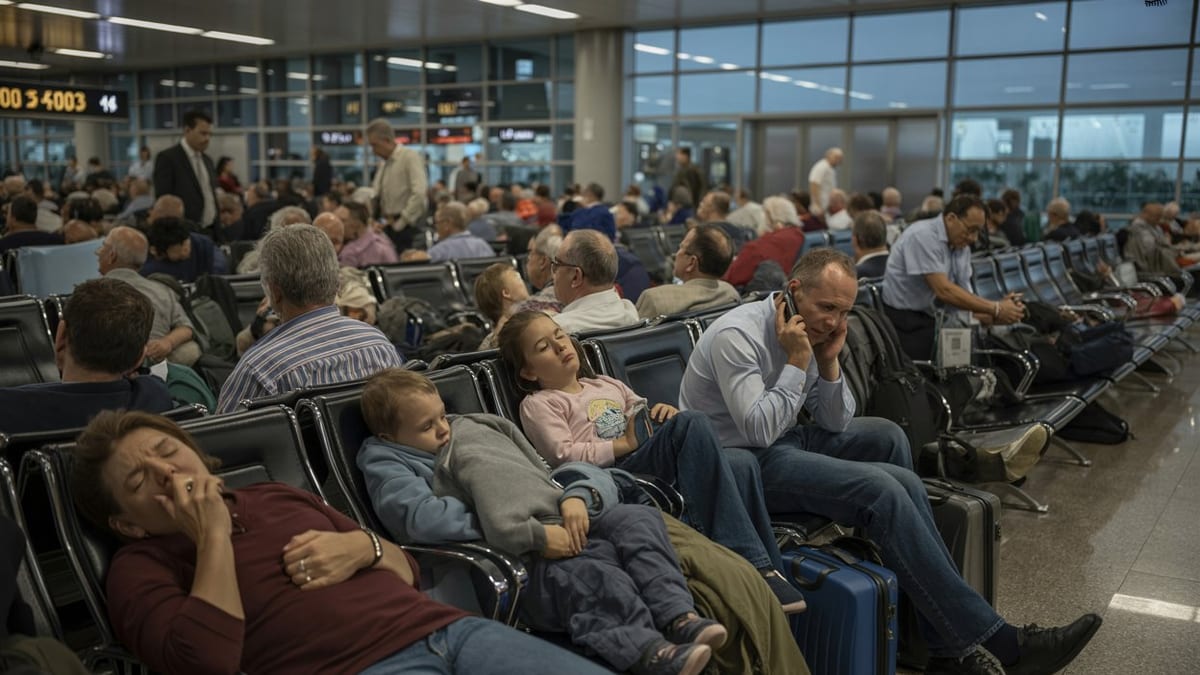
Image by Global Travel Alerts, Advisories, International Travel Alerts
Major Carriers Trim Schedules Amid Weather and Operational Strain
According to publicly available flight-tracking data and airline status pages for Sunday, March 29, a broad mix of cancellations is affecting both domestic and cross-border routes. The bulk of the impacted services involve large network carriers and low-cost operators that feed traffic into key hubs, notably LaGuardia in New York, Chicago’s airports, Boston Logan, Miami International, Orlando International, Denver International, and Toronto Pearson.
Reports indicate that the latest wave of cancellations comes on the heels of a turbulent late winter season in North America, with repeated storms in January and February already straining airline operations and crew availability. While the total number of cancellations on Sunday does not approach the scale of historic mass disruption days that saw thousands of flights grounded nationwide, the concentration of more than 100 cancellations among major brands has been enough to cause visible crowding and long lines at several airports.
Schedule data shows that American Airlines, Delta Air Lines, United Airlines, Southwest Airlines, and JetBlue Airways all removed individual departures across their networks, with some regional affiliates also contributing to the disruption. In several cases, airlines appear to be consolidating low-demand frequencies and preemptively cutting flights on routes where aircraft and crews are already under pressure from earlier delays.
Travelers flying between major business and leisure markets have been particularly affected. Routes linking New York, Chicago, Boston, and Toronto with sun destinations such as Miami and Orlando, as well as connections through Denver to the Mountain West, accounted for a notable share of the cancellations, forcing many passengers to accept lengthy rebookings or overnight stays.
LaGuardia, Chicago, and Boston See Elevated Cancellations
New York’s LaGuardia Airport, already known for operational complexity and tight runway capacity, has again emerged as a focal point of disruption. Recent data shared by aviation observers and traveler reports shows that LaGuardia has recorded a run of cancellations across several consecutive days, including multiple flights on American, Delta, Southwest, and other carriers. Some of those cancellations involve short-haul links to Boston, Chicago, and cities in the Mid-Atlantic, where aircraft utilization is high and recovery windows are limited.
Chicago has also experienced a challenging stretch, with travelers reporting repeated cancellations and rolling delays out of the city as airlines adjust their operations following winter weather in the Midwest. Disruptions on services between Chicago and Orlando, Miami, and Denver have had a cascading effect, as aircraft and crews scheduled to operate onward legs fall out of position. This has left some passengers stranded for hours as they wait for replacement flights or new routings through other hubs.
Boston Logan International Airport has not been spared. Recent winter systems impacting New England, including heavy snow and strong winds earlier in the season, have left schedules vulnerable, and even modest follow-on weather can cause outsized disruption. Flight data for March indicates that several departures to and from Boston on legacy carriers and JetBlue have been removed from the schedule, affecting both business travelers and students returning to or leaving the region.
With LaGuardia, Chicago, and Boston all serving as critical nodes in the U.S. domestic network, cancellations at these airports have a knock-on effect far beyond the Northeast and Midwest. Passengers connecting through these hubs to Florida, the Rockies, or international destinations often discover that a single cancelled leg dismantles their entire itinerary.
Florida and Denver Routes Hit as Demand Remains Strong
Florida routes are once again at the center of disruption, with flights into and out of Miami and Orlando seeing elevated cancellation and delay levels compared with more typical spring days. Publicly available on-time performance analyses for recent weeks have highlighted how Florida’s busiest airports, including Orlando International and Miami International, consistently rank among the most delay-prone in the United States, reflecting both strong demand and frequent weather or air traffic constraints.
Reports from passenger forums and independent data aggregators show that services from northern hubs to Orlando in particular have faced repeated interruptions in recent days. This includes flights from Chicago, New York, and Boston on major carriers and low-cost airlines alike. Families heading to theme parks and spring getaways have been especially vulnerable, as popular morning and evening departures have either been cancelled outright or rescheduled to less favorable times.
Denver International Airport, a key gateway to the Mountain West and a major connecting hub, has also seen a share of cancellations in the latest wave. Denver’s location makes it sensitive to late-season snow and high winds, and even minor operational constraints can trigger schedule thinning. When flights between Denver and cities such as Chicago, New York, and Toronto are cancelled, it often disrupts onward journeys to ski destinations and secondary markets across the western United States.
Despite the cancellations, demand for travel to Florida and the Rockies remains strong, with airlines still operating the majority of scheduled services. However, the loss of more than 100 flights across the system has tightened seat availability on remaining departures, pushing some travelers to accept long layovers or routings through multiple hubs.
Canadian Connections and Cross-Border Travelers Also Affected
The disruption has not been confined to domestic itineraries. Cross-border routes connecting U.S. hubs to Canada, particularly services to and from Toronto, have also experienced cancellations. Toronto Pearson Airport functions as one of the main gateways between Canada and the northeastern United States, and cancellations on U.S. carriers and their partners have affected travelers heading in both directions.
Recent winter storms across the Great Lakes region and into southern Ontario have added another layer of complexity, resulting in occasional ground delays and deicing operations that slow throughput. When combined with already tight schedules at U.S. hubs, this has made it more difficult for airlines to recover from even minor disruptions, leading to same-day cancellations on some Toronto services.
Passengers traveling between Toronto and cities such as New York, Boston, Chicago, and Denver have reported unexpected overnight stays, missed meetings, and lost vacation time as flights have been cut from timetables with limited advance warning. In many instances, rebooking options are constrained because of full loads on remaining flights and the need to coordinate cross-border immigration and security processes.
While the overall volume of cancelled cross-border flights remains modest in percentage terms, the impact on individual travelers can be significant, particularly for those on tight schedules or with onward international connections beyond North America.
What Travelers Can Expect in the Coming Days
Industry data and recent historical patterns suggest that airlines will continue to make short-notice schedule adjustments as they move through the final weeks of the winter season and into early spring. Late-season storms, lingering crew shortages on some fleets, and dense schedules at popular hubs leave limited room for error. When disruptions occur, carriers frequently respond by trimming flights that have alternative routing options or lower expected loads.
Publicly available guidance from airlines emphasizes the importance of monitoring flight status closely on the day of travel and, when possible, building additional connection time into itineraries that pass through weather-sensitive hubs such as New York, Chicago, Boston, Denver, and Toronto. Travelers heading to high-demand leisure destinations like Orlando and Miami may also benefit from considering early-morning departures, which historically show slightly better on-time performance on busy travel days.
As the latest wave of more than 100 cancellations demonstrates, even a relatively modest cut in daily schedules can create a sense of chaos for travelers on affected routes. With crowded terminals, long customer service queues, and limited spare capacity on later flights, many passengers find that recovering a disrupted trip can take a full day or more.
For now, the combination of weather-related challenges, tight airline operations, and sustained demand means U.S. air travelers should remain prepared for further volatility, particularly on routes feeding into major hubs and popular leisure markets. While airlines continue working to stabilize their schedules, the experience on Sunday underscores how quickly conditions can change across the network.