

More news on this day
Air travel across the United States faced another day of disruption as airlines including Delta Air Lines, United Airlines, Spirit Airlines, SkyWest and several other carriers reported 79 cancelled flights and 1,759 delays, impacting passengers at major hubs such as Chicago, Atlanta, New York, Los Angeles and St. Louis.
Get the latest news straight to your inbox!
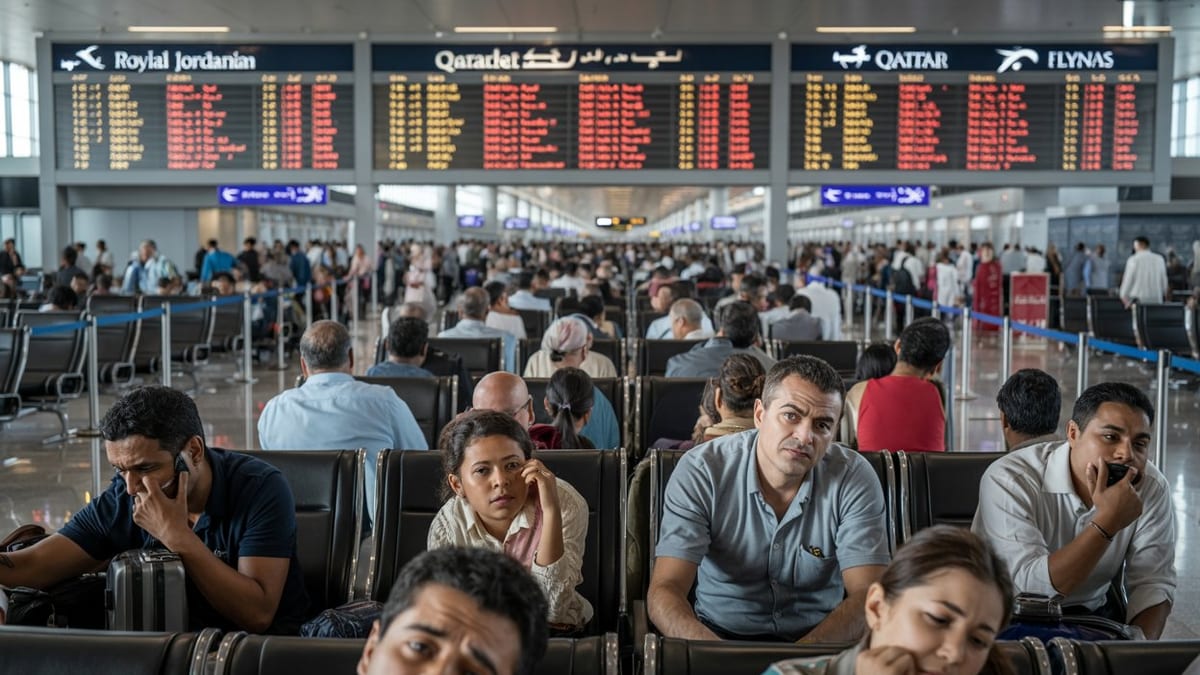
Major Hubs Struggle With Cascading Delays
The latest wave of disruption, recorded on April 11, added fresh pressure to some of the country’s busiest airports. Reports indicate that traffic through Chicago, Atlanta, New York and Los Angeles was particularly affected, with delays building throughout the day as schedules grew increasingly compressed.
At Chicago’s O’Hare International Airport, a mix of mainline and regional operations meant that issues for one carrier quickly spilled over into others. Publicly available data shows that carriers such as United Airlines and SkyWest, both significant operators at O’Hare, contributed to a high volume of late departures as rotations fell out of sync.
Atlanta’s Hartsfield Jackson, a critical hub for Delta Air Lines and an important station for SkyWest and Spirit, also saw significant disruption. With a high concentration of connecting traffic, even modest initial delays created wider knock on effects, affecting travelers on domestic routes as well as those linking to international services.
On the West Coast, Los Angeles International experienced mounting hold ups, adding further strain for passengers already contending with congestion back east. New York area airports, including services into and out of major hubs such as John F. Kennedy and LaGuardia, also reported late operations, complicating evening schedules and onward connections.
Delta, United, Spirit and SkyWest Among Most Affected Carriers
While several airlines reported operational issues, the latest figures highlight Delta Air Lines, United Airlines, Spirit Airlines and SkyWest among the carriers facing the greatest challenges. Publicly available information from flight tracking and industry reports indicates that these operators accounted for a substantial share of the 79 cancellations and 1,759 delays.
Delta, which relies heavily on its hub operations in Atlanta, New York and Los Angeles, has remained under scrutiny after a series of recent disruption days linked to a mix of weather and operational factors. Even relatively low cancellation counts can have an outsized impact at such consolidated hubs, where missed connections and aircraft rotations quickly compound.
United, with strong presences in Chicago and the New York area, similarly experienced broad network effects. As one of the major legacy carriers, United’s schedule relies on tight turnarounds and complex connecting banks, making it sensitive to even small disturbances in key markets.
Low cost carrier Spirit and regional operator SkyWest, which both operate extensive feeder and point to point networks, also featured in the disruption tallies. SkyWest’s role as a regional partner to several large airlines means that each delayed or cancelled regional leg can reverberate across multiple brands, complicating recovery efforts and limiting rebooking options for passengers.
Weather, Congestion and System Strain Drive Ongoing Volatility
The latest figures come against a backdrop of heightened operational strain in the US air travel system. Recent travel coverage has pointed to a combination of factors behind frequent disruption days, including fast changing weather conditions, air traffic control constraints, congestion at major hubs and lingering staffing challenges in some parts of the industry.
Non extreme but persistent weather, such as low clouds, rain and thunderstorms in key regions, can still trigger capacity reductions and longer spacing between aircraft, reducing the number of flights that can safely move through constrained airspace. When this occurs at multiple hubs on the same day, the network wide impact can quickly become visible in national delay statistics.
Industry data and government reporting over the past year have also underscored how a significant share of delays are attributed to factors within the broader national aviation system, such as airspace flow restrictions and knock on congestion. These systemic pressures, layered on top of airline specific operational issues, help explain why even routine weather systems now frequently translate into large numbers of late or cancelled flights.
Passenger rights groups and government summaries have repeatedly noted that a sizeable portion of US travelers experience some form of disruption each year, suggesting that incidents such as the 79 cancellations and 1,759 delays recorded on April 11 are part of a broader pattern of volatility rather than isolated events.
Travelers Face Missed Connections and Overnight Disruptions
For travelers, the latest disruption wave translated into missed connections, rebookings and extended time in terminals across the country. Passengers connecting through large hubs such as Chicago, Atlanta and New York were particularly exposed as arriving flights missed tightly timed departure windows for onward services.
Published coverage of similar disruption days shows that once an aircraft arrives late, its subsequent legs are more likely to suffer additional delay, especially during peak afternoon and evening banks. This effect can force carriers to reshuffle aircraft and crew assignments, sometimes resulting in last minute cancellations when duty time limits or aircraft positioning make recovery impossible within the same day.
Families, business travelers and international passengers all face distinct challenges in such situations, from securing alternative routings to arranging overnight accommodation when the final leg of a journey is cancelled. While some are able to rebook onto later departures the same day, others must wait until the following morning when schedules reset and additional capacity becomes available.
The uneven impact across airports also means that some regional and secondary cities see a disproportionate effect. When flights from hubs to smaller markets are cancelled or heavily delayed, travelers can be left with limited alternatives, especially late in the day when frequencies are lower.
What This Means for Upcoming Spring and Summer Travel
The disruptions involving Delta, United, Spirit, SkyWest and other carriers come as demand builds into the spring and early summer travel seasons. Industry analysts have noted that passenger volumes in the United States remain robust, with many major hubs already approaching or exceeding pre pandemic traffic levels during peak periods.
Higher demand can magnify the effects of irregular operations, as fully booked flights leave fewer open seats for rebooking when something goes wrong. On days when cancellations and delays spike, this can translate into longer waits for confirmed alternatives, particularly on popular leisure routes.
Public guidance from consumer advocates and transportation agencies consistently emphasizes the value of planning for potential disruption. Travelers are often encouraged to build extra time into itineraries involving critical connections, favor earlier departures where possible and stay informed about evolving conditions through airline channels and airport information boards.
As airlines work to refine schedules and bolster resilience, the April 11 figures of 79 cancelled and 1,759 delayed flights serve as a reminder that the US aviation system remains vulnerable to periods of sudden strain. For travelers passing through key hubs such as Chicago, Atlanta, New York, Los Angeles and St. Louis, flexibility and preparation are likely to remain essential tools in navigating an increasingly unpredictable travel environment.