

More news on this day
From abrupt schedule changes out of U.S. ports to ambitious new itineraries on American rivers and coasts, the latest week in cruising revealed an industry juggling strong demand, legal headwinds, and a growing appetite for quieter, lesser-known destinations.
Get the latest news straight to your inbox!
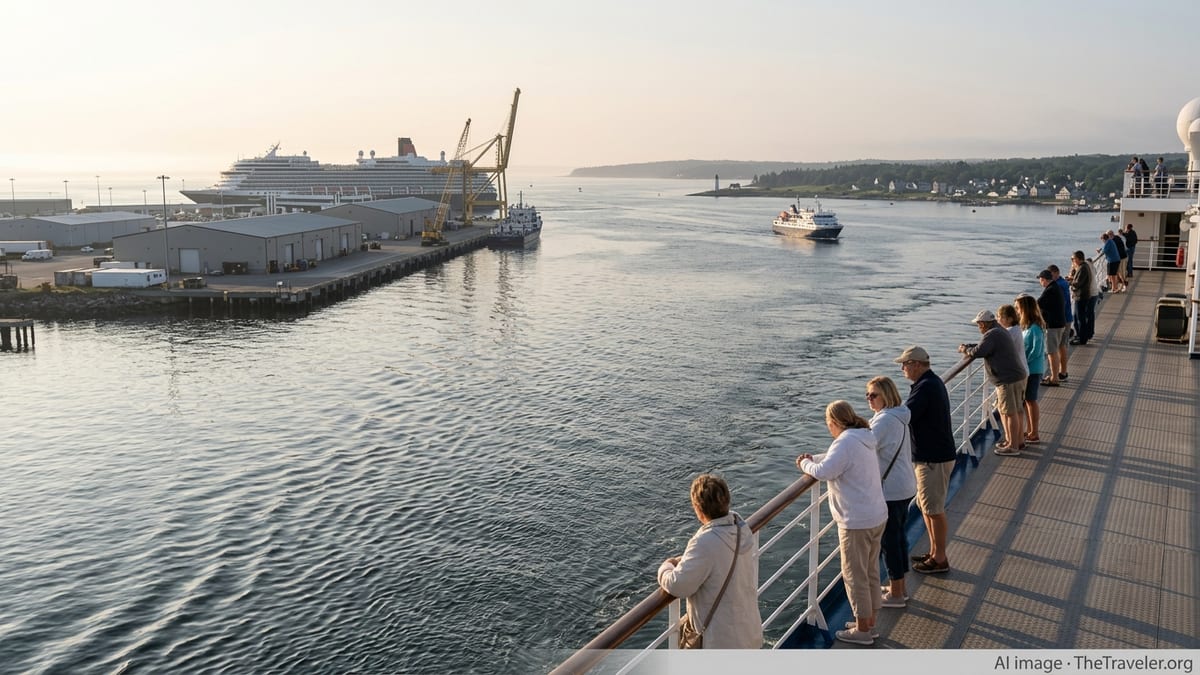
Sudden Cancellations and Itinerary Shakeups at U.S. Gateways
Travelers sailing from the United States entered the spring shoulder season facing a familiar but unwelcome pattern: late-breaking cancellations and altered itineraries tied to port congestion, operational constraints, and lingering infrastructure challenges. Publicly available advisories from several major lines show that sailings into and out of key East Coast ports have been especially vulnerable when weather or logistics reduce already tight turnaround windows.
In the Mid-Atlantic, the wider shipping fallout that began with the 2024 Francis Scott Key Bridge collapse near Baltimore continues to ripple through cruise operations. Cruise ships that once routinely embarked from the city have, at times, been redirected to alternative ports along the Eastern Seaboard as dredging schedules, channel access, and cargo priorities remain in flux. While most affected voyages ultimately operated, passengers have had to adjust to last-minute bus transfers, revised embarkation cities, and compressed port calls.
On the Gulf and Atlantic coasts, reports from travel agents and cruise-tracking services indicate that some short-notice changes this season have been driven less by safety incidents and more by yield management and fleet redeployment. As lines rebalance capacity toward stronger-performing Caribbean and Mexico routes, select U.S.-origin sailings with softer bookings have seen departures consolidated, itineraries shortened, or ships reassigned, leaving booked guests choosing between rebooking incentives or refunds.
For travelers, the pattern underscores the importance of flexible pre- and post-cruise planning in the United States. Industry observers note a growing tendency for lines to offer credits and onboard spending rather than cash reimbursement when cruises are modified rather than fully canceled, adding another layer of consideration for those weighing whether to accept a changed voyage or walk away.
Hidden Gems: Small-Ship Lines Spotlight U.S. Rivers and Coastal Towns
Against that backdrop of disruption, small-ship and river-cruise operators centered on the United States are using 2026 itineraries to position themselves as a calmer, close-to-home alternative. American Cruise Lines recently detailed plans for what it describes as its most expansive year yet, with 11 new itineraries and three new small ships focused exclusively on U.S. waters. The company states that its fully U.S.-flagged fleet will visit nearly 200 domestic ports, from the Alaska Inside Passage to the Florida Keys.
Among the headline offerings is the Great United States Cruise 2026, a 52-day voyage tracing the country from Portland, Oregon, to Boston, Massachusetts. According to published information, the route will knit together inland waterways and coastal segments, highlighting the breadth of U.S. river and coastal cruising in a single extended itinerary. Additional new sailings are set to spotlight the Thousand Islands and Niagara Falls, Lake Michigan and Green Bay, and the Great Lakes region more broadly, with single itineraries spanning three of the five lakes.
Smaller Gulf Coast communities are also emerging as “hidden gem” ports. New itineraries between New Orleans and Pensacola, for example, call in Mobile, Biloxi, Ocean Springs, and Gulfport or nearby Ship Island, giving passengers a slower-paced look at working waterfronts, barrier islands, and historic downtowns that rarely appear on large-ship Caribbean runs. These routes, many on vessels carrying fewer than 200 guests, are marketed around longer port days and the ability to dock close to town centers.
Industry coverage points to similar trends on the Great Lakes, where calls in places such as Muskegon, Michigan, and other mid-sized ports are framed as an antidote to crowded mega-ship terminals. With more lines adding overnight or late-night stays, riverfront museums, local food markets, and restored historic districts are being elevated from side trips to core reasons to book.
Legal Battles Highlight Passenger Safety and Liability
While new itineraries showcase cruising’s softer side, a series of recent lawsuits filed in U.S. courts is drawing renewed attention to passenger safety, alcohol service, and onboard maintenance. In one 2025 case that has continued to attract analysis, Royal Caribbean faces wrongful death claims after a California passenger died following what court filings describe as extensive alcohol service and subsequent restraint by ship security personnel. The complaint, brought in federal court in Florida, challenges the line’s duty of care in monitoring intoxication and responding to onboard incidents.
Separate litigation continues to surface over injuries attributed to slip-and-fall hazards and maintenance issues on board. In January 2026, filings in the Southern District of Florida detailed allegations from a Michigan passenger who claims to have suffered an ankle fracture after tripping on broken or uneven tile on a Carnival ship. Legal blogs summarizing the case note that the complaint cites a pattern of similar flooring-related incidents across multiple vessels to argue that the cruise line had notice of the hazard.
Recent appellate and district court decisions involving American Cruise Lines and other operators have also revisited long‑standing principles of maritime law, including forum-selection clauses and the scope of a cruise line’s duty to warn passengers about known risks. Analysts point out that these rulings, while often highly case-specific, collectively shape how contracts are written, how far liability waivers can go, and what recourse passengers have when they believe a line’s negligence contributed to injury or loss.
Consumer advocates say the current litigation wave serves as a reminder for travelers to read ticket contracts carefully, pay attention to pre-cruise health and safety advisories, and document any incidents promptly while on board. For the industry, each new case adds to a growing body of precedent that could influence everything from onboard design and staffing levels to alcohol policies and shore-excursion vetting.
Pricing Pressures, Bookings, and the 2026 Outlook
Behind the scenes, the financial picture for cruise companies operating from U.S. ports remains complex. Investor presentations from major groups in late 2024 highlighted what they characterized as strong forward demand into 2026, with limited capacity growth giving them room to seek higher yields. Yet traveler forums, deal trackers, and agency data over the past two months paint a more nuanced picture of targeted discounting and aggressive promotion for specific windows and itineraries.
Discussions among cruisers monitoring weekly fare movements show particularly heavy deal activity for August 2026 Caribbean sailings, with some contributors suggesting that lines are using Wave Season to lock in mid-summer bookings earlier than usual. Others point to broader travel headwinds, from currency shifts and airfares to visa and immigration dynamics, as factors that may be softening demand at the margins even as headline booking numbers remain solid.
At the same time, travel-technology analyses project that by 2026, a significant majority of cruise bookings will occur online, folding ships, flights, and pre- or post-cruise hotel stays into single dynamic packages. Technology firms serving the trade say this shift is allowing U.S.-based agencies and cruise lines to adjust pricing in near real time, using algorithms to nudge demand toward under-booked sailings and to protect yields on peak‑season departures that sell themselves.
For travelers, the result is a landscape in which last-minute bargains coexist with sold-out cabins months or years in advance. Those eyeing U.S.-origin cruises into 2026 are being encouraged by analysts to track prices over time, remain flexible on cabin type and sailing date, and consider less conventional routes on rivers and coasts where competition is rising but crowds remain relatively light.
Environmental Fees and Regulatory Scrutiny on the Horizon
Legal and regulatory attention is not limited to individual injury cases. In Hawaii, a dispute over a new environmental levy targeting cruise ships illustrates how states are testing fresh approaches to funding conservation and infrastructure. Public court documents describe a lawsuit brought by the Cruise Lines International Association and member lines challenging a state law that would impose what critics call a green fee on vessels calling in Hawaiian ports, with the measure scheduled to take effect in 2026.
The plaintiffs argue that the law, which would authorize counties to add their own surcharges on top of state assessments, effectively layers a steep new tax burden on ships serving the islands and could conflict with federal maritime frameworks. Supporters counter that cruise tourism’s environmental footprint and pressure on local services justify higher contributions from the industry, particularly in fragile ecosystems.
Observers note that the Hawaii case is being watched closely by coastal communities on the U.S. mainland that are weighing similar measures to manage congestion and fund shoreline protection. If courts uphold or strike down key aspects of the statute, the outcome could shape how other jurisdictions structure visitor fees, port charges, and environmental surcharges applied to cruise operators over the coming years.
As the 2026 booking horizon lengthens, the convergence of new itineraries, shifting pricing strategies, passenger lawsuits, and evolving environmental rules suggests that U.S.-linked cruising is entering a period where growth and experimentation coexist with heightened scrutiny. For travelers, the message is clear: the options are broader than ever, but so are the variables that can shape a voyage long before the ship leaves the pier.