

More news on this day
As the 2026 travel season ramps up, new tourism data shows that visitor numbers in the United States are concentrating in a familiar set of big-name cities, intensifying crowding pressures while also reshaping how travelers plan and move through them.
Get the latest news straight to your inbox!
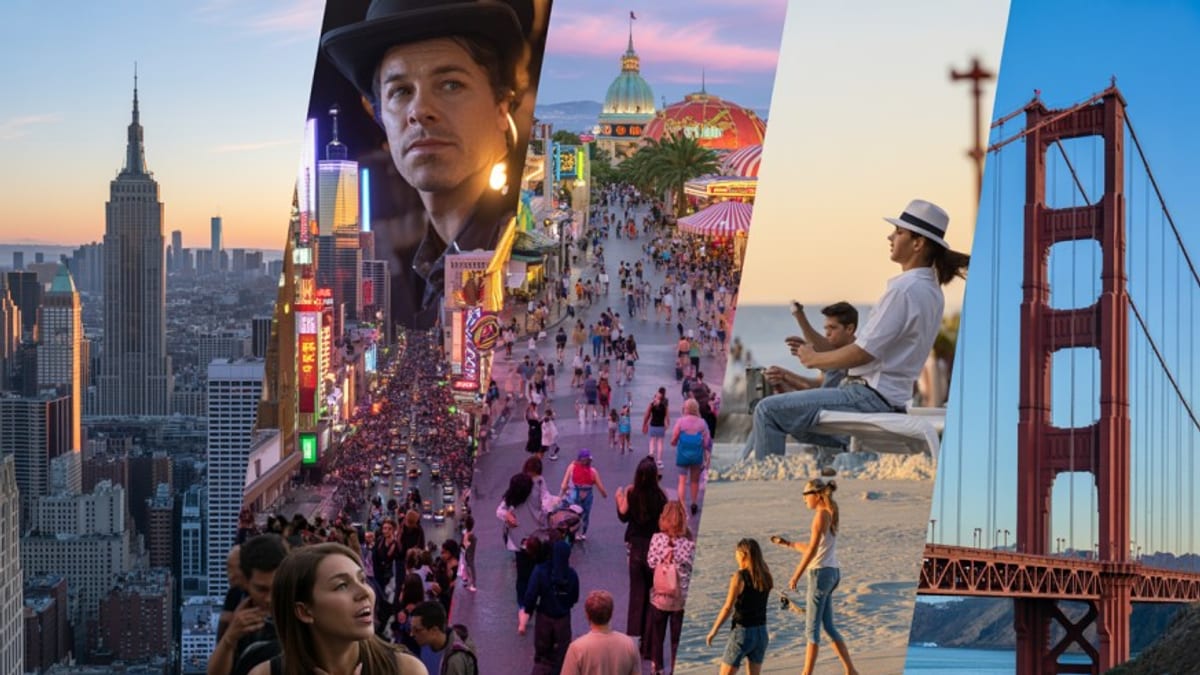
Image by Travel And Tour World
The Big Five: Where Tourist Crowds Are Thickest
Recent visitor analyses from federal and industry sources indicate that New York City, Orlando, Las Vegas, Los Angeles and Miami remain the core magnets for both domestic and international tourists heading to the United States in 2026. New York continues to top most rankings for overall arrivals, with tourism reports describing full hotel calendars across Manhattan and Brooklyn and heavy traffic returning to Broadway, museums and sports venues.
In Florida, Orlando and Miami are drawing record volumes of leisure travelers, according to trade press summaries of airport and attraction data. Orlando’s theme parks, water parks and convention centers are again operating at near-capacity during peak school holiday periods, while Miami’s hotel and short-term rental markets are benefiting from a mix of beach tourism, cruise traffic and international visitors escaping winter in other regions.
On the West Coast, published coverage points to Los Angeles as a major beneficiary of the recovery in long-haul travel and entertainment-related tourism. The city’s film studios, sports venues and new luxury properties are pulling in visitors even as local officials debate how to manage congestion around popular districts. Las Vegas, meanwhile, remains one of the most visited destinations despite reports of uneven visitor numbers in 2025, with analysts describing a market that is still heavily dependent on big events and convention business to fill rooms.
Secondary hubs such as Honolulu, San Francisco and Chicago also appear in multiple tourism rankings for 2025 and into 2026, but they attract smaller overall volumes than the leading five. These cities nonetheless face many of the same crowding challenges, from packed waterfronts and historic districts to rush hour strain on public transport.
2026 Traveler Behavior: Longer Stays, Off-Peak Moves
Travel trend reports for 2026 highlight a clear shift in how visitors are using time away, shaped by hybrid work patterns and lingering concerns over cost and crowding. Research from travel consultancies and vacation-rental platforms describes rising interest in longer but less frenetic trips, with travelers combining work and leisure and structuring stays to avoid the busiest weekends and school holidays.
Industry analyses refer to a growing market for so-called “detour destinations,” in which travelers use a major hub as an entry point but spend more nights in nearby smaller cities or suburbs. In practice, that means some visitors fly into New York but sleep in Jersey City or the Hudson Valley, or land in Miami and then shift quickly to less saturated beach towns along the coast.
Surveys cited in 2026 outlooks also suggest that a large share of Americans are planning trips around specific skills or interests rather than purely sightseeing. Hospitality groups describe demand for cooking workshops, language classes and creative retreats layered onto classic city breaks. This is pushing some visitors away from the central tourist corridors for part of their stay, easing pressure on iconic landmarks while spreading economic benefits to outlying neighborhoods.
Analysts note that these behavioral shifts do not eliminate crowding in marquee areas, but they create more flexibility. Travelers willing to work a day or two from a hotel room can time museum visits, theme park entries or neighborhood walks to shoulder periods, trading a slightly longer stay for a calmer experience.
Smart Strategies for New York, Orlando and Miami
In New York City, tourism monitors point to Midtown, Lower Manhattan and the area around major train hubs as the primary chokepoints during peak seasons. Smart planning now often starts with shifting at least part of a stay into less saturated boroughs such as Queens or the Bronx, using the subway or commuter rail to reach central attractions. Visitors who buy timed-entry tickets for major museums and landmarks and schedule them for early mornings or late evenings generally report shorter lines and less crowded galleries.
For Orlando, experts in theme park logistics emphasize the importance of calendar awareness in 2026. Publicly available crowd forecasts show that long holiday weekends, major convention dates and school breaks create noticeable spikes in wait times across the region’s biggest parks. Travelers who choose midweek arrivals outside those windows, and who split their time between large parks and smaller local attractions, can substantially reduce time spent in queues.
Miami’s tourism pattern is highly seasonal, with winter and spring drawing dense crowds to South Beach and downtown. Analysts recommend that visitors planning cultural and culinary exploration consider neighborhoods such as Little Havana, Wynwood or the Miami River district, which offer active nightlife and restaurants while spreading visitors across a broader area. Early morning beach visits or late-afternoon swims often allow travelers to enjoy the shoreline before or after peak midday congestion.
Across these three cities, trip-planning tools that model traffic and transit conditions are increasingly valuable. Travel tech firms are integrating live data from transit agencies, ride services and mapping platforms, giving visitors forecasts of how long it will take to move between neighborhoods at particular hours. Using those tools to cluster activities by district and to avoid unnecessary cross-town trips is emerging as one of the most effective ways to travel more smoothly through crowded metros.
Navigating Las Vegas and Los Angeles During Surges
Las Vegas tourism data for 2025 showed volatility, with some months falling below earlier peaks even as major events filled the Strip on select weekends. Analysts reading the numbers describe a market where visitor experience can vary sharply depending on timing. Travelers focused on gaming or nightlife are advised to check major event calendars, since boxing matches, music festivals and large conventions can quickly push hotel occupancy and ride-share wait times higher.
One practical strategy involves staying slightly off the main Strip or downtown core while still within walking or tram distance. Industry reports note that newer properties in secondary corridors sometimes offer lower midweek rates and easier restaurant reservations, especially outside major event windows. Booking weekday arrivals and departures, paired with prepaid show tickets or dining reservations, can help visitors bypass some of the crowding stress.
In Los Angeles, the challenge is less about sheer visitor volume on any given street and more about congestion spread across a vast urban area. Tourism coverage frequently cites traffic on routes between the airport, Hollywood, Santa Monica and downtown as a persistent friction point for visitors. Smart itineraries for 2026 are increasingly neighborhood-based, with travelers dedicating full days to a single area and using rail lines, bus rapid transit and micromobility options instead of multiple cross-city car trips.
Analysts also point out that new cultural venues and revitalized districts across Los Angeles are encouraging a broader dispersion of visitors. Travelers who prioritize walking-friendly areas, such as parts of downtown, the Arts District or beach communities, can experience much of what draws people to the region while encountering fewer bottlenecks than around a single concentrated attraction.
Emerging Trends: From Skillcations to Detour Cities
Looking across the 2026 forecasts, travel researchers identify several trends that could gradually ease crowding in the busiest U.S. cities. One is the growth of so-called “skillcations,” where travelers choose destinations based on opportunities to learn or practice a particular skill, such as culinary arts, outdoor sports or creative disciplines. Reports indicate that resorts, hotels and tour operators across the United States are rolling out more structured programs in response, often located away from the most saturated downtown zones.
Another trend involves the rise of smaller “detour” cities that sit within a short drive or train ride of major hubs. Media coverage highlights examples such as coastal towns within reach of Miami, regional centers near Orlando’s theme parks and secondary cities orbiting Los Angeles and New York. These places typically offer lower prices, easier parking and quieter streets, yet still give travelers access to the marquee attractions of the larger metro area for day trips.
Remote work remains a powerful underlying factor. Academic studies and travel-industry surveys alike describe a thicker “long-stay tail” in urban short-term rentals, as visitors book apartments or extended-stay hotels for weeks at a time and blend work with exploration. That pattern can reduce the peak-to-trough swings seen in traditional holiday periods, potentially making crowding more predictable and manageable.
For travelers planning U.S. city trips in 2026, the emerging consensus from tourism data and expert commentary is that flexibility, timing and neighborhood choice matter more than ever. The same handful of destinations still draws the largest crowds, but visitors who adjust arrival days, embrace public transport and look beyond the most photographed blocks are finding that it is possible to experience these cities on more relaxed, sustainable terms.