

More news on this day
Travelers moving through Vancouver International Airport on April 7 faced mounting frustration as publicly available flight tracking data showed nine cancellations and 49 delays, disrupting services operated by Pacific Coastal Airlines, Air Canada, Lufthansa, WestJet and other carriers across key transpacific and transborder routes.
Get the latest news straight to your inbox!
Targeted Disruptions Across Major International Markets
Data compiled from airport status boards and independent flight tracking platforms for April 7 indicates that the cancellations and delays at Vancouver International Airport were concentrated on high-demand corridors linking Canada with the United States, India, China, Germany and Fiji. These destinations are among the most strategically important in Vancouver’s network, with carriers such as Air Canada, Air India, Air China, Lufthansa and Fiji Airways connecting the British Columbia hub to major population and business centers.
Vancouver International Airport serves as a critical gateway between North America and the Asia Pacific region, and schedule changes on any given day can quickly ripple through connecting itineraries. Interruptions on long-haul services to Delhi, Shanghai, Beijing, Frankfurt and Nadi risk missed onward connections for passengers bound for secondary cities in Canada, the United States and Europe, compounding the impact of even a relatively small number of cancellations.
Although the day’s nine cancellations represent a fraction of overall traffic, the added burden of 49 delayed departures and arrivals significantly raised the chance of misconnections. Travelers arriving late from Canadian or U.S. feeder flights faced tight or missed connections to India and China, while late inbound widebodies from Europe and Asia left some passengers stranded overnight in Vancouver awaiting rebooking.
The pattern at Vancouver mirrored a wider day of turbulence across Canadian and North American aviation. Recent travel-industry coverage has highlighted elevated disruption levels at major hubs in Toronto, Montreal, Calgary and across the United States, pointing to a system still finely balanced amid strong demand, volatile spring weather and complex international networks.
Multiple Airlines, Shared Operational Strain
The disruption figures at Vancouver on April 7 spanned a wide mix of airlines, from large global network carriers to regional operators. Pacific Coastal Airlines, a key provider of regional connectivity across British Columbia, appeared among the affected operators, underscoring how delays on shorter sectors can cascade into missed international links for passengers relying on same-day connections at Vancouver.
Air Canada and WestJet, the country’s largest airlines by traffic, were also among the carriers impacted by the day’s irregular operations. Both play a central role in funneling travelers from secondary Canadian and U.S. cities into Vancouver for onward flights to Asia and the South Pacific, meaning delays on domestic and transborder routes can quickly disrupt tightly timed international itineraries.
On the long-haul front, publicly available schedules show that Lufthansa, Air India, Air China and Fiji Airways all operate marquee services from Vancouver to Frankfurt, Delhi, major Chinese gateways and Nadi. Even when these flights operate, upstream delays or aircraft rotations from other cities can trigger late departures, extended ground times or missed crew connections, reducing the margin to recover when weather or congestion strikes.
Aviation analysts have noted in recent months that the global industry continues to deal with aircraft availability constraints, tight crew scheduling and pockets of congestion at large hubs. Those factors can amplify the effect of individual storms or airspace bottlenecks, leaving airlines with fewer options to swap aircraft, add backup crews or reroute passengers when problems hit.
Weather, Network Complexity and Holiday Timing
The latest wave of disruptions at Vancouver comes on the heels of a challenging late-winter and early-spring travel period across Canada. Recent reports from industry outlets describe storms and low-visibility conditions affecting major airports over the Easter and spring break window, forcing airlines to trim schedules and deal with rolling delays as systems reset.
Spring weather patterns can be particularly disruptive for airports such as Vancouver, which handle a mix of coastal fog, rain and wind alongside heavy international traffic. When weather restrictions reduce runway capacity or require additional spacing between aircraft, long-haul departures and arrivals are especially vulnerable, as they must fit into narrower slots while also meeting crew duty-time limitations.
Complicating matters is the intricate global network linking Vancouver to destinations across Asia, Europe and the South Pacific. A delayed departure from a city in Asia or Europe several hours earlier can arrive late into Vancouver, missing its planned turnaround window and forcing knock-on schedule changes for outbound services to Canada, the United States or other overseas destinations.
Publicly available analyses of recent disruption events around the world suggest that such network effects are becoming more pronounced as airlines operate close to capacity with little spare equipment. When a single long-haul rotation runs late, the resulting reshuffles can be felt thousands of kilometers away, as aircraft and crews fail to reach their next scheduled leg on time.
Passenger Experience: Long Lines and Scrambled Plans
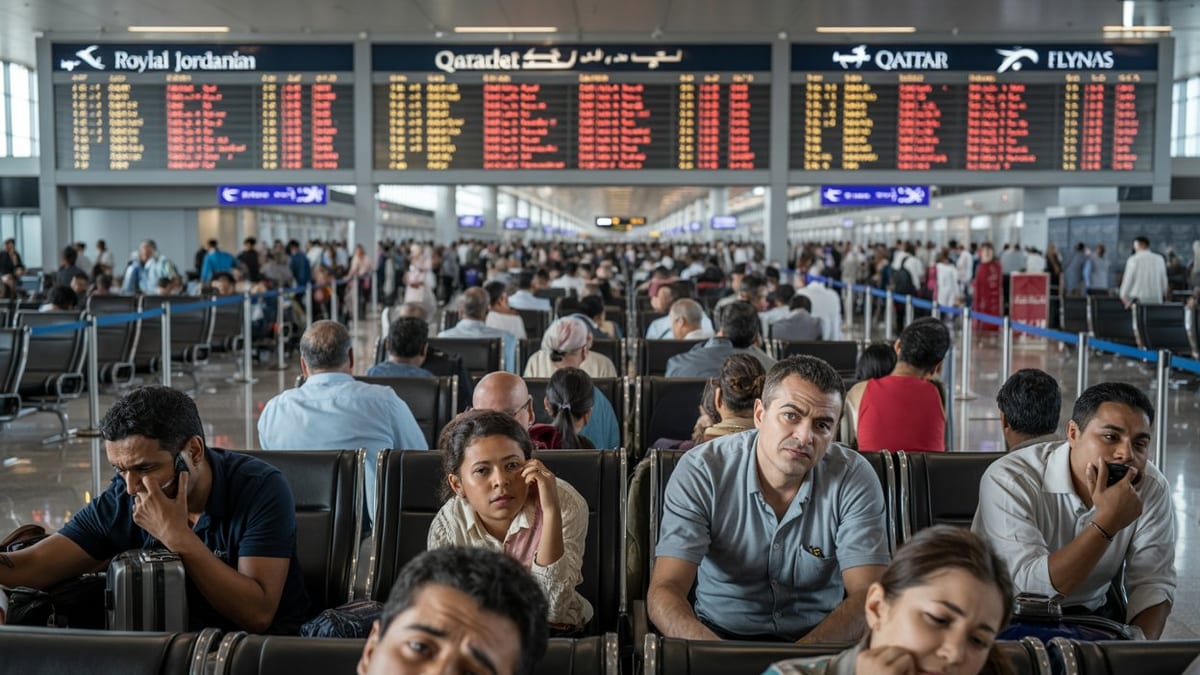
For travelers on April 7, the practical impact of nine cancellations and dozens of delays at Vancouver translated into long queues at check-in desks, crowded departure areas and pressure on airline customer service channels. Passengers facing missed connections to the United States, India, China, Germany and Fiji in many cases had to be rebooked through alternative hubs or shifted to flights departing a day later.
Travel forums and social media posts in recent months have frequently described the strain that widespread cancellations and delays place on rebooking systems, particularly when they affect popular long-haul routes. With limited empty seats on peak-day departures, some travelers at Vancouver may have encountered extended hold times to reach call centers and a shortage of immediate alternative options.
Publicly available guidance from airlines and travel organizations continues to emphasize the importance of checking flight status before leaving for the airport, particularly during periods of unsettled weather or heightened operational strain. Travelers are also being encouraged to allow generous connection times at hubs such as Vancouver, Toronto and major U.S. gateways when linking to long-haul flights, reducing the risk that a modest delay on a feeder leg will upend an entire trip.
Industry observers note that while the absolute number of disrupted flights on April 7 at Vancouver was limited compared with some past storms or large-scale system outages, the concentration on key international routes made the event especially disruptive for those affected. For passengers attempting to reach family, business meetings or connecting cruises across the Pacific and Atlantic, even a single missed departure can translate into significant additional cost and lost time.
Broader Pressures on Canada’s Gateway Airports
The challenges at Vancouver International Airport are unfolding at a time when Canada’s major hubs are handling strong demand for both domestic and international travel. Recent traffic updates from Canadian airport authorities have pointed to rising passenger volumes on transpacific and transborder routes, even as some airlines tweak networks in response to shifting demand patterns and cost pressures.
Analysts surveying national data on recent disruption days in Canada describe a system that is broadly resilient but increasingly exposed to weather surprises and operational bottlenecks. When multiple hubs, including Toronto, Montreal and Vancouver, experience constraints on the same day, the pool of spare aircraft and crews able to absorb irregular operations quickly shrinks.
For Vancouver specifically, its role as a west coast gateway to Asia and the South Pacific means that even localized issues can have an outsized effect on global passenger flows. Disruptions affecting services to India, China, Germany and Fiji can interfere with cargo movements, tourism flows and business travel across multiple continents, underlining the importance of robust contingency planning among airlines and airport stakeholders.
As the busy spring and summer travel seasons approach, publicly available commentary from aviation experts suggests that travelers using Vancouver and other major Canadian hubs may continue to see periodic pockets of disruption. The events of April 7 serve as another reminder that in an interconnected global network, a relatively small cluster of cancellations and delays at a single airport can reverberate far beyond the departures board.