

More news on this day
A Virgin Australia flight operating between Brisbane and Melbourne declared an in-flight emergency after a vape device reportedly ignited in the cabin, triggering smoke, a small fire and an emergency response into Melbourne Airport.
Get the latest news straight to your inbox!
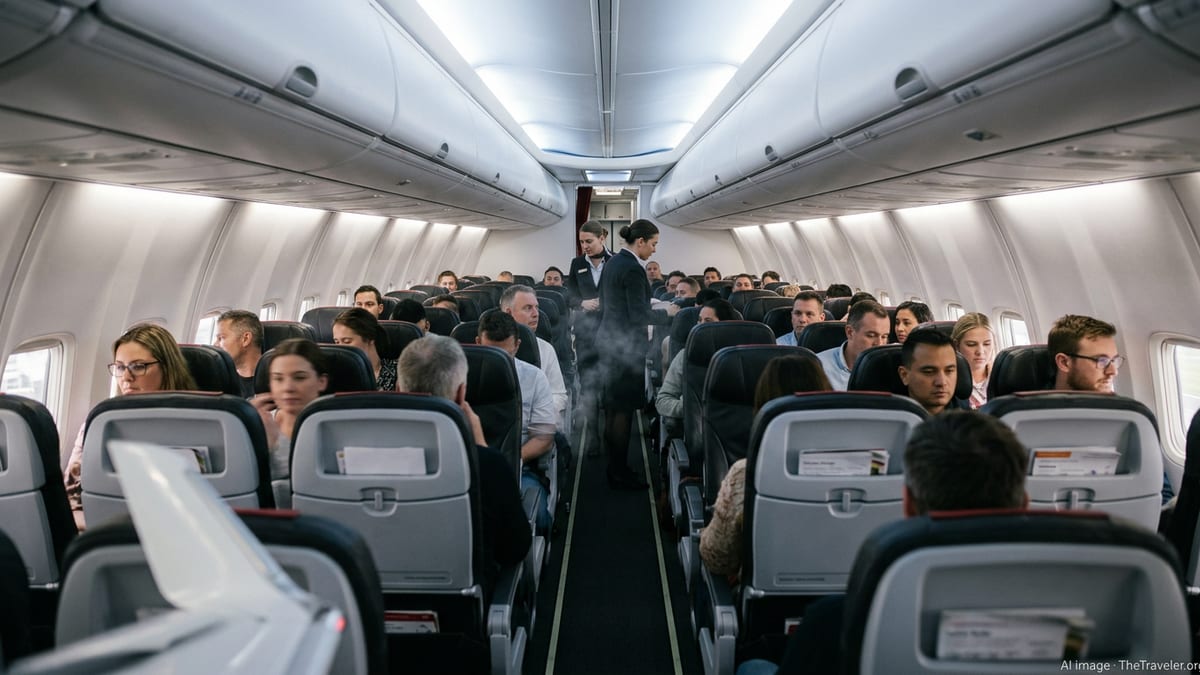
Cabin Incident Leads to Emergency Alert
Published coverage indicates the incident occurred on a Brisbane to Melbourne service over the weekend, when a vape device in the passenger cabin ignited and produced smoke. Initial accounts shared publicly by passengers describe a brief but alarming episode, with cabin crew moving quickly to contain the situation.
Reports suggest the crew were able to extinguish the small fire soon after it was noticed, limiting damage and allowing the aircraft to continue toward Melbourne. Despite the fire being brought under control, the situation met the threshold for a formal in-flight emergency declaration.
According to aviation tracking data and passenger reports, the flight crew issued a “PAN” call, an internationally recognised urgency signal that indicates a serious situation requiring priority handling from air traffic control, but not an imminent threat to the aircraft’s ability to continue flying.
The declaration ensured that the aircraft received expedited handling and that emergency services were placed on heightened readiness as the flight approached Melbourne.
Emergency Response at Melbourne Airport
Publicly available information on the event indicates that Melbourne Airport activated standard emergency protocols, with fire and rescue teams placed on standby as the Virgin Australia aircraft neared the city. Passengers on other flights arriving into Melbourne reported being placed into holding patterns while priority landing was arranged for the affected service.
Ground reports describe a visible emergency services presence positioned alongside the runway as the flight landed. The aircraft is understood to have touched down safely, with no major injuries reported among passengers or crew.
Following arrival, the aircraft was met by specialist airport firefighting crews and other response teams, in line with established procedures for declared in-flight emergencies. Passengers were later able to disembark, with some subsequently sharing accounts of the incident and its aftermath on social media and online forums.
There has been no indication in public reporting that the incident led to lasting disruption to airport operations beyond short holding delays for inbound flights during the response phase.
Safety Focus on Lithium Batteries and Vaping Devices
The episode has renewed attention on the risks associated with lithium battery-powered devices in aircraft cabins, including vaping products, phones, power banks and laptops. Australian civil aviation guidelines, in line with international standards, require that most battery-powered personal electronics be carried in the cabin rather than checked in, precisely so that any malfunction, smoke or fire can be quickly detected and managed by crew.
Vape devices and e-cigarettes are generally permitted only in carry-on baggage on Australian carriers, and their use on board is prohibited. Guidance published by aviation regulators stresses that such devices should be protected from accidental activation, including by using safety caps, switching them fully off and storing them so that the power button cannot be pressed inadvertently.
In previous years, Australian airlines have highlighted several incidents involving overheating batteries, prompting carriers to reinforce pre-flight safety announcements and update onboard procedures. Some operators have introduced or signalled tighter policies around the use of portable power banks and other high-capacity lithium battery units as part of a broader risk-management approach.
While most lithium battery devices are carried and used on aircraft without incident, aviation safety specialists note that even isolated failures can be serious in the confined, pressurised environment of an airliner cabin, underscoring the importance of rigorous safety protocols.
Passenger Experience and Operational Impact
Accounts posted online by travellers suggest that the incident was sudden, with passengers near the source of the fire initially noticing smoke and commotion, followed by a rapid response from crew members. Once the situation was contained, the flight reportedly continued under heightened monitoring, with some passengers describing a tense but orderly atmosphere until landing.
Other travellers arriving into Melbourne reported that their flights entered holding patterns as air traffic controllers prioritised the Virgin Australia service that had declared the emergency. While this resulted in minor delays, publicly shared flight-tracking data shows that broader disruption to the schedule remained limited.
For Virgin Australia, the incident adds to ongoing operational challenges facing airlines more broadly, including high travel demand, complex scheduling and the need to maintain strict safety standards while managing large numbers of flights each day. The carrier, like others in the region, continues to operate under robust regulatory oversight focused on safety and incident reporting.
As investigations into the precise circumstances of the vape ignition continue, the event is likely to be examined in detail by airline safety teams, with any findings potentially feeding into updated guidance for both passengers and crew.
What Travellers Should Know About Devices on Board
The incident serves as a timely reminder for travellers flying within and beyond Australia to review airline rules on electronic devices and vaping products. Most carriers require vape devices and spare lithium batteries to be kept in cabin baggage, switched fully off and stored to prevent accidental activation, with clear bans on using or charging such devices during the flight.
Passengers are typically advised to immediately alert cabin crew if they notice smoke, unusual heat, a strange odour or visible damage coming from any electronic device. Crews are trained in the use of fire containment equipment and specific procedures for battery-related incidents, including cooling and monitoring affected devices.
Travel industry observers note that as portable electronic devices become more common and more powerful, aviation safety systems and regulations are evolving in parallel. For travellers, staying informed about airline and regulator guidance, and following cabin crew instructions, remains a critical part of maintaining safety at 30,000 feet.
With domestic routes such as Brisbane to Melbourne among the busiest corridors in Australia, the event is likely to influence ongoing discussions about passenger awareness campaigns and the handling of personal electronic devices and vaping products on board commercial flights.