

More news on this day
A Virgin Australia flight from Brisbane to Melbourne was evacuated at Melbourne Airport after a vape device reportedly caught fire in the cabin, triggering an in-flight emergency alert and a large-scale response on the ground.
Get the latest news straight to your inbox!
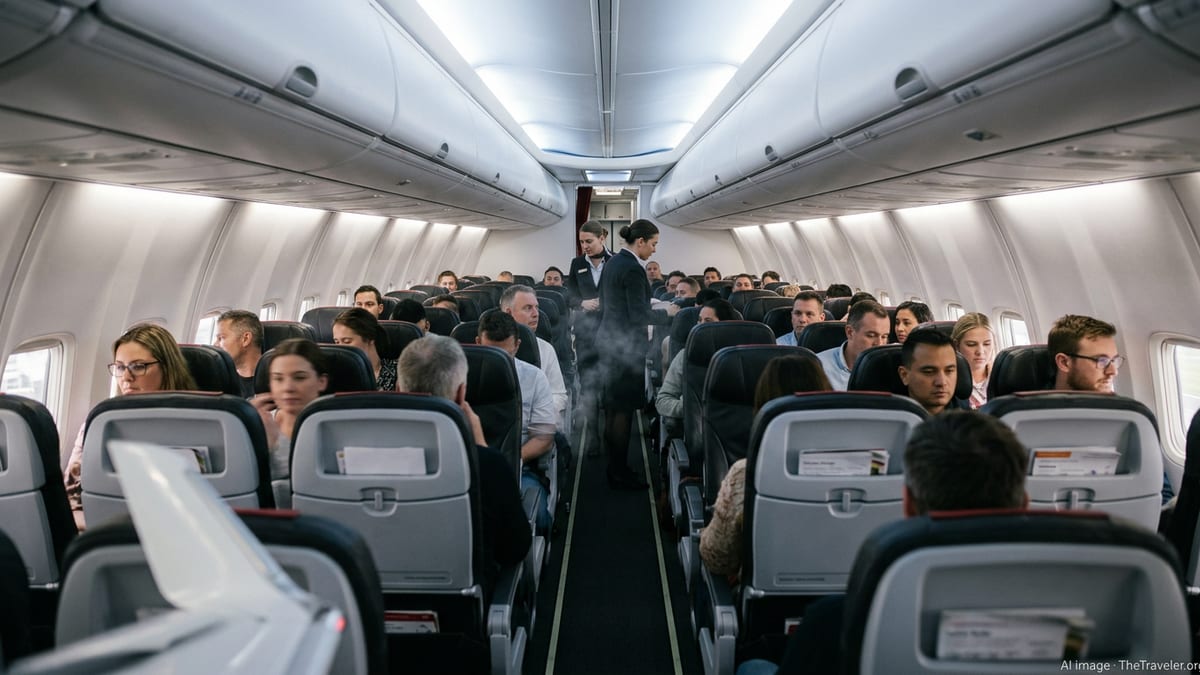
Emergency Alert and Evacuation at Melbourne Airport
Publicly available accounts indicate the incident occurred on a Virgin Australia domestic service operating from Brisbane to Melbourne, when a vape device ignited during the flight and caused a small fire inside the cabin. Passengers reported seeing flames and smoke before cabin crew intervened and the situation was brought under control.
According to multiple reports shared online, the cockpit issued a PAN alert, a formal aviation signal that indicates an urgent situation requiring assistance but not an imminent risk of the aircraft being lost. The alert prompted Melbourne Airport to initiate its emergency procedures, with fire and rescue crews positioned to meet the aircraft on arrival.
Once the aircraft landed in Melbourne, passengers were evacuated so emergency services could inspect the cabin and ensure there was no ongoing fire risk. Travellers on nearby services described delays and holding patterns as air traffic control temporarily prioritised the Virgin Australia flight and managed the flow of arriving aircraft.
There were no immediate indications of serious injury, but reports describe a visibly distressed cabin following the fire and subsequent landing. The aircraft was taken out of service so that its interior could be checked and any damage assessed.
What Is Known About the Vape Device Fire
Early descriptions circulating on social media suggest the fire originated from a vape or electronic cigarette device in the passenger cabin, although detailed technical information about the device has not yet been published. Lithium-ion batteries, which power most vaping devices, can enter a failure mode known as thermal runaway, where internal damage or a short circuit leads to rapid overheating and, in some cases, fire.
In similar cases documented by aviation safety investigators, fires involving small personal devices have started either in passengers’ hands, in seat pockets or in carry-on bags. In those incidents, quick action by crew using water or fire extinguishers has typically prevented flames from spreading, but the presence of smoke and the confined nature of an aircraft cabin can still cause alarm.
The latest Virgin Australia incident aligns with a broader pattern of battery-related events in commercial aviation. Safety reports and prior coverage have highlighted incidents in which other lithium-powered devices, such as power banks, have ignited in overhead lockers or seating areas, forcing diversions, emergency landings or post-flight evacuations.
A formal technical investigation is expected to confirm how the vape device was being used or stored at the time of the fire and whether factors such as damage, counterfeit components or charging practices may have contributed to the battery failure.
Virgin Australia Rules on Vaping and Battery-Powered Devices
Virgin Australia’s publicly available conditions of carriage and onboard safety information state that smoking, vaping and the use of electronic cigarettes are prohibited on all flights. The airline also provides guidance on the carriage of lithium-ion batteries, generally requiring devices and spare batteries to be transported in the cabin rather than checked baggage, with protections to prevent accidental activation or short circuits.
In recent years, Virgin Australia and other carriers have tightened rules on portable electronic devices following a series of international incidents. Some policies restrict the storage of high-capacity power banks in overhead lockers and encourage passengers to keep such items within sight and easy reach so any signs of overheating can be detected early.
The reported vape fire on the Brisbane to Melbourne service is likely to draw renewed attention to how passengers carry and use battery-powered devices on domestic routes. Airlines routinely brief travellers on the need to alert crew immediately if a personal device is lost in a seat mechanism, becomes hot, emits smoke or shows signs of swelling.
While no airline can fully control what passengers bring on board, operators increasingly rely on a combination of pre-flight information, cabin announcements and crew training to reduce the risk posed by lithium-ion batteries and to respond quickly if a problem arises.
Impact on Passengers and Operations
Travellers on the affected flight have described a tense period between the first signs of fire and the arrival at Melbourne, followed by an orderly but unexpected evacuation once the aircraft reached the gate or a designated parking position. The evacuation allowed emergency personnel to verify that the cabin was safe and that no secondary ignition risk remained.
Reports from passengers on other services indicate that the incident caused some knock-on disruption at Melbourne Airport, with at least one nearby flight placed in a holding pattern while the emergency response unfolded. That is consistent with standard airport procedures, which prioritise aircraft declaring an urgent situation and may temporarily pause or resequence other arrivals and departures.
For affected travellers, such events can lead to missed connections, extended time on the tarmac or delays in retrieving baggage while safety checks are completed. Airlines typically rebook passengers where necessary and work to return schedules to normal after emergency operations conclude.
Despite the inconvenience, aviation data over many years shows that in-flight fires involving small personal devices remain relatively rare, and successful outcomes are common when crew members are trained and equipment is available to manage smoke and flames in the cabin.
Rising Scrutiny of Vapes and Lithium Batteries in Air Travel
The incident on the Virgin Australia Brisbane to Melbourne route comes amid growing scrutiny of vaping devices and other lithium-powered products in transport settings. Governments and regulators in Australia and overseas have increased controls on the sale and importation of certain vapes, while aviation regulators have issued repeated warnings about the fire risks linked to lithium cells.
Industry guidance emphasises that properly manufactured and handled batteries are generally safe, but cheap or unregulated devices can pose a higher risk of failure. Damage from drops, exposure to heat, the use of incompatible chargers or modifications to hardware can all increase the likelihood of overheating.
For air travellers, current recommendations include carrying vapes and spare batteries in cabin bags, preventing any metal objects from touching exposed terminals, avoiding charging during the flight unless permitted at dedicated outlets and immediately notifying crew if a device behaves abnormally. Many airlines also remind passengers that using or charging vapes on board is not allowed, even when the devices themselves are permitted in hand luggage.
The latest evacuation in Melbourne is expected to contribute to ongoing discussions among airlines, airports and regulators about whether further restrictions, clearer labelling or enhanced passenger education are needed to mitigate the risks posed by vaping devices and other lithium-powered electronics at altitude.