

More news on this day
Spring break traffic and tight national airline schedules converged on Las Vegas on April 11, as more than 250 flights were delayed at Harry Reid International Airport, leaving passengers facing long waits and missed connections across the United States.
Get the latest news straight to your inbox!
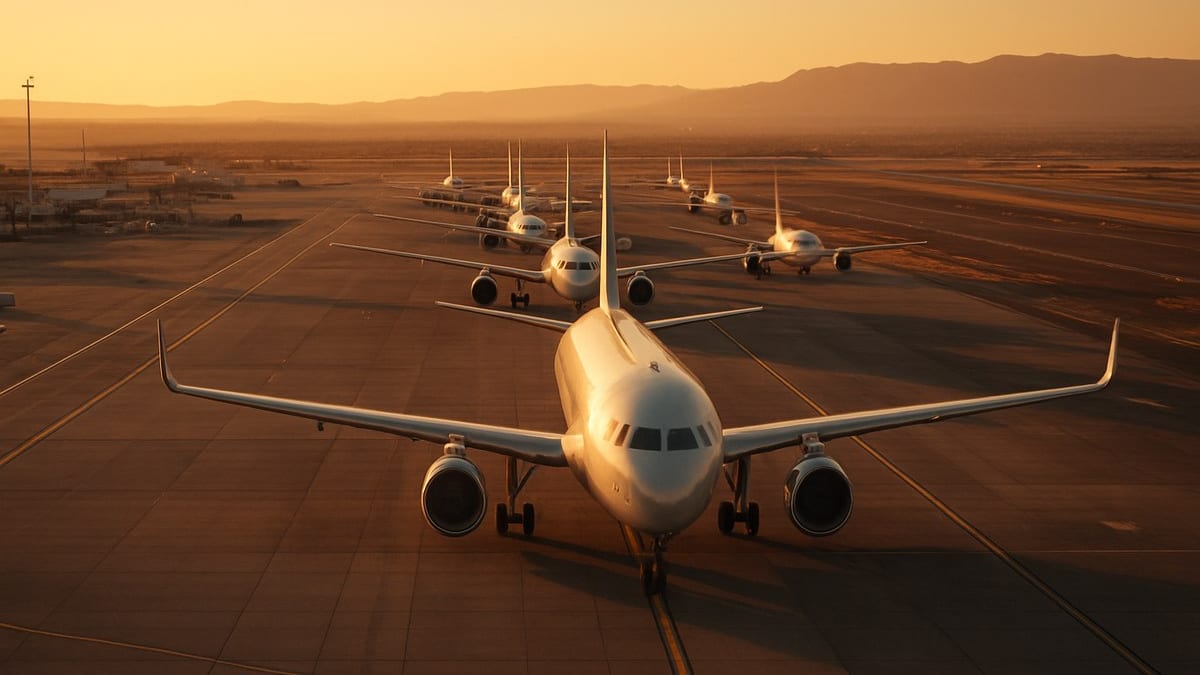
Heavy Delay Day at Las Vegas’ Main Hub
Publicly available data from flight tracking services on April 11 indicated that Harry Reid International Airport recorded at least 251 delayed arrivals and departures and a small number of cancellations, putting Las Vegas among the country’s most heavily affected airports for schedule disruptions that day.
The elevated delay count at the airport, which serves as the primary gateway for the Las Vegas Strip and surrounding resorts, was notable even against a backdrop of frequent nationwide disruptions in early 2026. Reports describe rolling hold times on the ground, aircraft arriving late from previous legs and crews reaching duty limits, all of which contributed to the backlog.
By midday, passengers traveling on major U.S. carriers found departure boards stacked with orange and red time changes. While only a handful of flights were fully canceled, the volume of delayed services meant that missed connections in other hubs and late-night arrivals quickly compounded the impact beyond Nevada.
Operations at Harry Reid remained ongoing throughout the day, but the pattern of mounting delays reflected how quickly a busy leisure gateway can become congested when incoming aircraft and staff are out of position, even without a single dramatic shutdown event.
Clear Skies but Tight Operations Behind the Backlog
Weather forecasts for the Las Vegas Valley on April 11 pointed to generally clear skies and moderate winds, a contrast to the dust storms and strong gusts that have triggered ground delays at Harry Reid International in previous years. With no major local storm system centered over the airport, analysts have pointed instead to operational and network factors behind the latest disruption.
Industry coverage in recent days has highlighted how tight airline schedules, high spring demand and lingering knock-on effects from earlier weather events in other regions can combine to slow traffic at multiple hubs at once. In this case, delayed aircraft inbound from other parts of the United States appeared to play a significant role in cascading timetable changes in Las Vegas.
National aviation commentary has also underscored that, as airlines push to maximize aircraft utilization, there is often limited slack in the system when even modest irregularities develop. A late arrival into Las Vegas can ripple into late departures for the rest of the day, particularly on popular routes to cities such as Los Angeles, Denver, Chicago and New York.
Publicly accessible federal airport status dashboards did not show a sustained formal ground stop at Harry Reid on April 11, suggesting that the disruption emerged from a combination of shorter flow-control measures, sequencing constraints and resource pressures rather than a single directive halting all movements.
Passengers Confront Long Waits and Missed Plans
Travel and aviation reports from April 11 described scenes familiar to many U.S. air travelers in recent years. At Harry Reid International, travelers waiting to depart Las Vegas faced extended time at the gate, onboard holds before takeoff and frequent boarding-time revisions as crews and aircraft were repositioned.
Those connecting through Las Vegas encountered particular difficulties, with even modest schedule changes pushing some itineraries below the safe minimum connection time. Missed onward flights translated into unexpected overnight stays, rerouting through alternative hubs and, in some cases, the loss of pre-booked ground arrangements at final destinations.
Consumer-rights organizations and travel platforms continue to advise passengers caught in such disruptions to document delay durations carefully, stay in close contact with airlines through mobile apps and remain attentive to rebooking options that may appear hours before an original departure time. While compensation rules in the United States are limited, carriers are generally expected to provide rebooking and, in some situations, meal vouchers or hotel stays.
For Las Vegas-bound visitors who were still able to complete their journeys on April 11, the effect was often a sharply compressed arrival schedule. Late-night landings narrowed the window for check-in, show reservations and other time-sensitive plans that draw millions of travelers to the city each year.
Part of a Wider Pattern of U.S. Airport Disruptions
The heavy delay load at Harry Reid on April 11 formed part of a broader pattern of turbulence in the U.S. aviation network this spring. In the days leading up to the Las Vegas disruption, national statistics showed thousands of delayed flights across major hubs, with weather systems, crew availability and air traffic control capacity repeatedly cited as key pressure points.
Other airports, including major hubs in Phoenix and Newark, also reported triple-digit delay counts in early April, underscoring how a single day of unstable operations can affect passengers across multiple regions. When one hub experiences rolling delays, aircraft and crews may arrive late into the next, creating a chain of setbacks that can take days to fully resolve.
Analysts note that Las Vegas has particular sensitivity to these network-wide factors because of its role as both a leisure destination and a connecting point. High concentrations of peak-time departures, combined with strong weekend and event-driven demand, mean that there is little spare capacity if multiple flights arrive out of sequence or depart behind schedule.
Observers also point out that Harry Reid’s traffic patterns can be affected by conditions well beyond Nevada. Spring storm systems over the central and eastern United States, for example, can force reroutes and airborne holding that ultimately translate into late arrivals in Las Vegas long after local weather has improved.
What Travelers Can Do Ahead of Busy Spring Weekends
The April 11 disruption serves as a timely reminder for travelers heading to or through Las Vegas during peak periods. Travel advisory sites continue to recommend arriving at the airport earlier than usual, particularly for morning departures at the start of popular weekends, to allow for longer security lines and potential gate changes.
Experts in air travel planning suggest favoring flights earlier in the day, which historically have better on-time records than evening services. Building in longer connection windows, especially when traveling through congestion-prone hubs, can provide a buffer if the type of rolling delays seen at Harry Reid reappear later in the season.
Passengers are also encouraged to monitor flight status frequently using airline apps or text alerts, as same-day schedule adjustments can occur rapidly when operations are strained. Carry-on essentials, such as medications, chargers and a change of clothes, remain important in case checked bags arrive later than passengers on disrupted itineraries.
For Las Vegas itself, the April 11 episode highlights how crucial resilient air links are to the city’s tourism-driven economy. As airlines, airport operators and federal agencies continue efforts to streamline operations ahead of the busy summer period, travelers can expect further emphasis on real-time communication and contingency planning when heavy-delay days like this one strike again.