

More news on this day
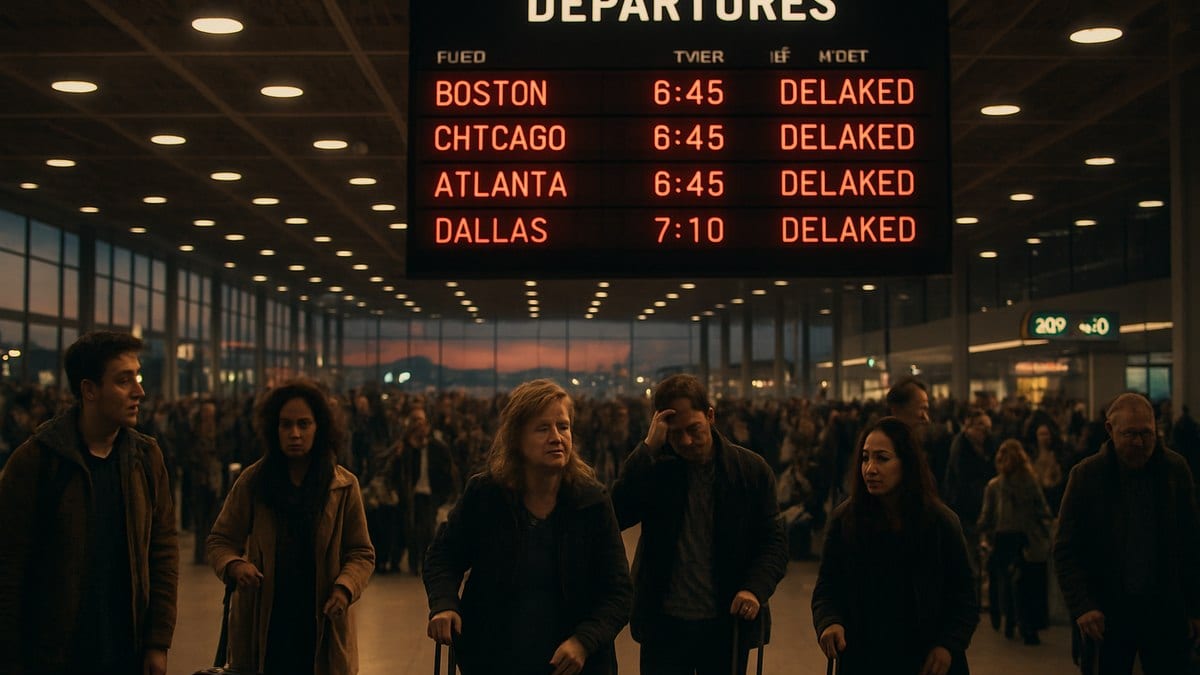
Hundreds of passengers were left sleeping in terminal chairs and crowding rebooking counters at Las Vegas’s Harry Reid International Airport this week, as a new burst of April flight disruptions compounded an already turbulent spring for U.S. air travel.
Get the latest news straight to your inbox!
Fresh Disruptions Add to a Turbulent April at LAS
Publicly available flight-tracking dashboards and industry reports for April 2026 show that Harry Reid International Airport has faced several clusters of heavy disruption in recent days, with April 5 and April 11 standing out for particularly high volumes of delayed and canceled flights. Figures compiled from those tools indicate that on April 11 alone more than 250 flights departing or arriving in Las Vegas were delayed, with additional cancellations forcing passengers onto later departures or overnight stays.
The latest bout of disruption follows earlier April incidents at Harry Reid in which more than 120 flights were delayed and multiple services were canceled, leaving “hundreds” of travelers stuck in the terminal according to published coverage from travel industry outlets. Those reports describe scenes of long rebooking lines, packed gate areas and travelers scrambling to adjust hotel reservations and onward connections as aircraft and crews fell out of position.
Las Vegas has not been alone in experiencing turbulence this month. Data compiled by air passenger rights organizations and travel news sites shows that the April 9 nationwide disruption wave affected more than 3,000 flights across major hubs including Atlanta, Denver, Houston and Phoenix, with Harry Reid listed among the worst bottlenecks. For many travelers, that broader pattern translated into missed connections in Las Vegas and compounded delays even on flights that technically departed the city on time.
Flight-status boards at Harry Reid on the busiest days have reflected this cascading effect, with strings of departures marked late and arrival banks pushed back by 30 minutes or more. While security wait times have generally remained manageable, the combination of full spring leisure demand and rolling schedule changes has turned portions of the terminal into makeshift waiting rooms for travelers uncertain when they would finally depart.
Causes Range From Weather Elsewhere to Network Strain
Publicly available information from aviation agencies and flight-data providers indicates that the April disruptions affecting Harry Reid are tied less to a single local incident and more to broader network strain. Spring weather patterns in other parts of the United States, including storms around key connecting hubs, have triggered ground delays and reroutes that ripple into Las Vegas schedules even when skies above the desert remain largely clear.
Air travel analysts note in recent commentary that airlines are still operating near peak capacity at popular leisure destinations such as Las Vegas, which can leave limited slack in the system when inbound aircraft are delayed. When a jet arrives late from another congested airport, the knock-on effect can push back multiple departures from Harry Reid, particularly on routes operated only a few times per day.
Operational bottlenecks elsewhere in the system, such as temporary air traffic control slowdowns or congested taxiways at other major airports, have also been flagged in April as contributors to increased national delay totals. Although official breakdowns of causes by flight are not typically published in real time, the pattern of late arrivals feeding into late departures in Las Vegas aligns with the nationwide surge in delays reported by travel risk and passenger-rights organizations.
At the same time, Las Vegas continues to draw strong visitor numbers, particularly around weekends, events and convention dates. Airport traffic reports for recent years show Harry Reid handling tens of millions of passengers annually, and early 2026 trends suggest that demand remains robust. Against that backdrop, even a modest disruption day can leave hundreds of people without immediate flight options when aircraft are out of place or crew duty-time limits are reached.
Impact on Travelers: Missed Connections and Overnight Stays
For passengers, the April flight chaos at Harry Reid has translated into missed connections, last-minute hotel searches and extended stays in a city many had planned to leave hours earlier. Travel news coverage describing this week’s disruption highlights travelers queueing for rebooking assistance as airlines worked through backlogs of delayed and canceled services affecting domestic routes to Los Angeles, Denver, Chicago and New York, as well as select international links including Toronto.
Because Las Vegas serves both as a destination and as a connecting point on some networks, disruption at Harry Reid has affected travelers heading to and from other parts of the United States and Canada. When an inbound flight lands significantly late, passengers with tight connections often miss onward services and must be rebooked, increasing pressure on already busy later departures and straining available seats.
Accommodation has been another pressure point. Travel-industry commentary about recent disruption days notes that hotels near the Strip and the airport can be heavily booked during peak periods, making last-minute rooms for stranded travelers more expensive or difficult to secure. Some visitors have opted to stay in the terminal rather than incur extra lodging costs, contributing to the images of crowded concourses and people attempting to sleep in departure halls.
The financial and emotional toll on passengers can be significant, particularly for those facing missed events, work obligations or international connections. Consumer advocates remind travelers that compensation rules vary by airline and by whether a delay is considered within the carrier’s control. However, guidance from air-passenger support organizations generally encourages affected travelers to keep documentation of delays, boarding passes and receipts for extra expenses in case reimbursement options are available under airline policies or credit card protections.
What Passengers Can Do if Caught in the Chaos
As Las Vegas continues to experience intermittent disruption during a busy spring travel season, passenger-rights groups and travel advisers are emphasizing preparation and flexibility. Recommendations in recent guidance include building extra connection time into itineraries that route through busy hubs such as Las Vegas, especially when traveling during weekends, holidays or major events that drive up demand.
Travel planning resources suggest that passengers monitor flight status on both airline apps and independent tracking sites, as these tools can sometimes flag developing problems before departure boards update in the terminal. For those already at Harry Reid, the airport’s information screens and public messaging provide updates on gate changes and boarding times, while airline mobile apps can be used to request alternative routing or same-day changes without joining long customer-service lines.
Industry sources also underscore the importance of understanding basic passenger rights. In the United States, airlines are generally required to provide refunds if a flight is canceled and the passenger decides not to travel, and some carriers offer meal vouchers or hotel accommodations in cases where disruption is within their control. Travel-insurance policies, where purchased, may cover additional costs such as overnight stays or missed tours, subject to their specific terms.
For travelers departing Las Vegas, arriving early continues to be advised, even on days when security wait times appear moderate. With Harry Reid now promoting tools to share estimated checkpoint waits, passengers can factor screening into their plans while still allowing buffer time in case check-in lines or bag-drop counters become busier than expected.
Las Vegas as a Barometer of Wider U.S. Air Travel Strain
The April chaos at Harry Reid has positioned Las Vegas as a visible example of the strain affecting U.S. air travel networks this spring. Data-driven reports from travel outlets describe nationwide spikes in delays that cut across multiple airlines and hubs, pointing to a mix of weather, operational complexity and high seasonal demand rather than a single carrier or airport-specific issue.
Analysts quoted in recent coverage frame Las Vegas as a bellwether for how leisure-focused hubs handle disruption in an era of tight capacity. With passenger volumes rebounding from earlier pandemic lows and airlines fine-tuning route networks into 2026, a hub like Harry Reid shows how quickly schedules can unravel when several factors converge, even on days without headline-grabbing storms or technical failures.
For the broader tourism economy in southern Nevada, consistent air connectivity is crucial. Visitor spending on hotels, casinos, restaurants and entertainment depends heavily on reliable access, and prolonged or repeated disruption could weigh on traveler sentiment. While there is currently no indication that the April incidents have significantly dampened demand, they serve as a reminder that transportation reliability is a key piece of the Las Vegas value proposition.
As airlines and airport operators move deeper into the 2026 travel season, observers will be watching Harry Reid and other major hubs for signs that recent lessons are prompting schedule adjustments, staffing changes or infrastructure upgrades designed to better absorb shock events. For now, travelers heading through Las Vegas in April are advised to stay informed, build in extra time and be prepared for a journey that may not run exactly on schedule.