

More news on this day
Vietnam’s largest airlines are tightening flight schedules and increasing ticket prices amid a sharp rise in global jet fuel costs, creating fresh uncertainty for travelers planning trips in and out of the country in 2026.
Get the latest news straight to your inbox!
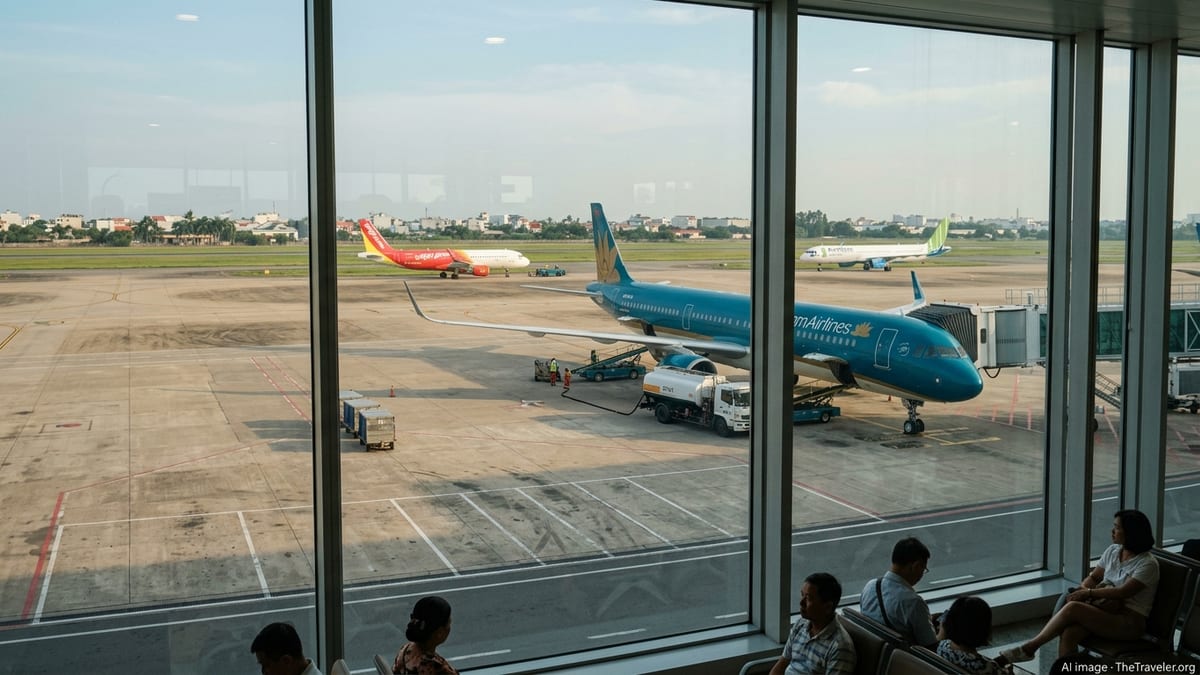
Fuel Shock Ripples Through Vietnam’s Aviation Market
A renewed spike in global oil prices linked to turmoil in the Middle East is pushing jet fuel costs sharply higher, and Vietnam’s carriers are feeling the strain. Publicly available information from transport authorities in Vietnam indicates that aviation fuel prices have risen faster than other fuel types this year, lifting operating costs across the sector.
For Vietnam Airlines, Vietjet and Bamboo Airways, fuel typically accounts for around 35 to 40 percent of total operating expenses. When fuel prices move suddenly, that proportion can climb even higher, particularly for airlines with thinner balance sheets or limited hedging options. Industry commentary across Southeast Asia suggests that budget carriers and smaller operators are among the most exposed in the current fuel crunch.
The result is a rapid shift from the growth-focused strategies that defined Vietnam’s post-pandemic recovery to a more defensive stance in early 2026. Capacity reductions, route pruning and tighter cost controls are becoming common as airlines attempt to preserve cash and protect margins while demand for both domestic and regional travel remains relatively strong.
Vietnamese regulators have floated a range of temporary relief measures to ease the pressure, including lower take-off, landing and air navigation charges and potential tax adjustments on transport fuel. These proposals are intended to slow the pass-through of higher fuel costs to consumers, but airlines are nonetheless adjusting prices and schedules as they navigate the present fuel shock.
Capacity Cuts and Thinner Networks on Key Routes
Travelers booking flights in and out of Vietnam are likely to notice leaner schedules, especially on routes that are fuel-intensive or have weaker demand. Regional analysis of Southeast Asian aviation trends points to a reduction of up to around 15 percent in flight frequencies on some routes as soaring fuel costs make marginal services uneconomical.
Vietnam Airlines, the country’s flag carrier, has already been operating in a challenging cost environment as it balances long-haul operations with dense domestic corridors such as Hanoi to Ho Chi Minh City. In the current fuel climate, industry coverage indicates the airline is weighing cuts to selected long-haul and lower-yield international routes and fine-tuning domestic frequencies during off-peak periods to reduce fuel burn.
Vietjet, Vietnam’s leading low-cost carrier, historically relies on high aircraft utilization and dense schedules to keep unit costs low. With fuel now a larger share of its cost base, the airline faces a tougher equation on marginal routes, particularly secondary domestic destinations and shorter cross-border flights where price-sensitive travelers are less willing to absorb fare increases. Analysts following the airline note that its fleet and route expansion plans for 2025 and 2026 are now being reassessed in light of higher operating costs.
Bamboo Airways, which has undergone restructuring and maintains a smaller fleet, is especially vulnerable to sudden cost spikes. Recent fleet data show it operating with a much leaner aircraft count than in previous years, and current fuel conditions make it harder to sustain lightly filled or longer routes. Travelers may see more consolidation of Bamboo’s network around core domestic and near-haul regional services as the airline pulls back from less profitable flying.
Higher Base Fares and New or Steeper Fuel Surcharges
While regulators in Vietnam maintain caps on domestic economy airfares, ticket prices within those bands are rising as carriers adjust to the fuel crisis. Previous episodes of airfare hikes, documented by the Civil Aviation Authority of Vietnam, were already attributed to higher global fuel costs, exchange rate moves and aircraft leasing expenses. The current run-up in jet fuel prices magnifies that pressure.
For passengers, this is appearing in two main ways. First, the underlying base fares on many domestic and regional routes are being nudged upward toward the upper end of regulated price ranges or dynamic pricing bands, especially around peak travel periods and on trunk routes like Hanoi to Ho Chi Minh City and services to major tourist hubs such as Da Nang and Nha Trang.
Second, airlines across Asia are increasingly relying on explicit fuel surcharges that sit on top of the base fare. While surcharge structures vary by carrier and route, published airline filings and regional press reports show a trend toward higher fuel surcharge tiers being activated as jet fuel benchmarks climb. Vietnam’s carriers are under similar pressure to use these tools where regulations allow, helping to recoup some of the additional cost without having to reprice entire fare structures overnight.
Ancillary charges are also drawing more scrutiny. Industry observers in the region note that airlines facing sharply higher fuel bills are reassessing baggage fees, seat selection charges and change penalties. Travelers flying with Vietnam Airlines, Vietjet or Bamboo Airways in 2026 may increasingly find that the lowest headline fares come with stricter conditions and higher add-on costs if plans change.
Government Support and Regulatory Levers in Play
The Vietnamese government, aware of the aviation sector’s importance to tourism, trade and regional connectivity, is moving to blunt the impact of fuel volatility. Recent proposals from transport and construction authorities include reductions in certain aviation-related service fees and recommendations to cut or temporarily reduce value-added tax on fuel used in transport.
According to publicly available policy documents, suggested measures cover areas such as a 50 percent reduction in aircraft take-off and landing charges and lower air navigation service fees. The objective is to ease airlines’ non-fuel cost burden so that the full effect of oil price spikes does not immediately translate into even steeper ticket prices or deeper capacity cuts.
Regulators are also exploring more flexible mechanisms for managing domestic airfares. Market commentary referencing recent proposals by Vietnam’s civil aviation regulator points to discussions about refining the price cap system and allowing more responsive adjustments to reflect fuel market realities while still protecting consumers from abrupt, extreme fare jumps.
However, these steps can only partially offset the surge in fuel expenses. Airlines still need to make commercial decisions on which routes to maintain, how intensively to use their fleets and where to deploy scarce capacity. The balance between government support and market dynamics will shape how Vietnam’s aviation sector weathers the current crisis through 2026.
What Travelers Should Do Now
For travelers, the combination of trimmed schedules and upward price pressure means that the old habits of last-minute booking and easy re-routing are less reliable in 2026. With some routes seeing reduced frequencies and certain off-peak flights dropped altogether, seats on remaining services can fill more quickly, particularly during weekends, holidays and major events.
Booking earlier is one of the clearest ways to manage both cost and choice. Purchasing tickets well ahead of peak travel periods improves the chances of securing lower fare buckets before dynamic pricing reacts to rising demand and fuel-driven cost increases. Travelers planning complex itineraries that link domestic Vietnamese flights with long-haul services should factor in extra buffer time and consider more flexible tickets where possible.
Monitoring schedule changes is equally important. Airlines across Vietnam continue to fine-tune their timetables as fuel markets evolve, which can result in departure time shifts, aircraft changes or occasional cancellations. Keeping contact details updated with airlines and checking itineraries regularly in the days leading up to departure can help travelers respond quickly if plans are disrupted.
Finally, travelers may want to compare multiple airports and carriers when planning trips. Vietnam’s expanding airport infrastructure in Hanoi, Ho Chi Minh City and key regional hubs offers options to route around particularly congested or expensive sectors. In a period of elevated fuel prices and shifting airline strategies, flexibility, early planning and careful attention to fare conditions are becoming central to navigating Vietnam’s skies.